Summer is supposed to feel effortless. Long days, outdoor cafés, scenic drives, swimming, slow breakfasts, evening walks and that feeling that you have finally escaped your routine. But visit the most popular destinations in July or August and the reality can look very different. Famous beaches are packed, hotel prices climb, attractions require advance reservations, and sometimes you spend more time standing in a queue than actually enjoying the place.
The good news is that you don't have to give up a beautiful summer vacation to avoid the crowds.
There are still destinations where you can find spectacular landscapes, charming towns, beautiful beaches and outdoor adventures without feeling as though half the world had the same itinerary. And "less crowded" doesn't necessarily mean completely unknown. In fact, I wouldn't recommend chasing places that are genuinely inaccessible or have almost no tourist infrastructure. A much better approach is to choose less-hyped destinations, alternative regions, or quieter counterparts to famous summer hotspots.
From Alpine lakes and volcanic islands to Baltic beaches and dramatic northern landscapes, these are some of the best summer destinations for travelers who want a slower, more peaceful trip.
What Makes a Good Less-Crowded Summer Destination?
Before getting into the destinations, there's an important distinction to make. A destination doesn't have to be undiscovered to be worth visiting. Some places described online as "hidden gems" are already extremely popular. Albania, for example, has seen a huge increase in tourism, while destinations such as Lake Bled and the Albanian Riviera can become busy during peak summer.
Instead, look for destinations that have one or more of these characteristics:
They are less famous than nearby tourist hotspots.
They have multiple areas to explore rather than one concentrated attraction.
They are spread out geographically.
They have cooler summer weather, which naturally limits mass beach tourism.
They have a strong local tourism culture but relatively little international hype.
You can visit the main attractions early in the morning and spend the rest of the day exploring quieter areas.
They are good alternatives to an overcrowded destination.
That last point is particularly useful. Instead of asking, "Where is the secret beach nobody knows about?", ask:
"Where can I get a similar experience without going to the most famous version of it?"
That's how you find much more realistic summer escapes.
1. Bohinj, Slovenia
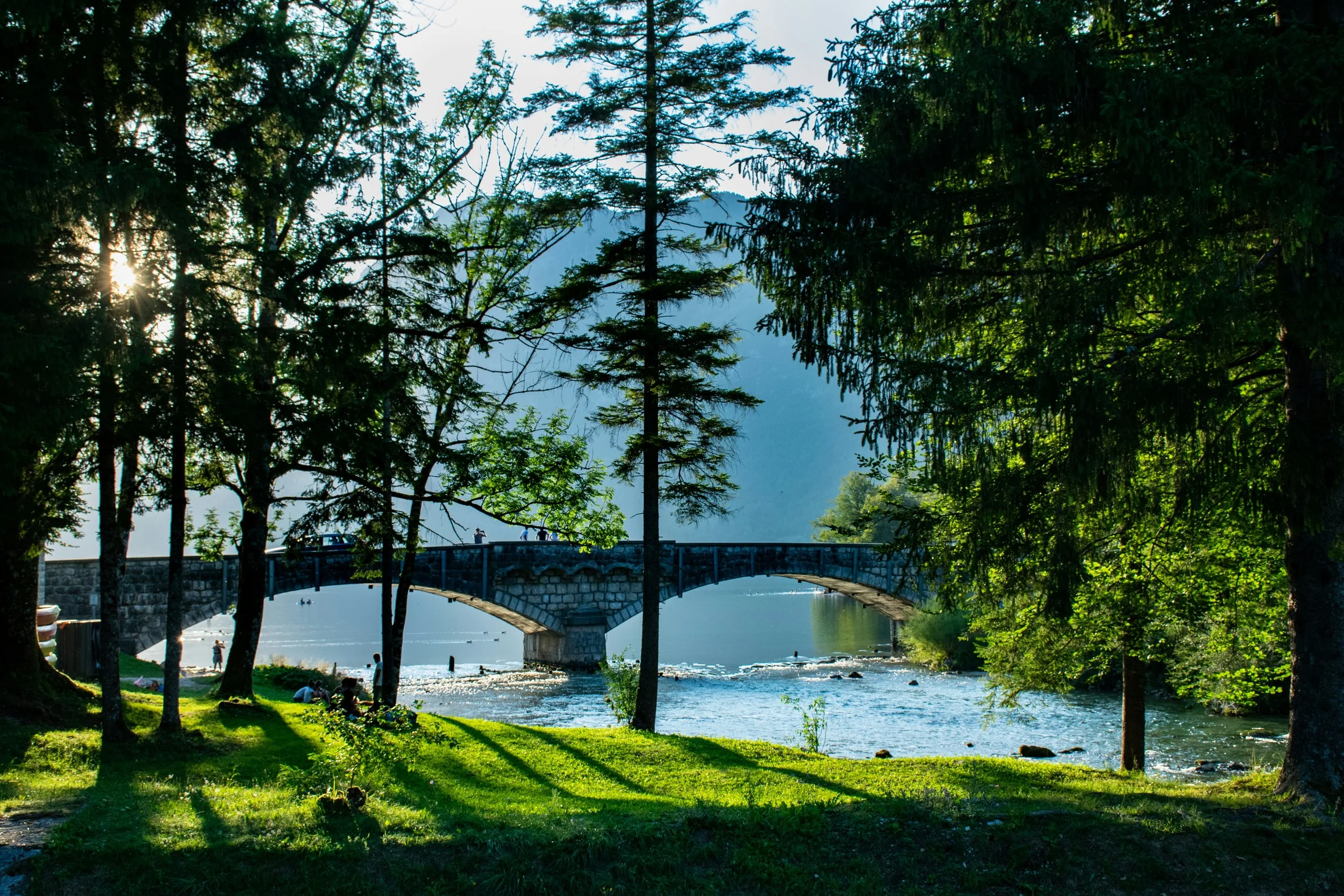
Best for: Alpine scenery, lakes, hiking and a peaceful nature escape
If your dream summer vacation involves a beautiful mountain lake but you don't want to spend your holiday surrounded by tour buses, Bohinj is one of the first places to consider.
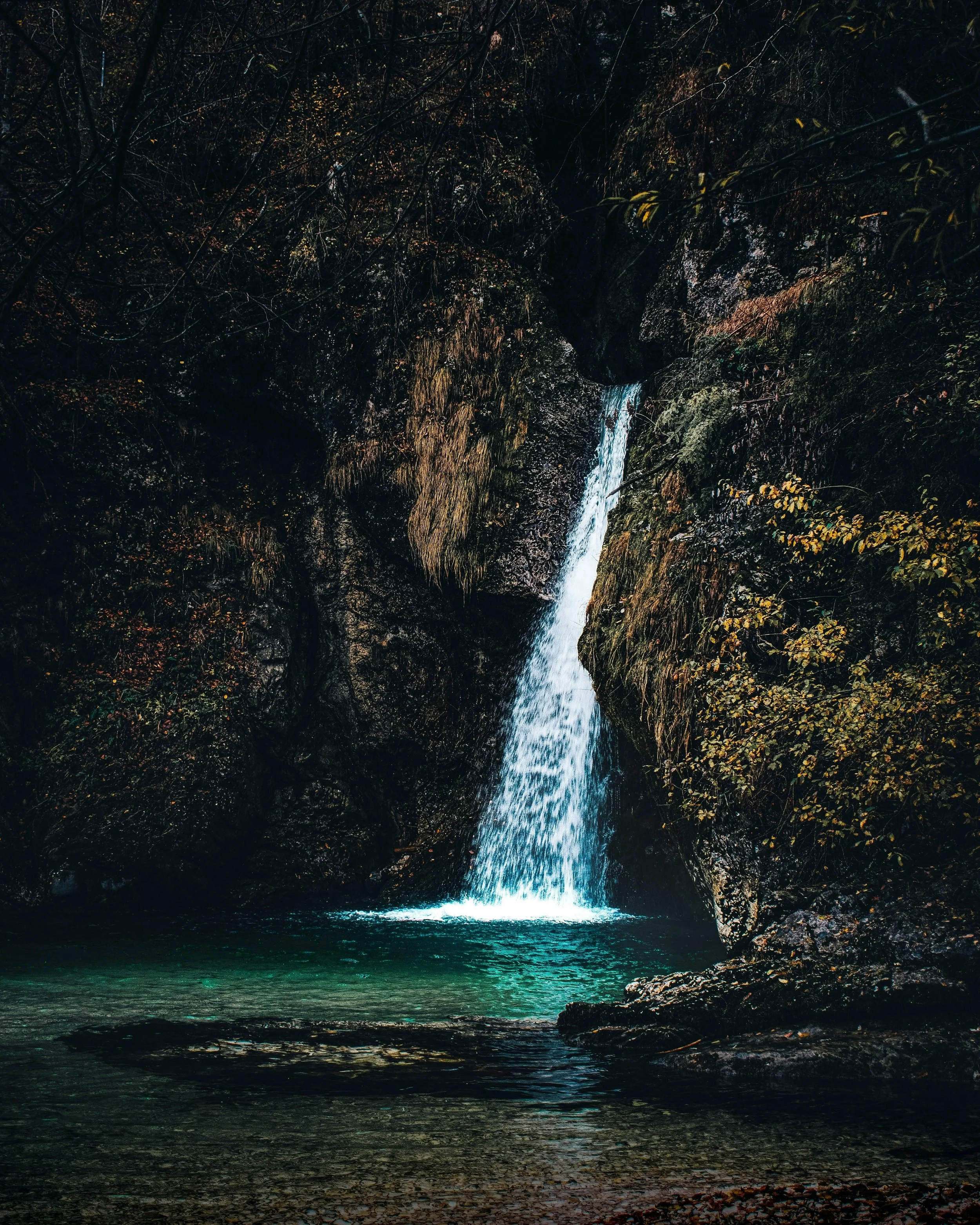
Slovenia is famous for Lake Bled, and understandably so. But Bled is considerably more touristy than nearby Bohinj. Bohinj sits inside Triglav National Park and offers the same kind of dramatic Alpine scenery while feeling much more connected to nature.
Lake Bohinj is surrounded by forested mountains, walking trails and traditional villages. The atmosphere is quieter and less polished than Bled, which is actually part of its charm.
What to do in Bohinj
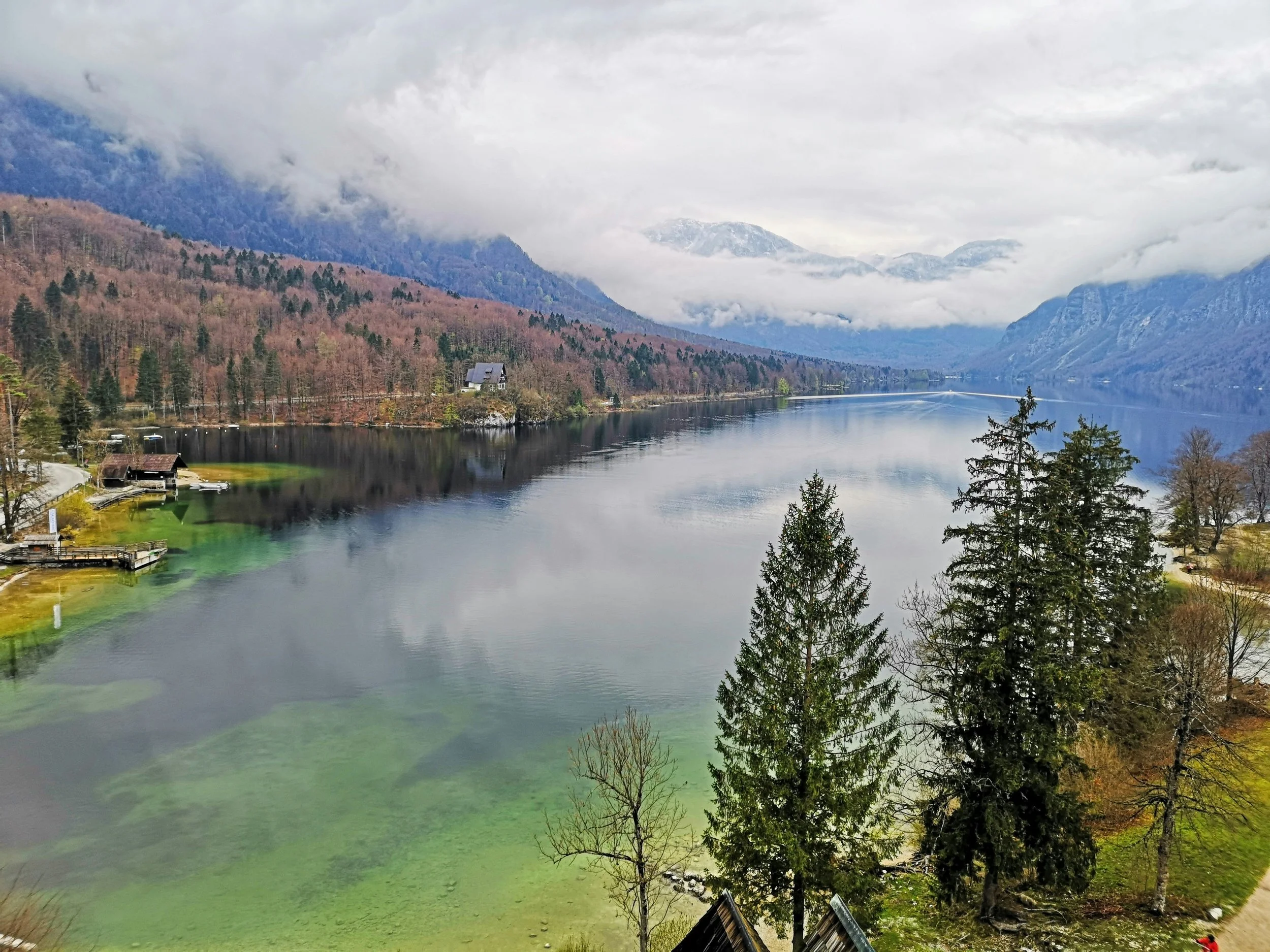
Start with Lake Bohinj itself.
You can walk along the lakeshore, rent a boat, swim during the warmer months or simply find a quiet spot and enjoy the scenery.
For panoramic views, take the Vogel cable car into the mountains. From above, you get spectacular views over the Julian Alps and the lake.
You can also explore:
Savica Waterfall
Mostnica Gorge
Stara Fužina
Ribčev Laz
Triglav National Park
Mountain hiking routes
Cycling trails
The area is particularly appealing if you prefer an active holiday without needing a packed sightseeing itinerary.
When to visit
June through September is the main summer season. If you want warmer weather and swimming, July and August are the safest choices, but they are also the busiest.
For a quieter experience, June or early September can be a better compromise.
And if you are willing to give up peak-summer swimming weather, September is particularly beautiful as the landscape begins transitioning toward autumn.
Why choose Bohinj over Lake Bled?
If your priority is postcard scenery and easy access to major tourist infrastructure, Bled wins.
If you want nature, space and a slower pace, choose Bohinj.
2. The Azores, Portugal
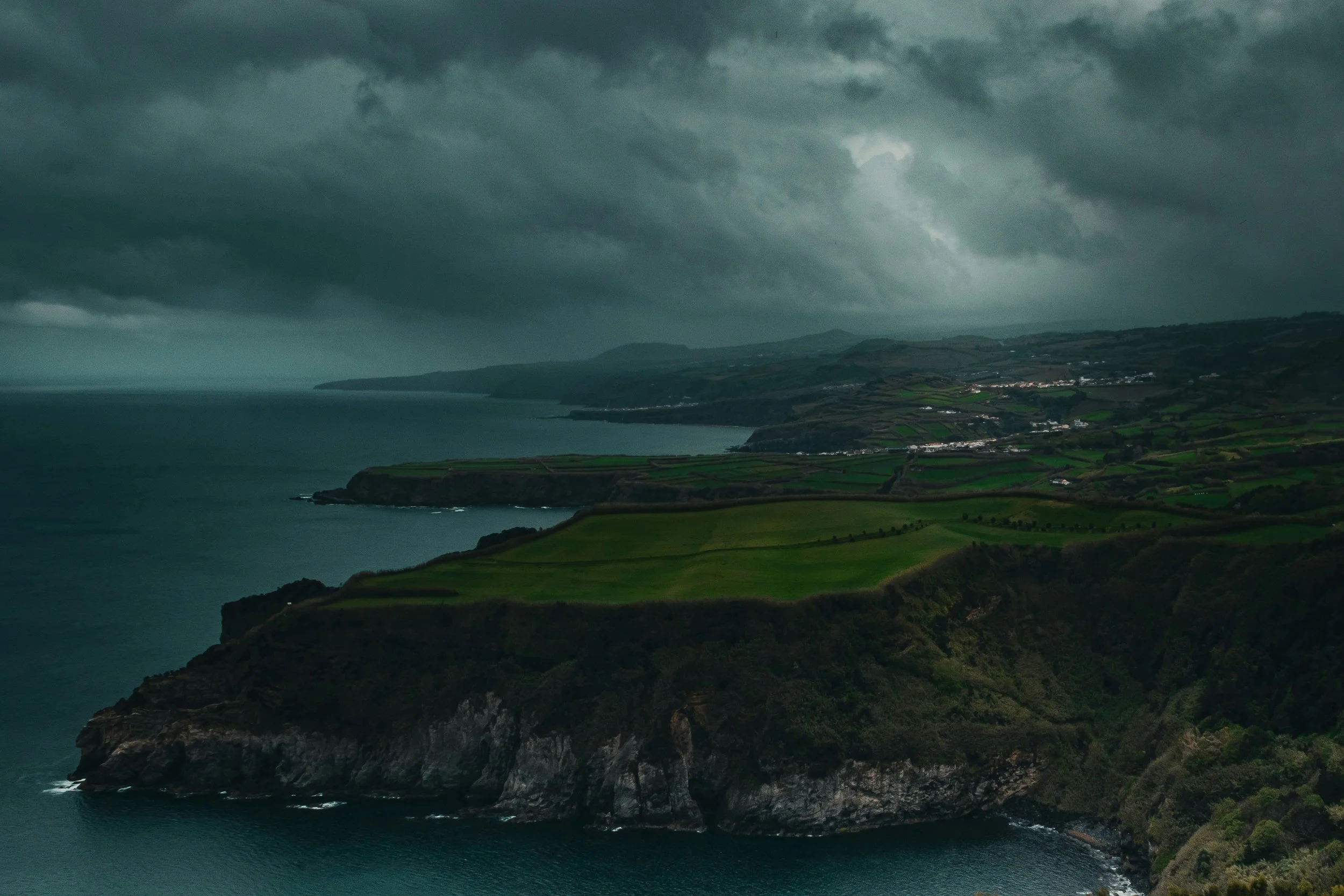
Best for: Volcanic landscapes, hiking, lakes and dramatic scenery
The Azores are almost the opposite of the typical European summer holiday.
Instead of spending seven days moving between crowded Mediterranean beaches, you can spend your vacation exploring volcanic landscapes, crater lakes, waterfalls, green hills and rugged coastlines.
The archipelago sits in the middle of the Atlantic Ocean and consists of nine volcanic islands, each with its own character.
The most visited island, São Miguel, is a particularly good introduction.
What makes the Azores different?
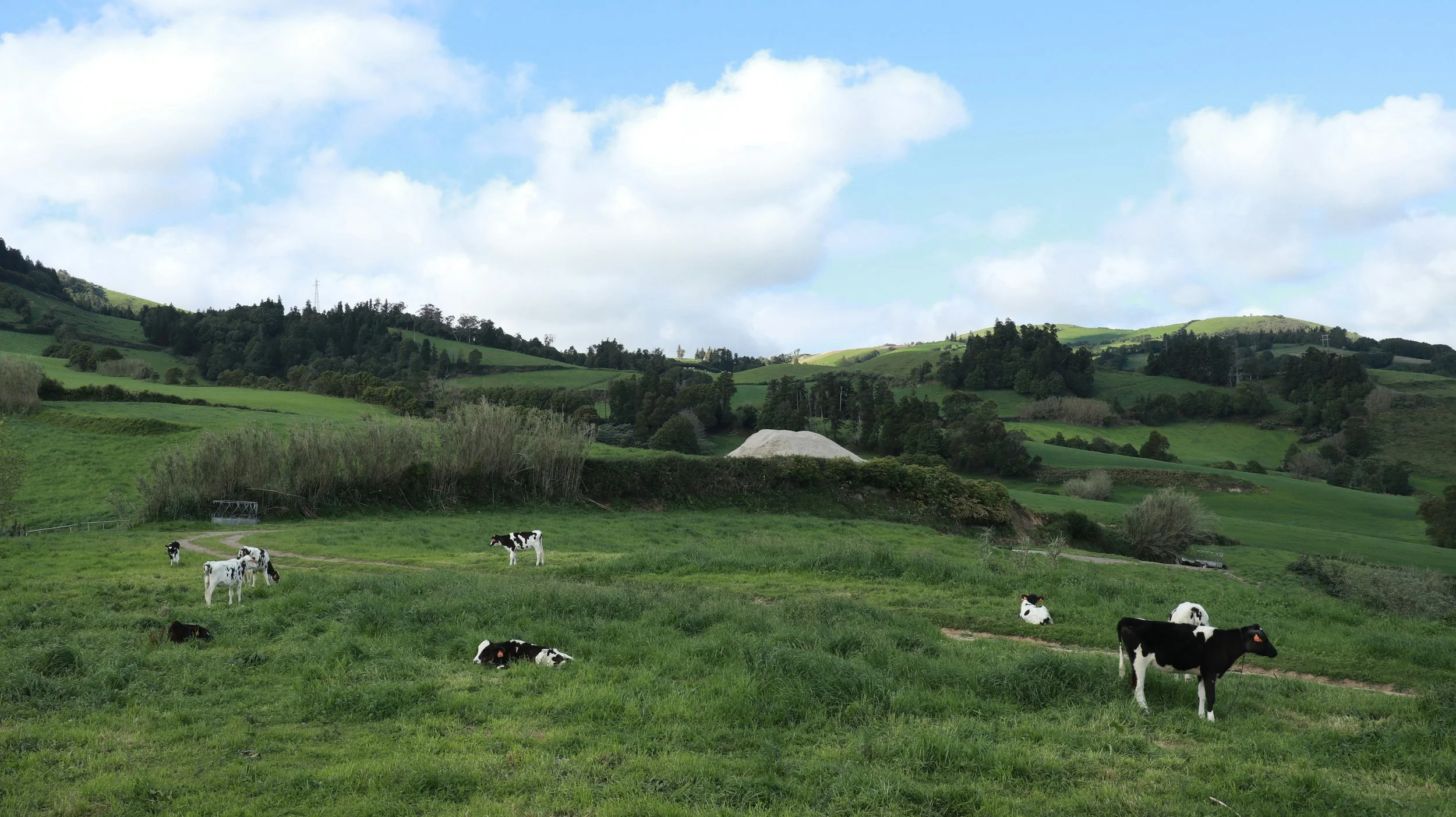
The landscape is the main attraction.
You can drive through lush countryside, stop at volcanic viewpoints, hike around crater lakes and soak in geothermal hot springs.
On São Miguel, places worth including are:
Sete Cidades
Lagoa do Fogo
Furnas
Terra Nostra Park
Caldeira Velha
Ponta Delgada
Nordeste
The Azores also work beautifully for travelers who prefer road trips over traditional sightseeing.
You don't need to spend every day checking attractions off a list. Some of the best experiences come from simply driving through the countryside and stopping whenever you find an interesting viewpoint.
What is summer like?
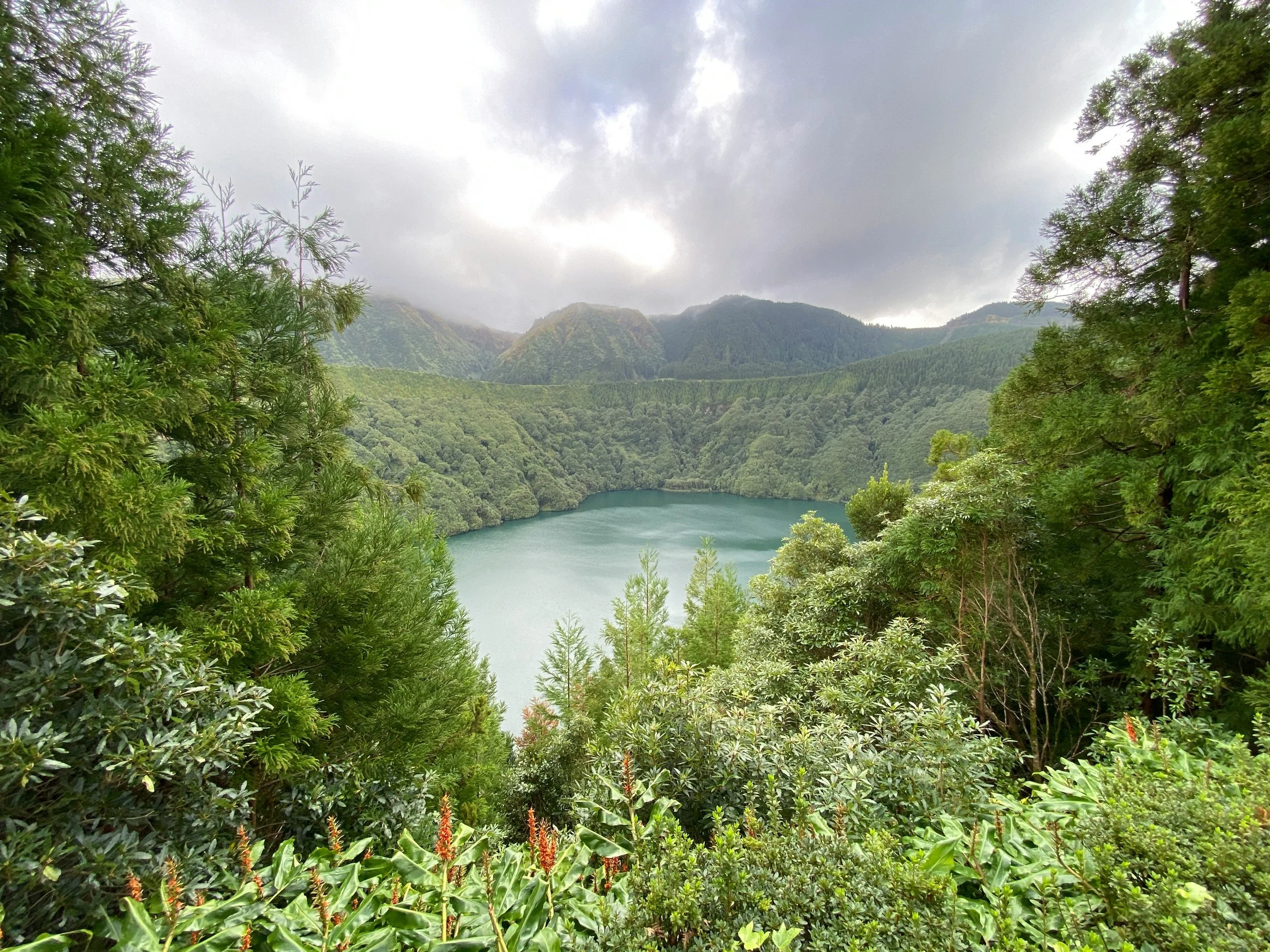
Summer is one of the best seasons to visit because conditions are generally suitable for hiking and outdoor activities.
However, the weather is Atlantic rather than Mediterranean. You should expect changing conditions, cloud, wind and occasional rain.
That's actually part of the appeal.
The Azores are green because they aren't relentlessly hot and dry.
Who should visit?
The Azores are ideal if you want:
Cool-to-mild summer weather
Nature rather than nightlife
Hiking
Road trips
Volcanic landscapes
Fewer traditional beach crowds
A destination that feels genuinely different
They are less suitable if your idea of summer is guaranteed sunshine and a resort-style beach holiday.
3. Estonia's Islands
Best for: Beaches, forests, cycling and slow summer travel
When people think about European summer beaches, Estonia probably isn't the first country that comes to mind.
That's exactly why it works.
Estonia has a short but beautiful summer, with long daylight hours and average summer temperatures around 18–20°C.
And if you want to get away from even the busier parts of mainland Estonia, head to the islands.
Saaremaa, Muhu and Hiiumaa
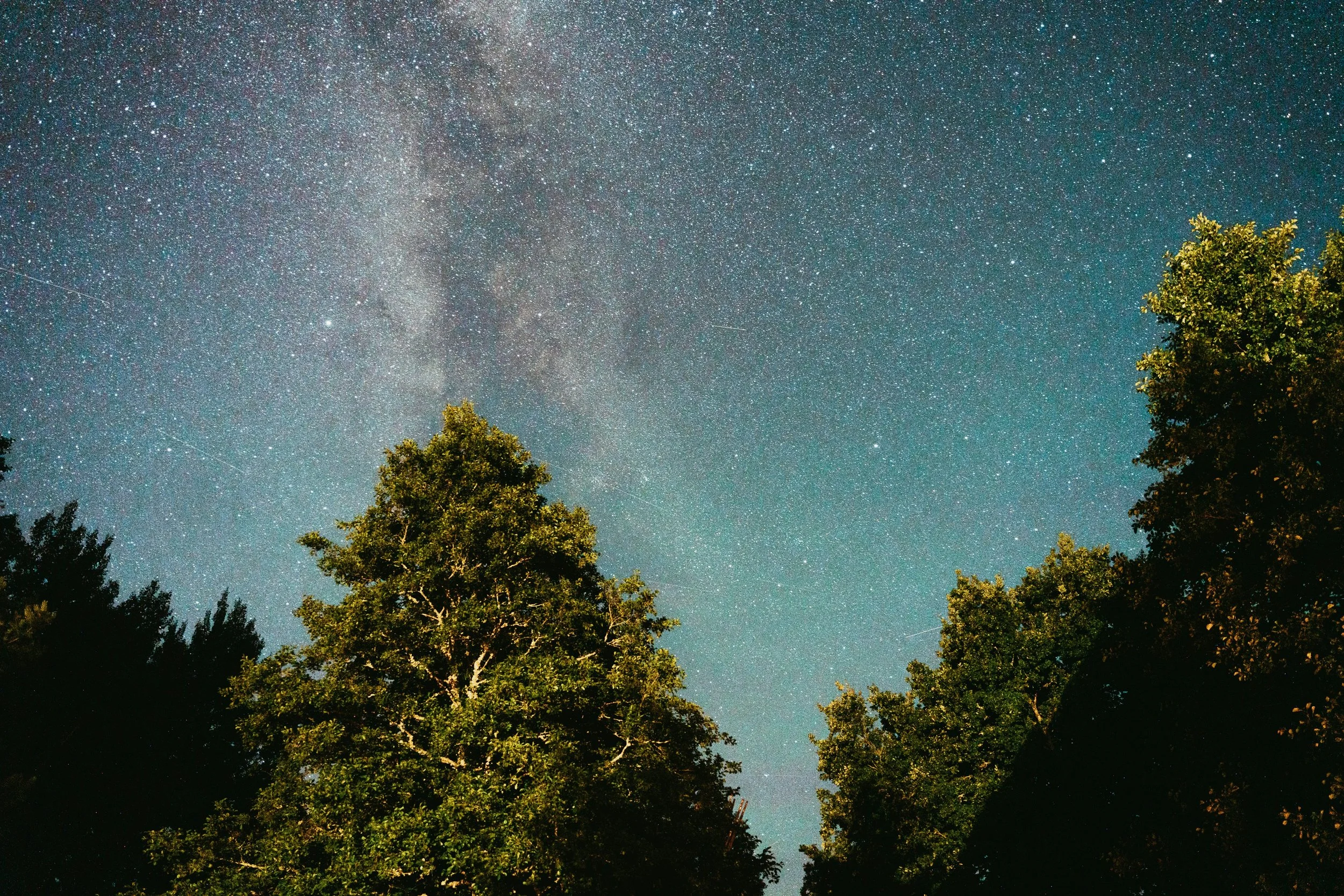
Suuremõisa küla, Hiiumaa, Hiiu County, Estonia
These islands offer a completely different type of summer vacation.
Instead of massive beach resorts, you'll find:
Forests
Sandy beaches
Small villages
Cycling routes
Historic windmills
Coastal landscapes
Traditional accommodation
Quiet roads
Saaremaa is the largest and easiest starting point.
Muhu is smaller and particularly suited to travelers looking for a slower rural experience.
Hiiumaa is another excellent option if you want nature and very little pressure to constantly "do something."
Even during the high season, Estonian islands tend to feel considerably more relaxed than conventional European beach destinations.
What makes Estonia especially good for summer?
The long daylight hours.
Summer evenings can stretch on for an unusually long time, making it possible to have dinner, cycle, walk along the coast and still feel as though the day hasn't ended.
If you don't enjoy extreme heat, Estonia is also one of the more comfortable European options.
4. Vesterålen, Norway
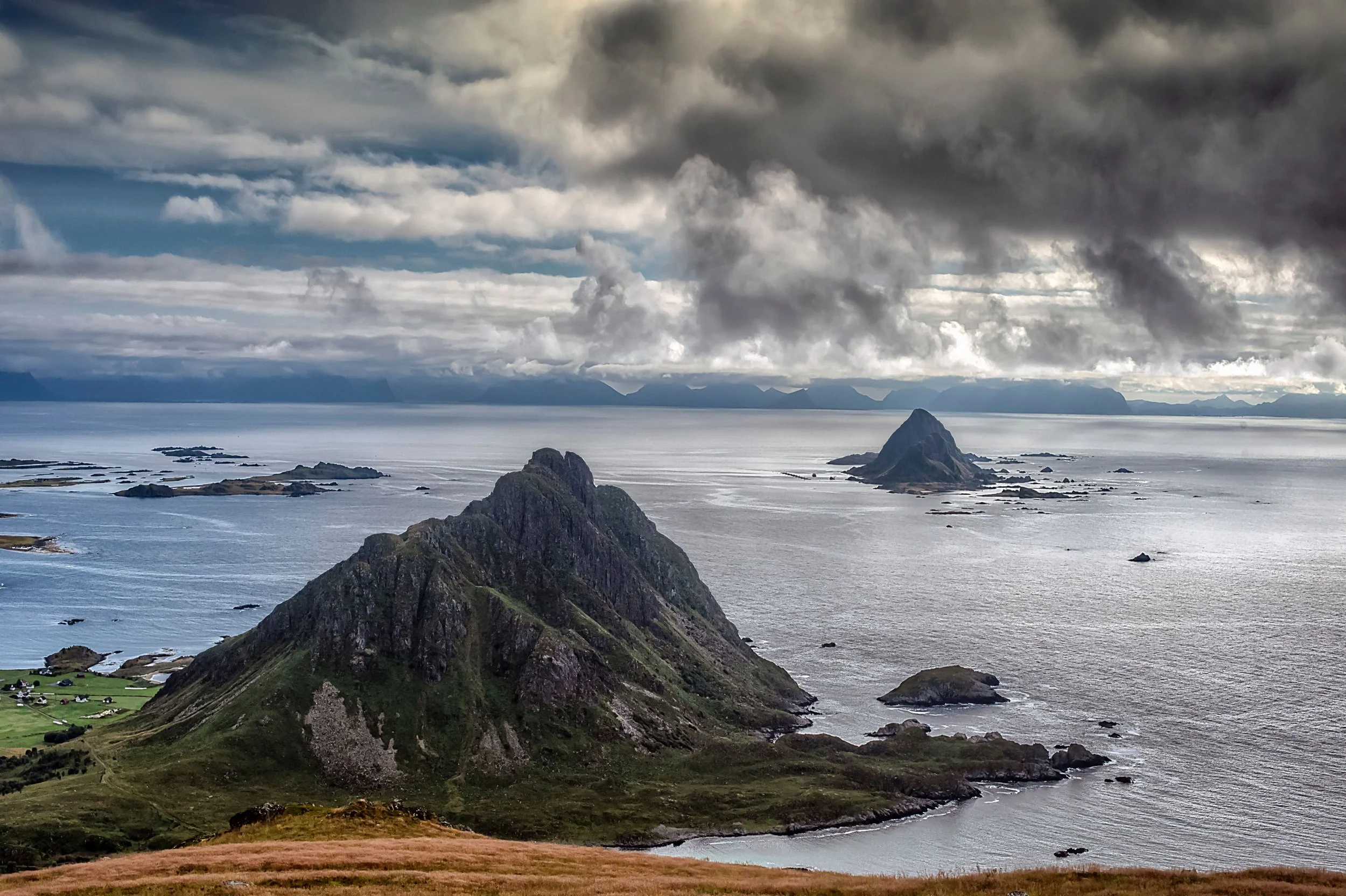
Best for: Fjords, mountains, beaches and Arctic summer
Norway is on the top of my bucket list destinations. Norway's Lofoten Islands have become one of the iconic destinations of Scandinavian travel.
And that popularity comes with a downside: summer can be busy.
So instead of automatically heading to Lofoten, consider Vesterålen, further north.
Norway's own tourism board highlights Vesterålen as a quieter alternative, with similar dramatic landscapes, hiking, beaches and midnight-sun experiences.
Why Vesterålen?
You get many of the experiences people travel to northern Norway for:
Dramatic mountains
Fishing villages
Arctic coastline
Hiking
Whale watching
Beaches
Midnight sun
Scenic drives
But the region is more spacious.
That matters during summer.
Instead of feeling like you're following a single tourist route, you have more opportunities to simply stop somewhere beautiful and have the landscape to yourself.
The midnight sun experience
If you've never experienced the midnight sun, northern Norway in summer can feel surreal.
The sun remains above or close to the horizon for extremely long periods, giving you golden evening light well into the night.
It's one of those travel experiences that doesn't require an attraction or ticket.
You simply have to be there.
5. The Pelion Peninsula, Greece
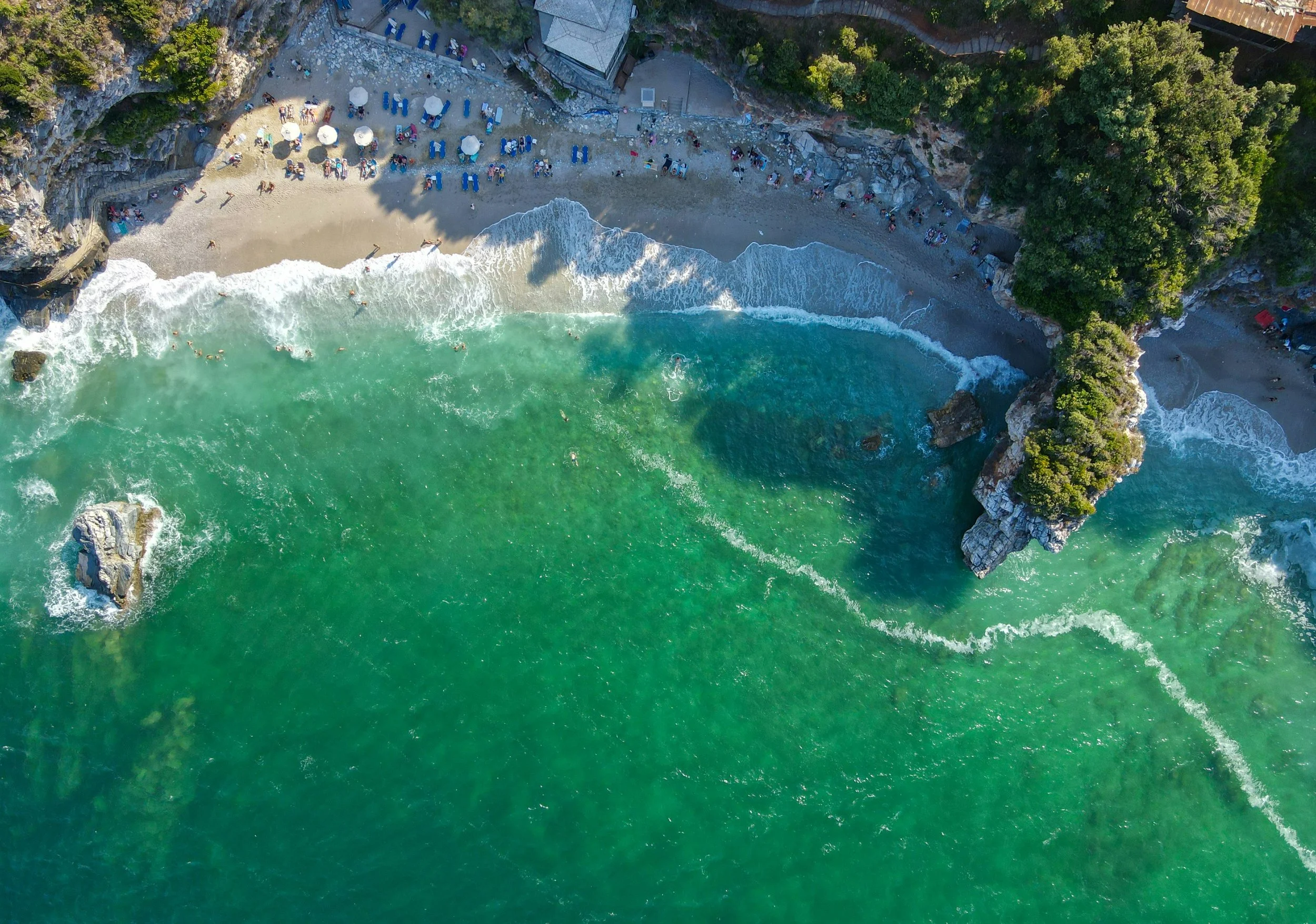
Best for: Greek beaches without the Santorini-style crowds
Greece in summer is popular for a reason.
The islands are beautiful, the food is excellent and the Mediterranean atmosphere is hard to beat.
But you don't necessarily need to visit Santorini, Mykonos or the most famous islands to experience Greece.
The Pelion Peninsula is an excellent alternative.
Located in mainland Greece, Pelion combines mountain villages with beautiful beaches.
That combination makes it unusual.
You can spend the morning hiking through a forested mountain village and the afternoon swimming in the Aegean.
What to expect
Pelion has:
Mountain villages
Pebbled beaches
Forests
Coastal roads
Traditional Greek food
Hiking trails
Small guesthouses
Clear blue water
Some beaches are difficult to reach, which is part of why they don't feel like giant resort beaches.
Why visit Pelion instead of the famous Greek islands?
Because the experience is different.
You aren't visiting Greece simply to photograph an iconic building.
You're visiting to slow down.
Have a long lunch.
Swim for an hour.
Drive to another village.
Stop for coffee.
Watch the sunset.
That is often a much better summer vacation than trying to squeeze five famous Instagram locations into one week.
6. Alta Badia, Italy
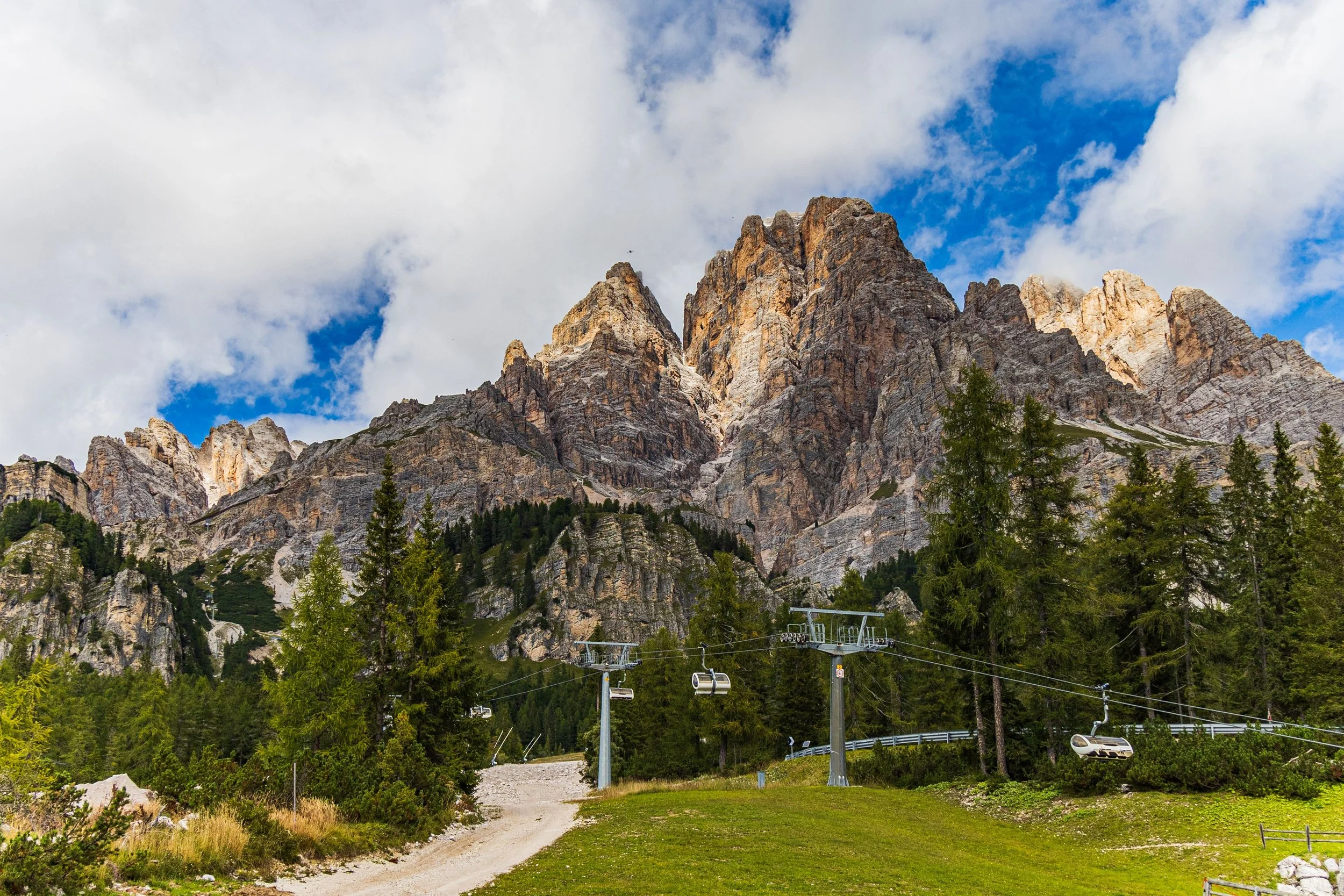
Best for: Dolomites, hiking and food
The Dolomites are absolutely not a secret anymore.
But you don't have to avoid the Dolomites altogether just because destinations such as Cortina d'Ampezzo are popular.
Instead, choose a less-hyped part of the region.
Alta Badia is one of the best alternatives.
Located in South Tyrol, the valley combines dramatic Dolomite scenery with traditional mountain villages and an unusually strong food culture.
Lonely Planet has also highlighted Alta Badia as a quieter alternative to some of the busier Dolomite destinations. (Lonely Planet)
Things to do
Summer is perfect for:
Hiking
Mountain biking
Scenic drives
Cable cars
Alpine walks
Photography
Local food experiences
The area is particularly attractive if you don't want a purely adventure-focused holiday.
You can spend the morning hiking and the afternoon having a long lunch overlooking the mountains.
Why it works for summer
Unlike much of southern Italy, the mountains provide a natural escape from extreme summer heat.
And if you're already planning an Italian trip, adding a mountain destination can give you a completely different experience from Rome, Florence or the Amalfi Coast.
7. Picos de Europa, Spain
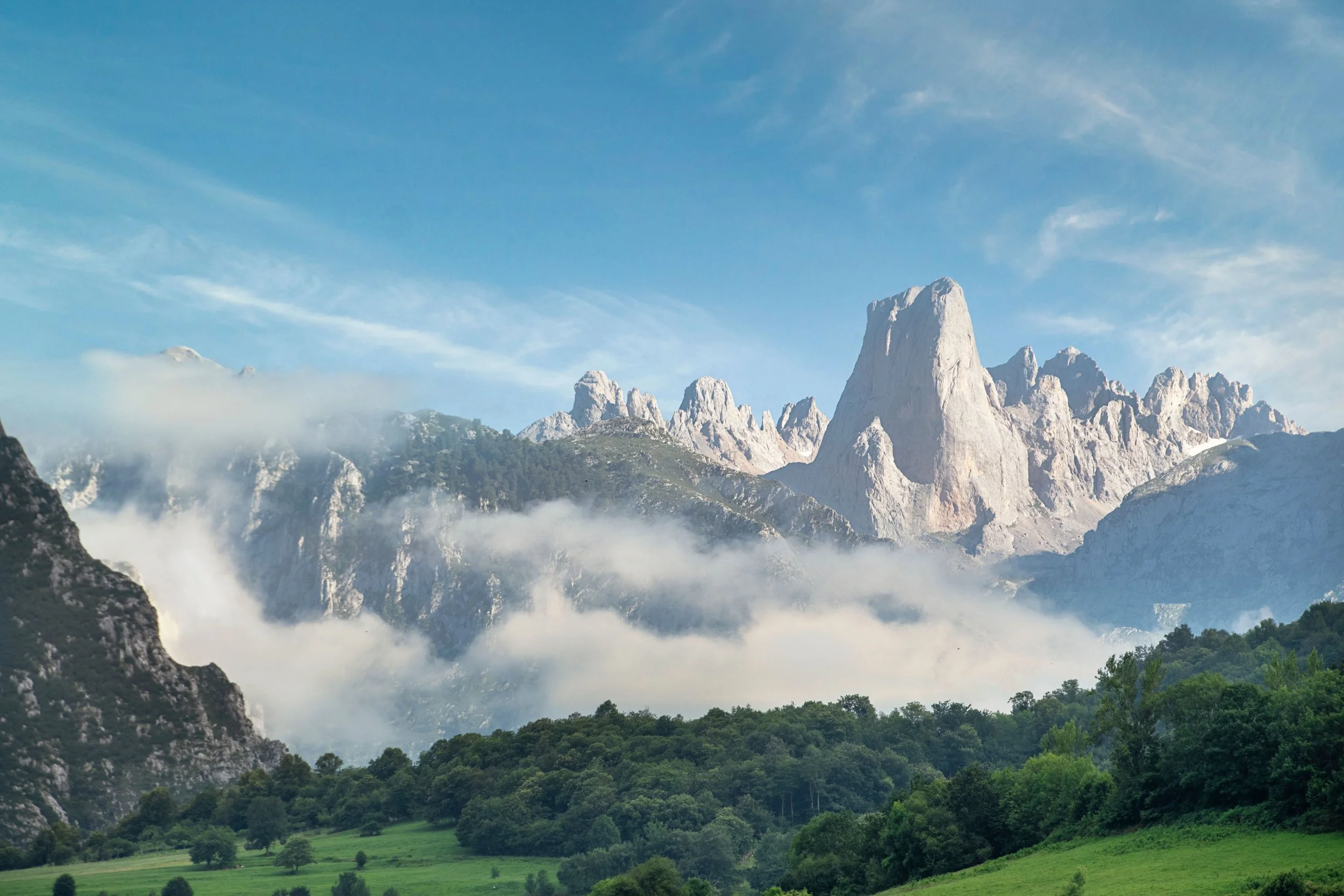
Best for: Hiking, mountain villages and cooler Spanish summers
Spain is often associated with beaches and hot summer cities.
But northern Spain offers an entirely different experience.
The Picos de Europa mountain range is one of the best choices if you want dramatic landscapes without spending your vacation in Barcelona, Mallorca or the Costa del Sol.
The region is known for:
Dramatic limestone mountains
Deep valleys
Hiking trails
Mountain villages
Green landscapes
Traditional food
Scenic roads
Summer temperatures can also be considerably more comfortable than in southern Spain.
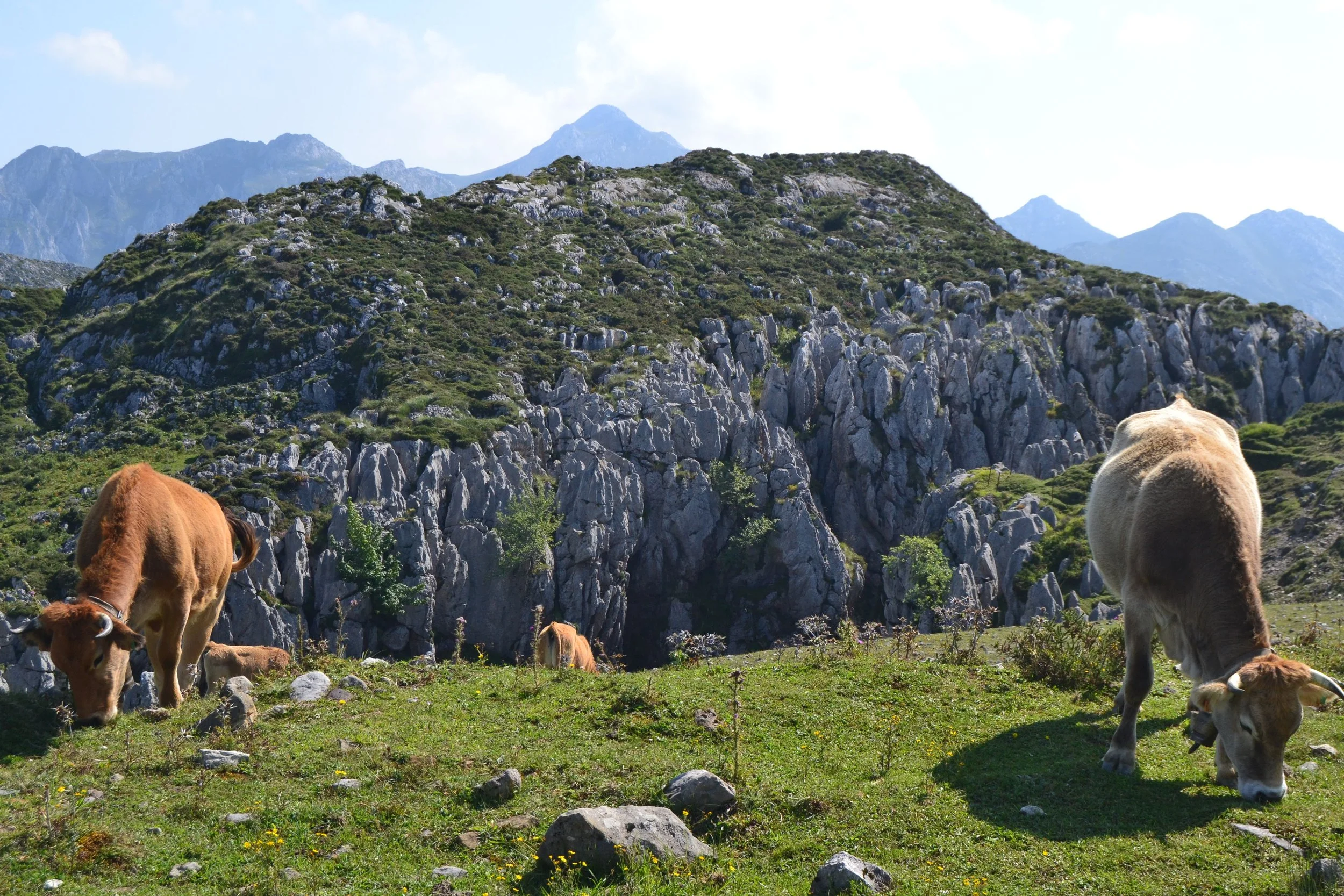
What to do
Base yourself in a small mountain town and spend several days exploring the surrounding region.
Popular activities include:
Hiking
Cable-car rides
Scenic drives
Village hopping
Local food experiences
Photography
This is a destination for people who enjoy landscape and slow travel more than nightlife.
8. Latvia's Baltic Coast
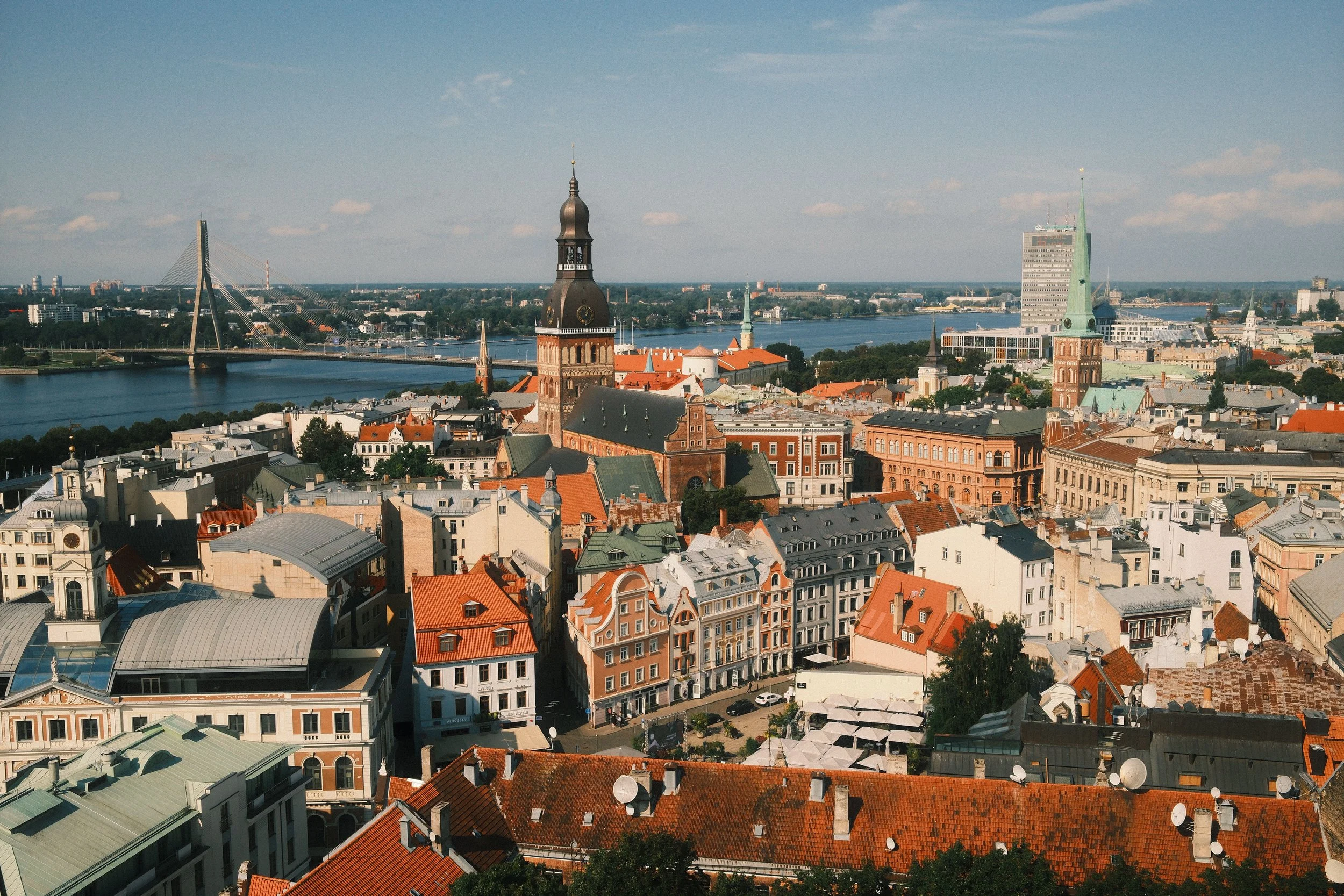
Best for: A beach holiday without Mediterranean heat
Here's an unexpected alternative to a European beach vacation:
the Baltic Sea.
Latvia's coastline offers long sandy beaches, forests and small seaside towns.
The biggest advantage?
You aren't dealing with the intense heat associated with many Mediterranean destinations.
Jūrmala
Jūrmala is Latvia's best-known seaside destination and is easy to combine with Riga.
But don't stop there.
The Latvian coast stretches far beyond Jūrmala, with quieter beaches and small coastal communities.
You can combine:
Riga → Jūrmala → coastal road trip → quieter Baltic beaches
This works particularly well for travelers who want both a city break and a nature escape.
What summer feels like here
Think:
Long walks on the beach
Cycling
Forests
Small cafés
Cool evenings
Spacious beaches
Rather than:
Beach clubs
Crowded promenades
40°C afternoons
Packed sun loungers
If you're not a fan of extreme summer heat, the Baltic coast is worth considering.
9. Northern Portugal: Minho
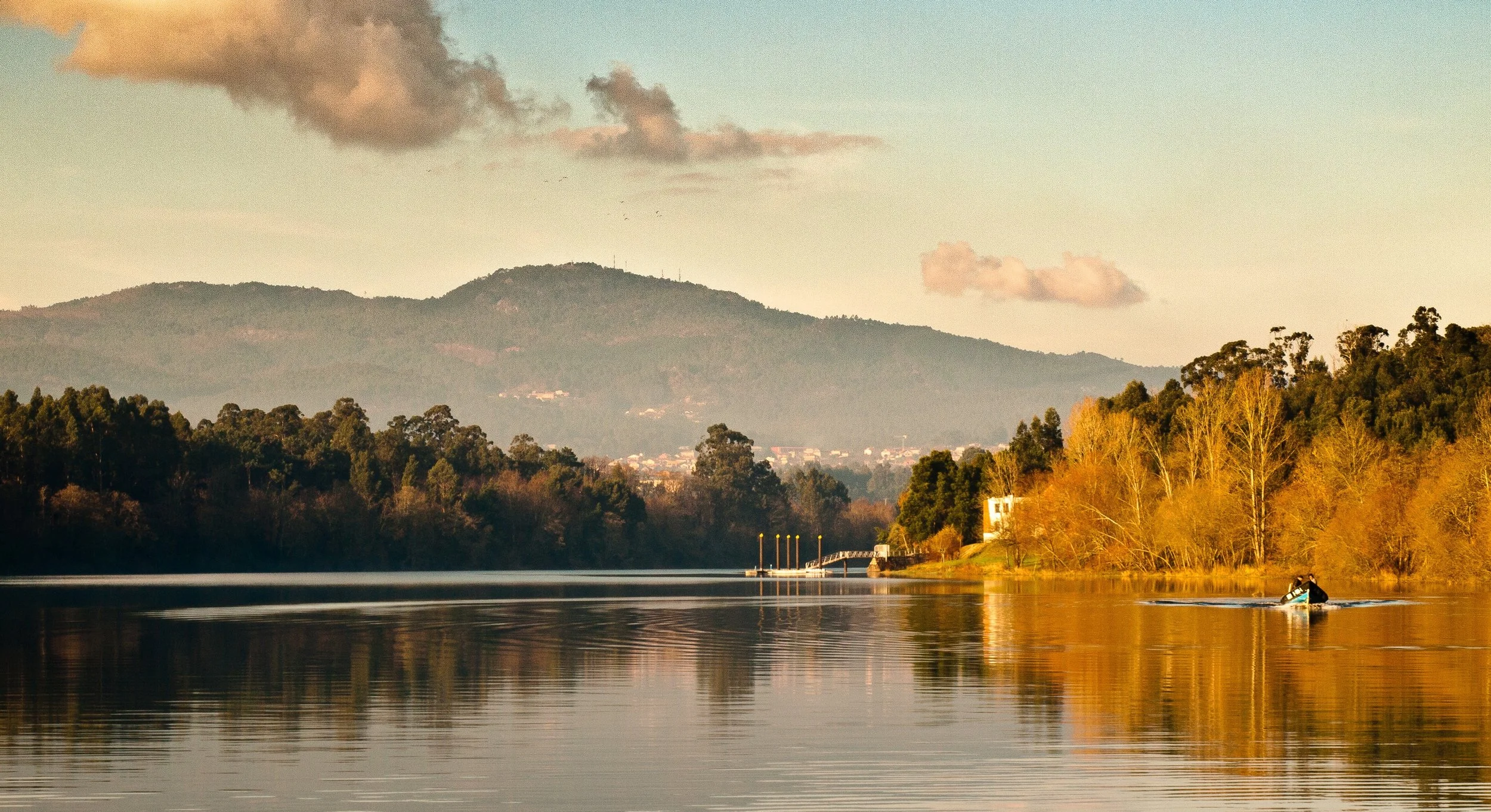
Best for: Green landscapes, food, wine and small towns
Portugal's Algarve is beautiful, but summer crowds can make some of its most famous destinations feel very different from the relaxed Portuguese holiday many people imagine.
For a quieter alternative, look north.
The Minho region around northern Portugal is green, atmospheric and far less associated with the classic summer beach holiday.
Why visit Minho?
This is a region for travelers who enjoy:
Small towns
Vineyards
Traditional food
Green landscapes
Historic architecture
River valleys
Rural stays
You can explore places around Braga, Guimarães, Viana do Castelo and the Lima Valley, while using the region as a base for day trips.
The north also gives you a chance to experience Portuguese food and culture without building your entire trip around beaches.
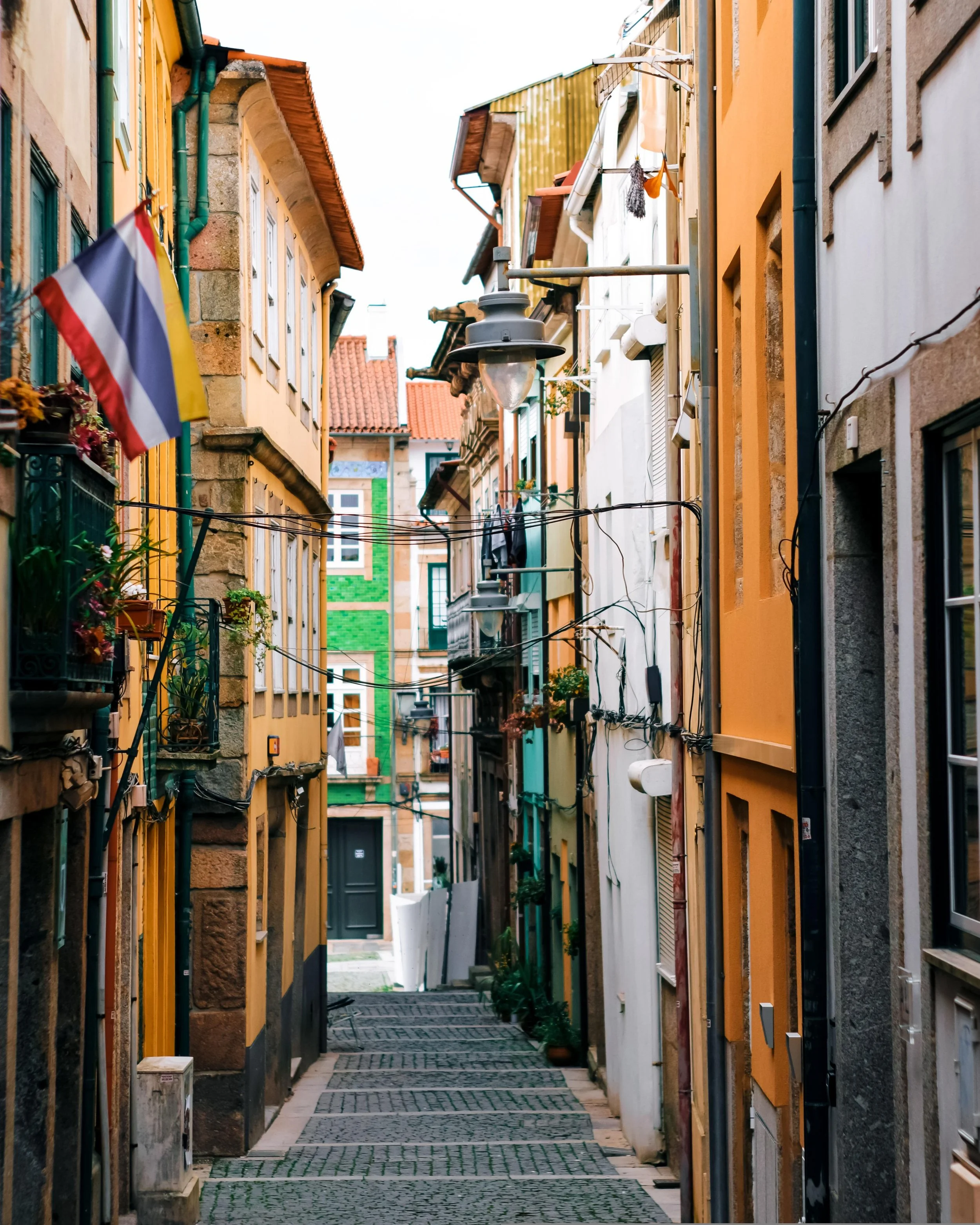
The perfect summer day in Minho
A relaxed morning in a historic town.
Lunch at a local restaurant.
A drive through the countryside.
An afternoon at a vineyard.
Then dinner outside as the temperature cools.
If that sounds better than fighting for space on an Algarve beach, Minho deserves a place on your list.
10. Slovenia's Soča Valley
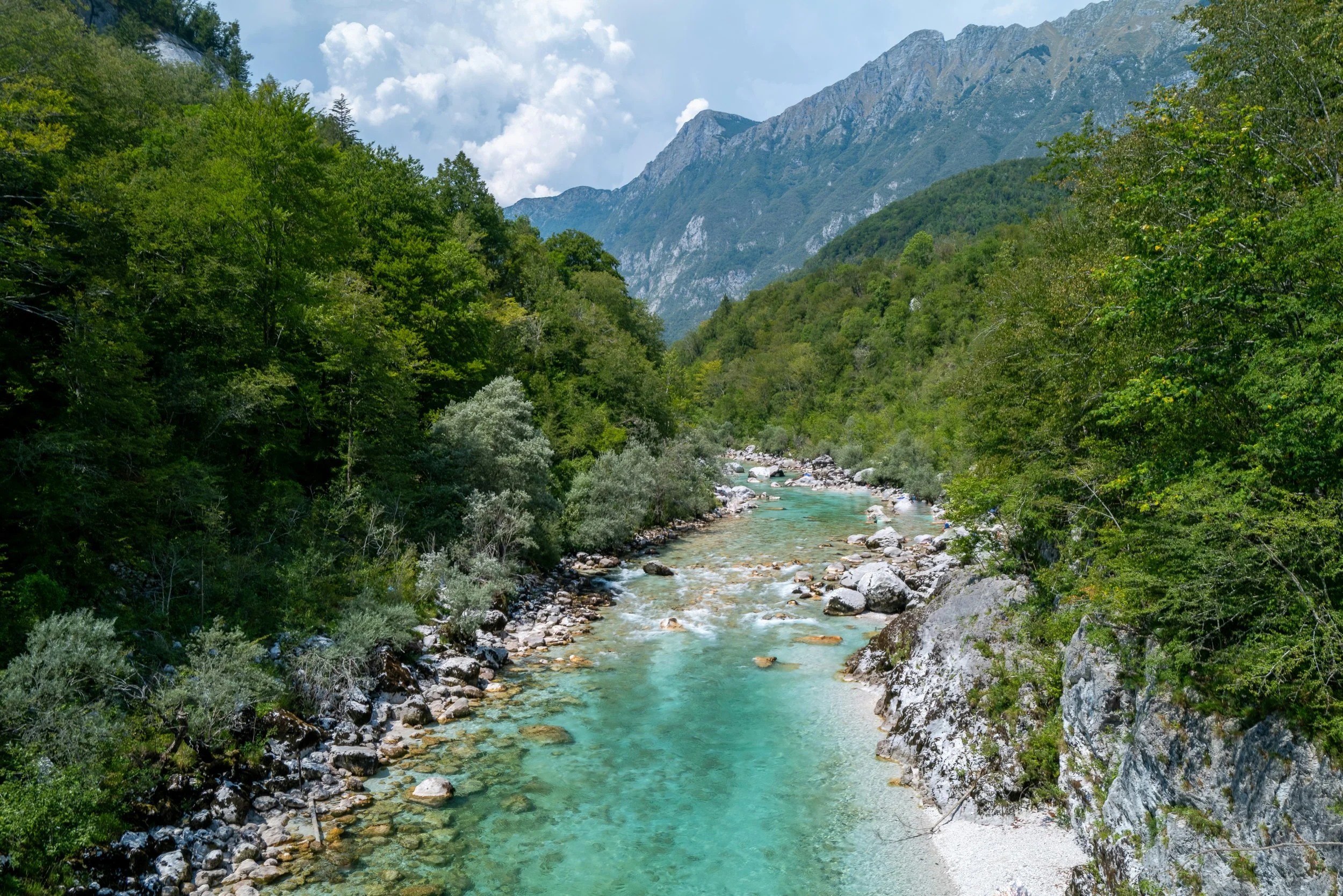
Best for: Turquoise rivers, adventure and mountain scenery
If Bohinj sounds appealing but you want something more adventurous, look toward the Soča Valley.
The Soča River is famous for its striking turquoise color and runs through a spectacular Alpine landscape.
Summer is the perfect time for outdoor activities here.
Things to do
Depending on your comfort level, you can try:
Hiking
Rafting
Kayaking
Canyoning
Cycling
Scenic drives
River walks
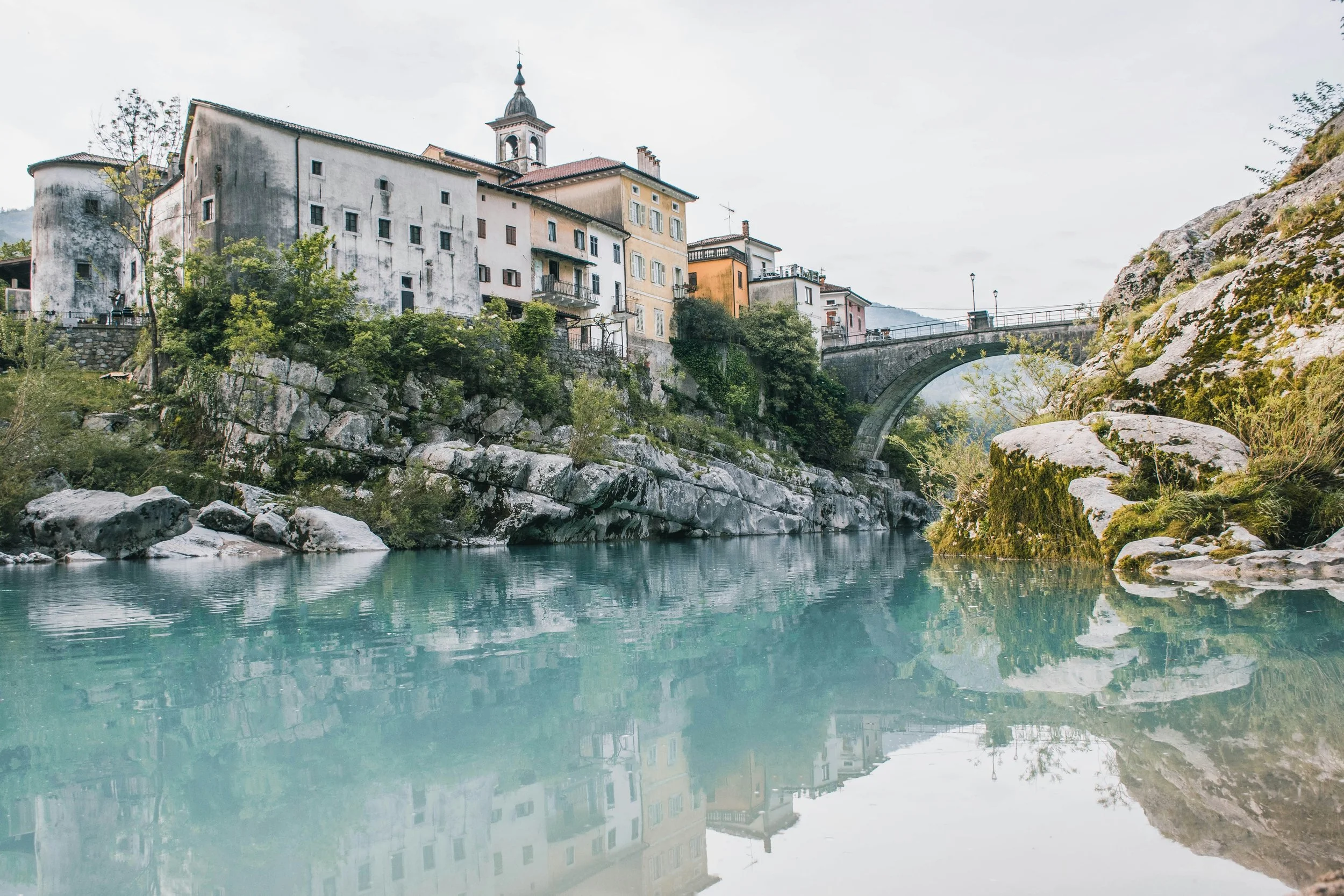
You can also combine the Soča Valley with Bohinj, creating a longer Slovenian itinerary without having to rely on the more crowded parts of the country.
One thing to keep in mind: Slovenia itself is no longer an undiscovered destination. Its popularity has been rising quickly, and official data showed strong summer tourism growth in 2026.
So the trick is not simply "go to Slovenia."
It's:
go beyond the most famous stops, travel early in the day and build your itinerary around less concentrated areas.
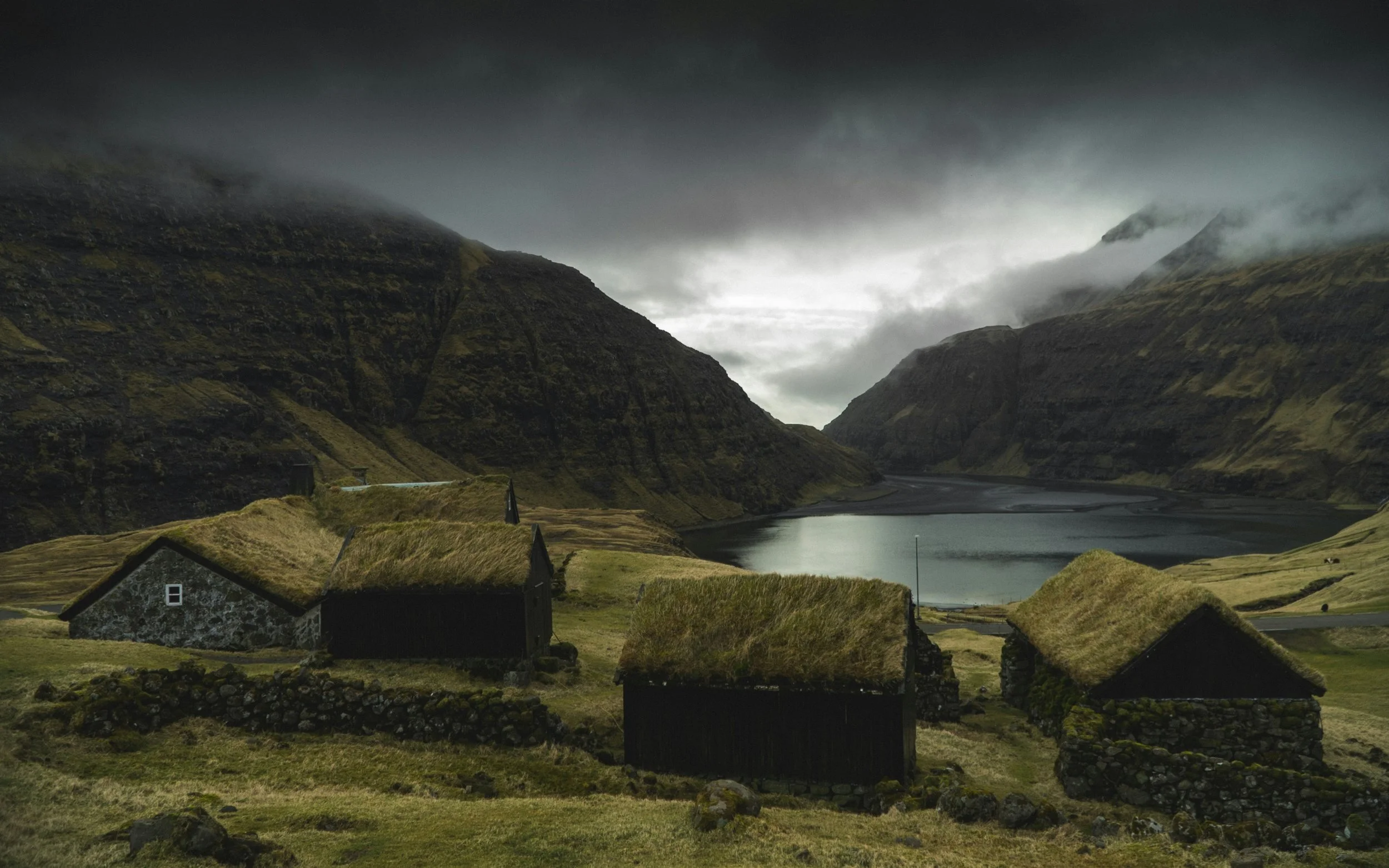
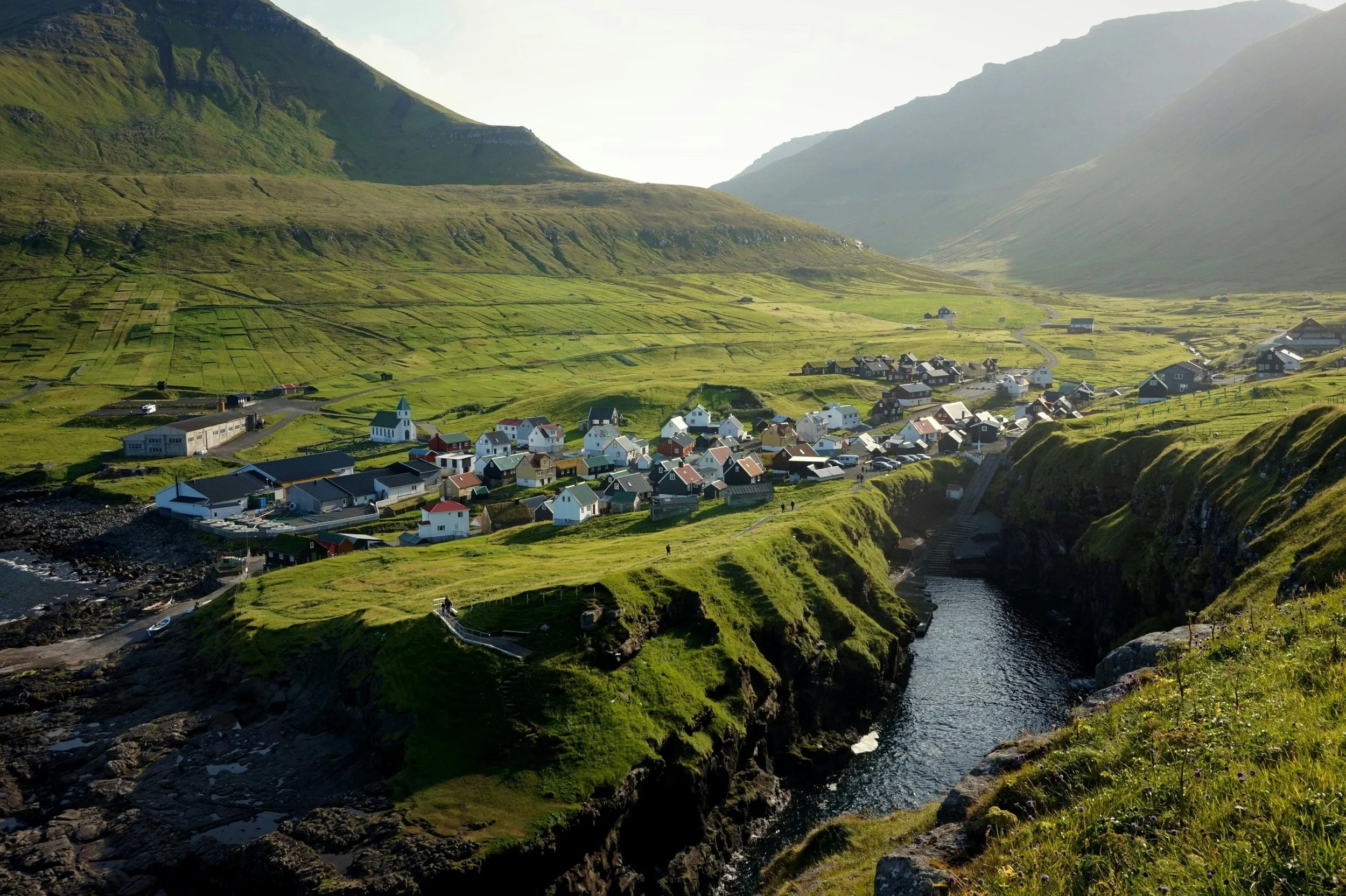
11. The Faroe Islands
Best for: Dramatic landscapes, hiking and escaping summer heat
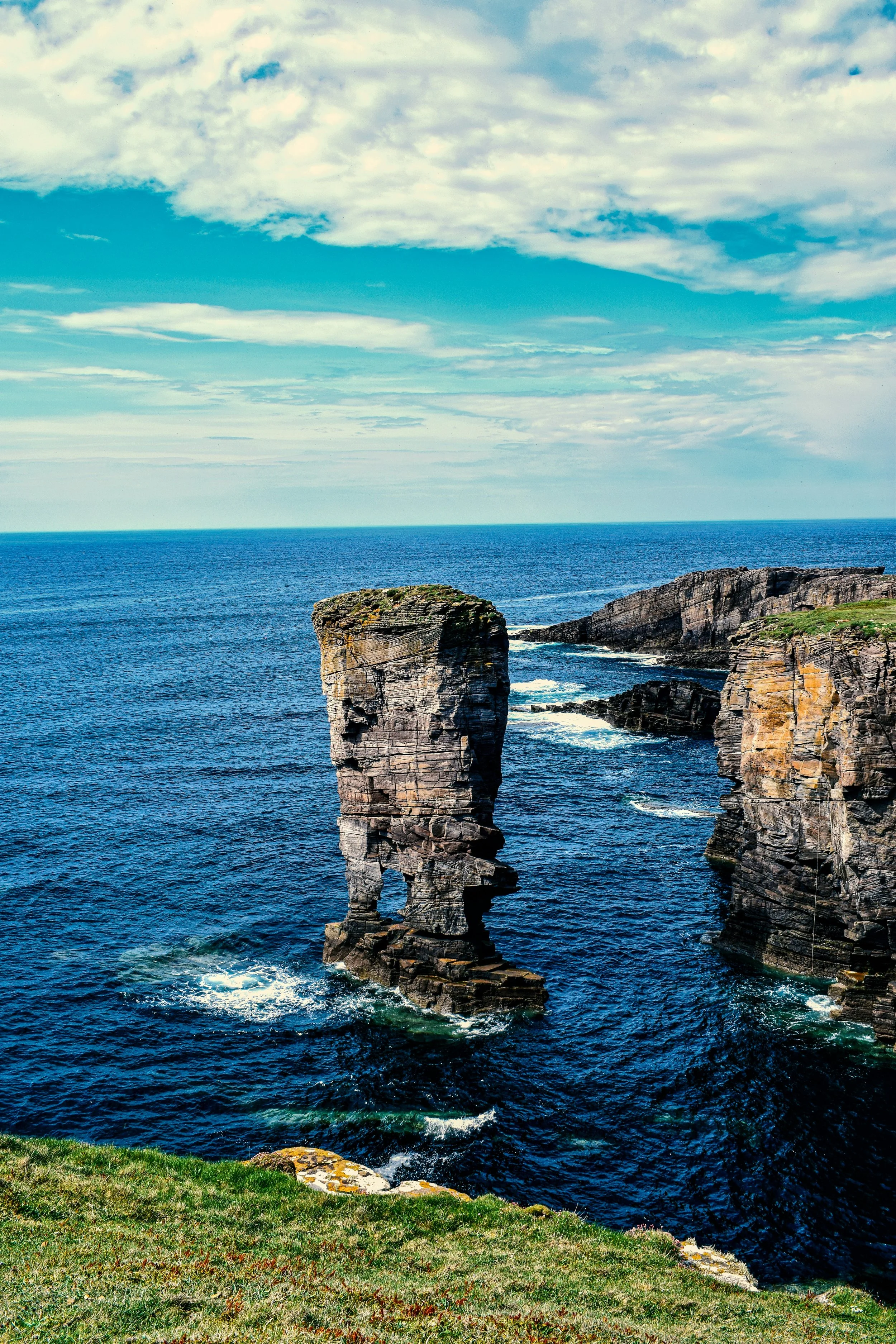
If you want somewhere that looks almost unreal, consider the Faroe Islands.
The landscape is dominated by:
Green mountains
Sheer cliffs
Waterfalls
Tiny villages
Windy roads
Open ocean
Dramatic hiking trails
Summer temperatures are cool compared with southern Europe, making the Faroe Islands especially attractive to travelers who struggle with heat.
But aren't the Faroes becoming popular?
Yes.
This is an important point.
"Less crowded" does not mean "nobody goes there."
The Faroe Islands have become increasingly popular among photographers and outdoor travelers.
But because the islands are spread out and the experience is primarily nature-based, you can still have wonderfully peaceful moments.
The weather is unpredictable, though.
You need to be comfortable with wind, cloud and rain appearing even during summer.
Who should go?
Choose the Faroes if your perfect holiday includes:
hiking + dramatic scenery + small villages + cool weather + road trips.
Don't choose them if you're looking for guaranteed sunshine.
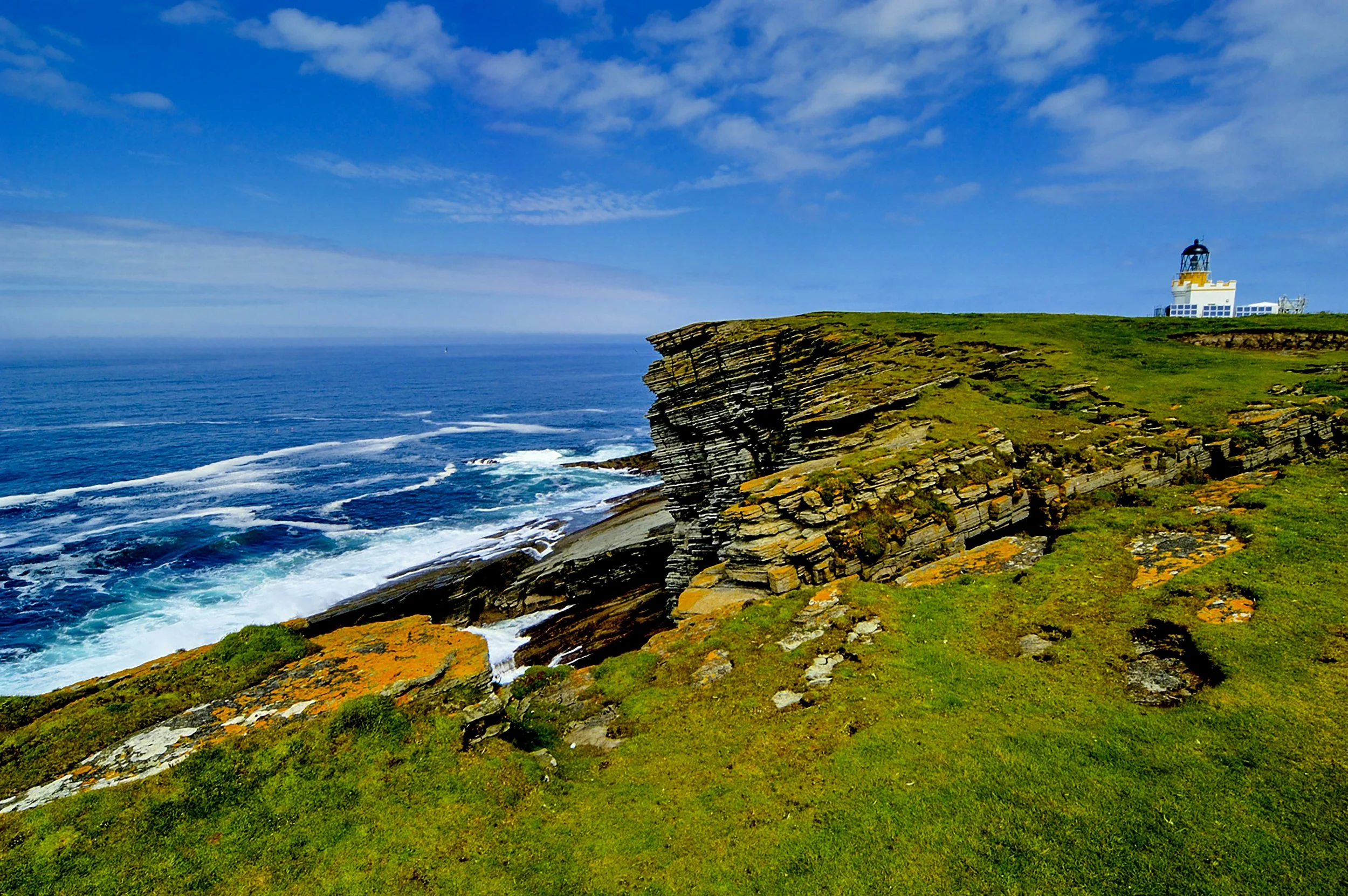
12. The Scottish Highlands and Islands
Best for: Road trips, dramatic scenery and long summer days
Scotland is another destination that becomes particularly appealing when you're trying to escape the European summer heat.
The Highlands offer a combination of:
Mountains
Lochs
Castles
Coastal landscapes
Hiking
Small villages
Scenic roads
Instead of concentrating your trip around Edinburgh, build a road trip through the Highlands.
And if you have more time, consider adding one of the islands.
The key to avoiding crowds
Don't try to see all of Scotland in one trip.
That's one of the biggest mistakes travelers make.
Choose one region and explore it slowly.
For example:
Edinburgh → Cairngorms → Scottish Highlands → Isle of Skye
Or choose a western-coast itinerary and spend more time in smaller towns.
You'll get a much better experience than spending every day driving several hours simply to reach the next famous viewpoint.
How to Avoid Crowds Even in a Popular Destination
You don't always have to choose a completely obscure destination.
Sometimes you can make a famous destination feel dramatically quieter simply by changing when and where you go.
1. Travel in June or September
July and August are the heart of the European summer season.
If your schedule allows, consider:
Mid-June
Late June
Early September
Mid-September
You can often get a much better balance between weather, operating hours and crowds.
However, always check the specific destination because mountain and island destinations can have very short seasons.
2. Stay overnight near the attraction
This is one of my favorite travel tricks.
Suppose a famous lake receives day visitors from a nearby city.
If you stay there overnight, you get:
early morning + evening = the destination without the day-trip crowds.
This works particularly well for scenic towns and natural attractions.
For example, in Slovenia, Bled can become busy during the day, while staying nearby allows you to explore early before the largest crowds arrive.
3. Don't build your itinerary around Instagram-famous locations
A destination isn't defined by its most photographed viewpoint.
If you spend an entire trip chasing viral locations, you're almost guaranteed to encounter crowds.
Instead, find:
Local walking routes
Smaller villages
Regional parks
Secondary viewpoints
Local markets
Scenic roads
Small beaches
Neighborhood restaurants
These often become the most memorable parts of a trip.
4. Choose regions instead of individual attractions
This is particularly useful in Europe.
Instead of:
"I want to visit the most beautiful lake in Slovenia."
Think:
"I want to spend five days exploring the Julian Alps."
Instead of:
"I want to visit the most famous beach in Greece."
Think:
"I want a week exploring mainland Greece's coast and villages."
The second approach naturally spreads you out.
The Best Summer Destinations for Different Types of Travelers
So, Which One Should You Choose?
There isn't one perfect "secret" summer destination.
The best choice depends on the type of summer you want.
For a peaceful European lake holiday
Choose Bohinj, Slovenia.
It's beautiful, accessible and gives you that Alpine-lake experience without making Lake Bled your entire itinerary.
For something completely different
Choose the Azores.
Volcanic landscapes, hot springs, crater lakes and Atlantic scenery make it feel nothing like a conventional European summer.
For beaches without Mediterranean temperatures
Choose Estonia or Latvia.
The Baltic coast is particularly good for travelers who prefer mild weather and long walks over intense heat.
For dramatic landscapes
Choose Vesterålen or the Faroe Islands.
These are for travelers who would happily trade hot weather for cliffs, mountains, waterfalls and endless summer light.
For a Greek holiday without the most famous islands
Choose Pelion.
You still get clear water, beautiful villages and Greek food, but the trip feels more local and relaxed.
For a mountain-and-food vacation
Choose Alta Badia.
It's an excellent choice if you want spectacular scenery without spending your entire vacation hiking.
Final Thoughts: You Don't Have to Find a Completely Hidden Place
The best less-crowded summer destinations aren't necessarily places nobody has heard of.
In fact, that's an unrealistic expectation.
A destination can be popular and still offer peaceful corners.
The trick is to travel differently from the crowds.
Choose a less-famous region. Stay for longer. Travel in June or September when possible. Start your day early. Explore beyond the main attraction. And, most importantly, don't build your entire itinerary around the places that dominate social media.
Because sometimes the best summer memory isn't the famous landmark you waited two hours to photograph.
It's the quiet mountain road you found by accident.
The little café where you stayed longer than planned.
The empty beach you discovered after taking the wrong turn.
Or the evening when you sat beside a lake with almost nobody around.
That's the kind of summer these destinations are made for.
Travel note: "Less crowded" is relative, especially in July and August. Some destinations on this list are becoming increasingly popular, so check current local conditions and book accommodation early for peak summer travel. Norway, for example, specifically notes that its peak season can bring increased crowding around late June through mid-August, while encouraging travelers to explore alternative regions.
