What to Pack for Japan in Every Season: The Complete Japan Packing Guide
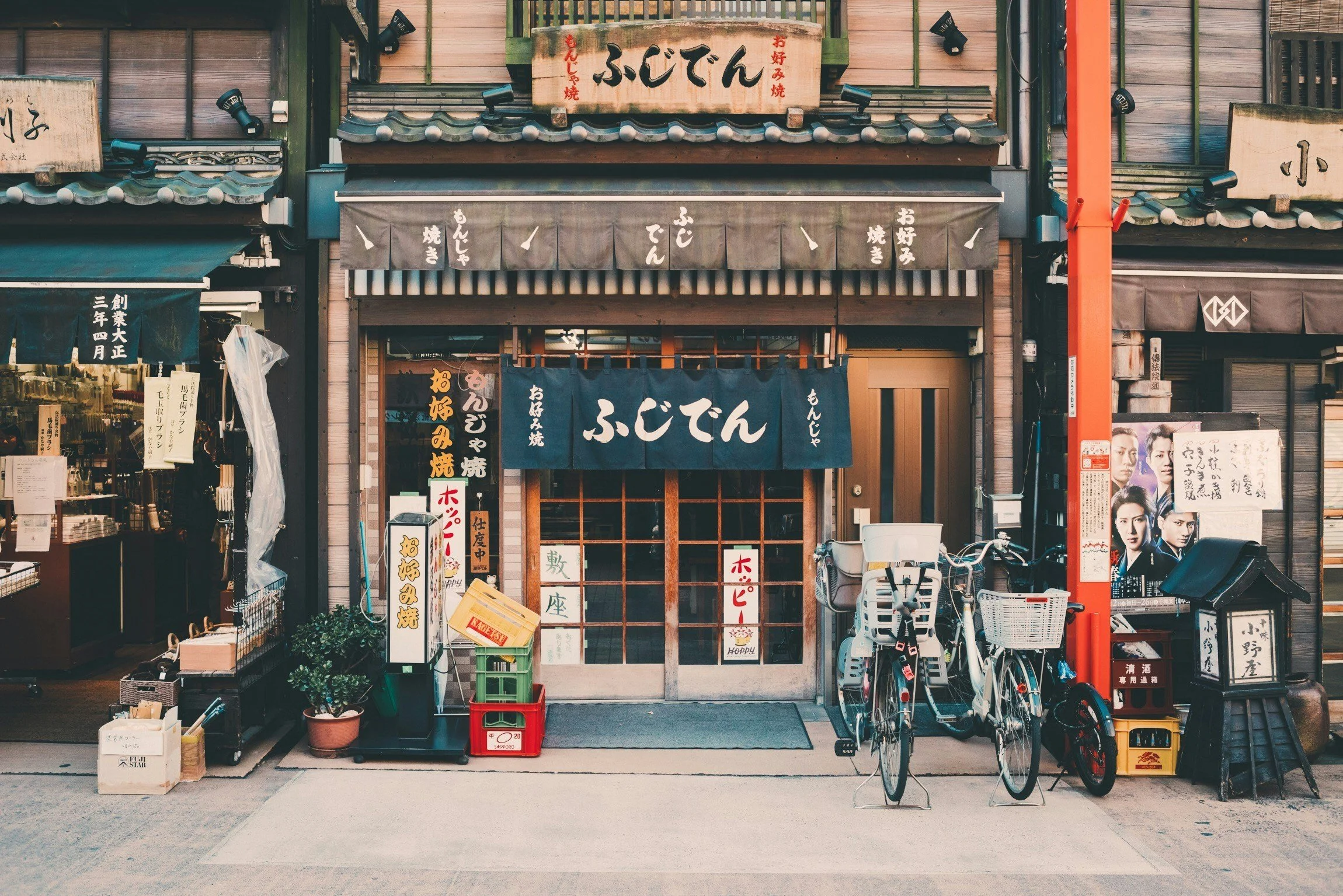
Planning a trip to Japan is exciting, but packing for it can be surprisingly tricky. Japan experiences four distinct seasons, and the weather can vary significantly depending on where you are traveling. Tokyo in spring feels very different from Hokkaido, while Kyoto can be hot and humid in summer and surprisingly cold in winter.
There is also another thing many first-time visitors underestimate: you will probably walk a lot. Between train stations, temples, shopping streets, viewpoints, and neighborhoods, comfortable clothing and shoes can make a huge difference to your trip.
After spending time in Japan, I learned that the best approach is not to overpack. Instead, pack versatile clothes, comfortable shoes, a lightweight outer layer, and a few practical items that will make everyday travel easier.
This guide covers what to pack for Japan in spring, summer, autumn, and winter, along with essentials that are useful regardless of when you visit.
Before You Start Packing: What Is Japan's Weather Like?
Japan has four main seasons:
Spring: March to May
Summer: June to August
Autumn: September to November
Winter: December to February
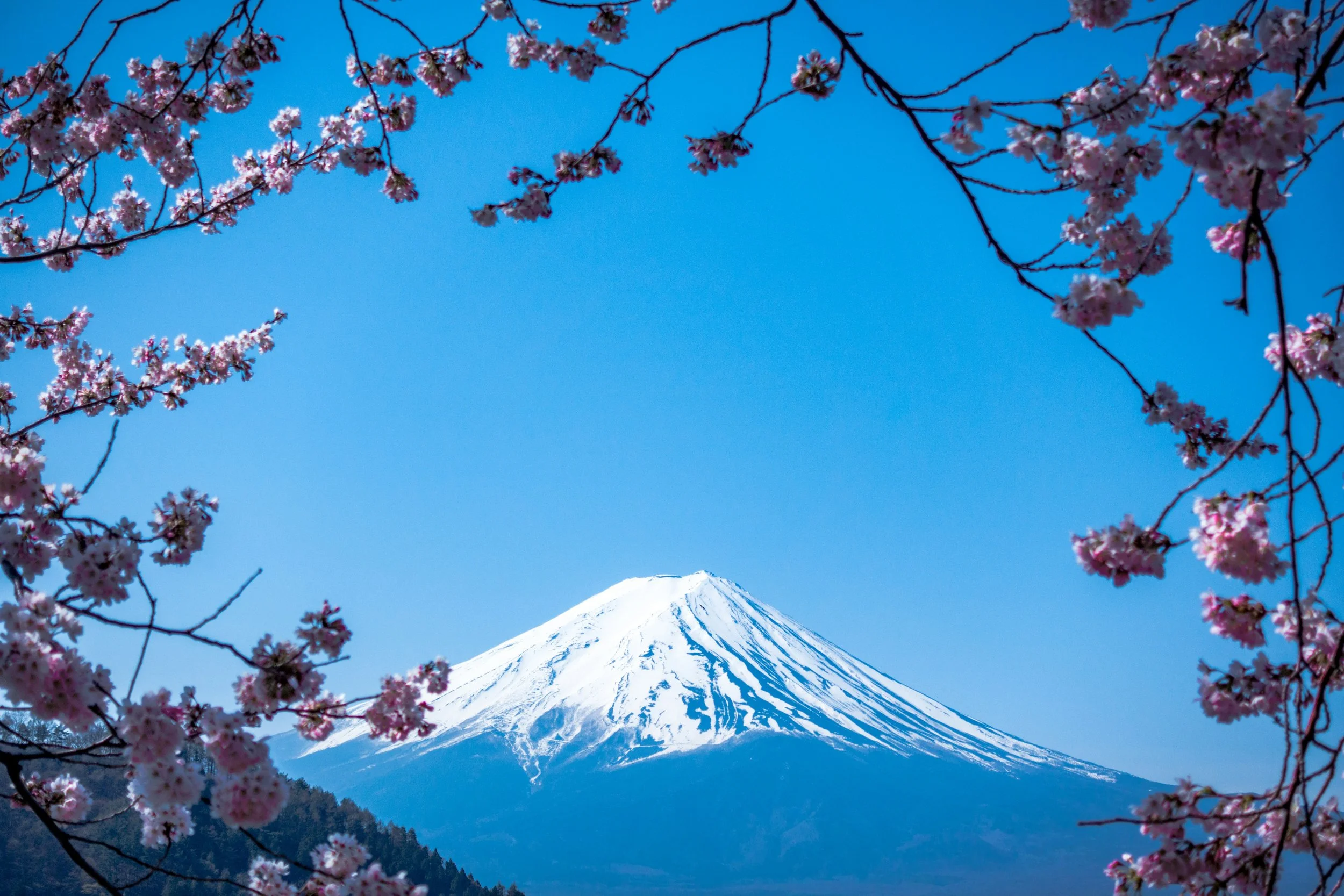
However, temperatures differ considerably between regions.
For example, Hokkaido can be extremely cold in winter, while Okinawa has a much warmer climate. Tokyo, Kyoto and Osaka generally have relatively similar seasonal patterns, although Kyoto can feel particularly hot in summer and cold in winter.
Japan also experiences a rainy season, usually from around June to July, and typhoons can affect parts of the country during late summer and early autumn.
So, before packing, check the forecast for each destination on your itinerary, rather than assuming that the entire country will have the same weather.
Japan Packing Essentials for Every Season
Regardless of when you visit Japan, there are certain things I would recommend bringing.
1. Comfortable Walking Shoes
This is probably the most important thing on your Japan packing list.
You may walk much more than you expect. Even when using trains and public transportation, stations can be huge, and you may find yourself walking several kilometers throughout the day.
Choose:
Comfortable sneakers
Supportive walking shoes
Shoes that you have already broken in
Lightweight shoes that are easy to remove
I would not recommend taking a brand-new pair of shoes to Japan.
You may also encounter traditional restaurants, temples, ryokans, or other places where you need to remove your shoes, so something that is easy to take off is useful.
2. Comfortable Everyday Clothes
Japan is generally quite casual, especially in major cities.
Pack clothes that you can mix and match rather than taking a separate outfit for every day.
Good options include:
T-shirts
Comfortable trousers
Jeans
Lightweight tops
Casual dresses
Cardigans
Shirts
A light jacket
Neutral colors and simple layers work particularly well because they allow you to create multiple outfits from a small number of pieces.
3. A Lightweight Day Bag
A small backpack or crossbody bag is incredibly useful.
You may want space for:
Phone
Wallet
Passport
Power bank
Water bottle
Umbrella
Handkerchief
Small snacks
Shopping purchases
A comfortable backpack is especially useful if you are spending an entire day sightseeing.
4. Portable Power Bank
Your phone will probably become one of your most important travel tools.
You may use it for:
Google Maps
Train navigation
Translation
Restaurant searches
Digital tickets
Photos
Payments
Travel bookings
A power bank can be extremely useful on long sightseeing days.
5. Travel Adapter
Japan uses Type A plugs, with two flat parallel pins, and the standard voltage is 100V.
If your devices use a different plug type, bring a suitable travel adapter.
It is also worth checking whether your electronics are compatible with Japan's voltage before plugging them in.
6. Basic Medication
Bring the medications you normally use during travel rather than assuming you can easily replace everything once you arrive.
A small travel medicine kit can include things such as:
Pain reliever
Motion-sickness medication
Stomach medication
Bandages
Any regular prescription medication
Personal medications you may need
Keep prescription medication in its original packaging and check Japan's rules if you are carrying prescription or controlled medicines.
7. Comfortable Socks
This sounds like a small detail, but comfortable socks are surprisingly useful.
You may need to remove your shoes at:
Temples
Traditional restaurants
Ryokans
Some museums or attractions
Certain cultural experiences
So make sure your socks are comfortable and presentable.
8. Reusable Water Bottle
A reusable water bottle can be useful, particularly during warmer months.
Japan has many vending machines and convenience stores, so buying drinks is generally easy, but having your own bottle is convenient when you're sightseeing.
What to Pack for Japan in Spring
March to May
Spring is one of the most popular times to visit Japan, especially because of cherry blossoms.
However, spring weather can be unpredictable. March can still feel quite cold, while May can be pleasantly warm.
Spring clothing
Pack layers such as:
Long-sleeved tops
T-shirts
Jeans or trousers
Lightweight sweaters
Cardigans
A light jacket
Comfortable walking shoes
A light windcheater or packable jacket is particularly useful because it takes up very little room in your luggage and can protect you from cool winds.
If you are visiting in March or early April, bring a warmer layer as temperatures can still be chilly.
By May, you can generally transition toward lighter clothing.
What to Pack for Cherry Blossom Season
If you're visiting Japan specifically for cherry blossoms, remember that the weather may not be as warm as the photographs make it look.
For an early spring trip, consider:
Warm sweater
Light jacket
Scarf
Comfortable sneakers
Small umbrella
Layers that can be removed during the day
Cherry blossom viewing often involves spending a lot of time outdoors, sometimes early in the morning or in the evening, so an extra layer can make the experience much more comfortable.
What to Pack for Japan in Summer
June to August
Summer in many parts of Japan can be hot, humid and uncomfortable, particularly in Tokyo, Kyoto and Osaka.
If you are not used to humidity, you may find sightseeing more tiring than expected.
Summer clothing
Pack:
Lightweight cotton or linen tops
Breathable trousers
Shorts
Skirts
Dresses
Comfortable sandals
Breathable sneakers
Lightweight sleepwear
Choose fabrics that dry quickly and don't feel heavy in humid weather.
Pack a Small Umbrella
Summer overlaps with Japan's rainy season, particularly around June and July.
A compact umbrella is therefore one of the most useful things you can carry.
You can also buy umbrellas easily in Japan, but having a small one in your luggage means you are prepared from the moment you arrive.
Don't Forget Sun Protection
Summer sightseeing means spending a lot of time outdoors.
Pack:
Sunscreen
Sunglasses
Hat or cap
Lightweight clothing
Lip balm with SPF
A small towel or handkerchief is also useful because you may sweat considerably while walking around.
Summer Footwear
You might be tempted to pack only sandals, but I recommend bringing at least one pair of good walking sneakers.
You will still encounter plenty of walking, and some sightseeing areas are much easier to explore in supportive shoes.
What to Pack for Japan in Autumn
September to November
Autumn is one of my favorite seasons for traveling because temperatures become more comfortable and the fall colors make many parts of Japan incredibly beautiful.
September can still be quite warm, while November can feel distinctly cool.
Autumn clothing
Pack:
T-shirts
Long-sleeved tops
Lightweight sweaters
Jeans or trousers
Cardigan
Light jacket
Comfortable sneakers
For late November, consider bringing a warmer coat, particularly if you are traveling north.
Pack Layers for Autumn
Autumn is another season where layering works best.
For example:
T-shirt + cardigan + light jacket
You can remove the outer layers during the warmer part of the day and put them back on in the evening.
This is much more practical than packing several heavy outfits.
What to Pack for Japan in Winter
December to February
Winter packing depends heavily on where you are traveling.
Tokyo, Kyoto and Osaka can be cold, but Hokkaido and northern Japan can experience much more severe winter conditions.
If you're visiting Tokyo or Kyoto, you may need:
Warm coat
Sweaters
Long-sleeved thermal tops
Jeans or warm trousers
Warm socks
Scarf
Gloves
Comfortable closed shoes
For colder destinations, add:
Thermal base layers
Heavy winter coat
Warm hat
Insulated gloves
Waterproof winter boots
Extra warm socks
If You're Visiting Japan for Snow
If your itinerary includes places such as Hokkaido or the Japanese Alps, regular city winter clothing may not be enough.
You'll want:
Waterproof jacket
Waterproof shoes or boots
Thermal base layers
Warm gloves
Wool or thermal socks
Hat
Scarf
Moisture-resistant layers
Snowy destinations require more specialized packing than a winter trip to Tokyo.
What to Pack for Japan's Rainy Season
Japan's rainy season generally occurs around June and July, although the exact timing varies by region and year.
Rain can be persistent, so prepare for it rather than hoping you won't need an umbrella.
Pack:
Compact umbrella
Waterproof jacket or windcheater
Quick-drying clothes
Water-resistant shoes
Small waterproof pouch for electronics
A waterproof phone pouch can also be useful if you expect to spend long periods outdoors.
What to Pack for Japan as a Vegetarian
If you are vegetarian, I recommend planning your food options before your trip.
Japan has plenty of vegetarian-friendly food, but some dishes that appear vegetarian may contain fish-based ingredients such as dashi.
Before traveling, save a few vegetarian-friendly restaurants near the areas you'll be visiting.
You can also keep a few easy snacks in your day bag, particularly on long sightseeing days when you don't know when you'll find your next suitable meal.
Convenience stores are everywhere, but vegetarian options can vary, so some planning is helpful.
What Not to Pack for Japan
One of the biggest mistakes first-time visitors make is overpacking.
You don't need a huge suitcase filled with different outfits.
Avoid packing:
Too many shoes
Two or three versatile pairs are usually enough for most trips.
Too many outfits
Choose clothes that can be mixed and matched.
Heavy toiletries
Japan has convenience stores, pharmacies and department stores where you can buy many everyday products.
Bulky jackets in mild seasons
Layering with a lightweight jacket is often more practical.
Uncomfortable shoes
This deserves repeating. Your shoes can make or break your Japan trip.
A Simple Japan Packing List
Here's a practical starting point for a typical one- to two-week trip.
Clothing
5–7 tops
2–3 trousers/jeans
1–2 dresses or skirts, if you wear them
1–2 sweaters/cardigans
1 lightweight jacket
Sleepwear
Underwear
Socks
Comfortable walking shoes
Optional sandals
Travel essentials
Passport
Wallet
Travel documents
Phone
Power bank
Travel adapter
Earphones
Small day bag
Reusable water bottle
Weather essentials
Compact umbrella
Sunscreen
Sunglasses
Hat
Windcheater or light rain jacket
Personal care
Toiletries
Skincare
Basic medication
Prescription medication
Hand sanitizer
Tissues or handkerchief
Adjust this list depending on the season, your destination and whether you plan to do laundry during the trip.
Should You Pack a Large Suitcase for Japan?
If you're traveling between multiple cities, I would avoid bringing an unnecessarily large suitcase.
Moving between Tokyo, Kyoto, Osaka and other destinations can involve a lot of train travel and walking through stations.
A medium-sized suitcase that is easy to maneuver is often more convenient than an oversized one.
Packing cubes can also help keep your clothes organized.
And if you are traveling extensively, consider using Japan's luggage forwarding services between hotels. They can be incredibly convenient when you don't want to carry large bags on trains.
The Most Important Japan Packing Tip
If I had to reduce this entire article to one piece of advice, it would be this:
Pack for walking, layers and changing weather.
Japan is not necessarily a destination where you need a completely different outfit every day. Instead, focus on comfortable, versatile pieces that work together.
A good pair of walking shoes, a lightweight jacket, weather-appropriate clothing, a small day bag and your essential travel items will take you much further than a suitcase full of outfits you barely wear.
And before you leave, always check the weather forecast for each city on your itinerary. Japan's seasons are distinct, but the weather can vary considerably between regions.
Final Thoughts
Packing for Japan becomes much easier once you understand how much your itinerary and the season will influence what you need.
For spring, focus on layers and a light jacket.
For summer, prioritize breathable clothing, sun protection and rain gear.
For autumn, pack versatile layers that can handle changing temperatures.
For winter, bring warm layers and proper cold-weather gear, especially if you're heading north or visiting snowy areas.
Most importantly, don't forget your comfortable walking shoes. You may discover that they are the most valuable item in your entire suitcase.
Japan rewards travelers who are prepared, but you don't need to bring your entire home with you. Pack light, choose versatile clothing, prepare for the weather, and leave a little space in your suitcase for all the things you'll inevitably want to bring home.
The perfect Japan packing list isn't about packing more, it's about packing smarter.
