How My Small Japanese Apartment Felt Bigger Than Homes Twice Its Size
When people talk about Japanese homes, one of the first things they mention is size. Apartments are often compact, rooms are carefully measured, and every corner seems to have a purpose. But after living in Japan for a year, I realized something surprising: a home does not need to be large to feel spacious.
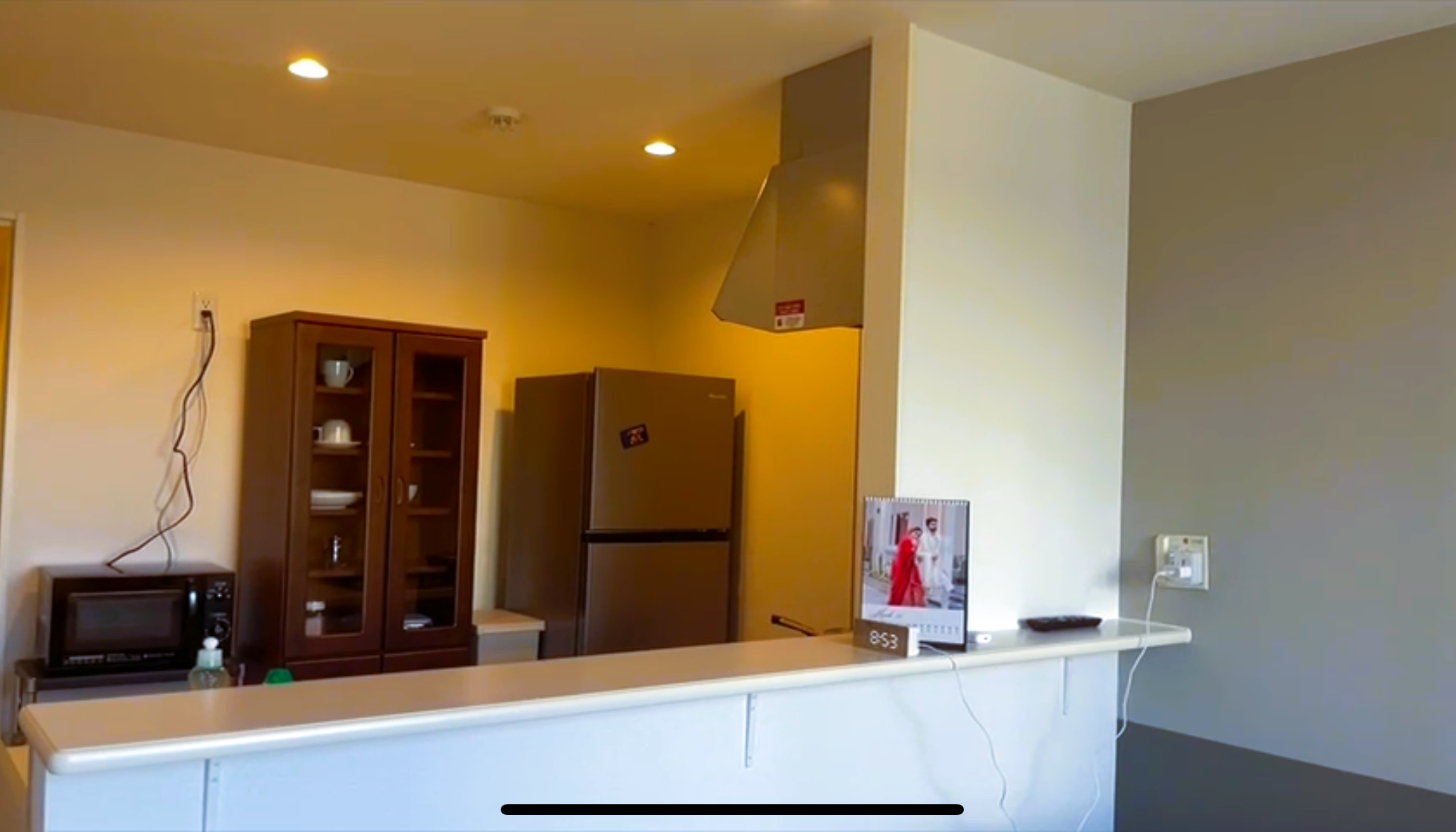
I lived in Hamamatsu with my husband in a company-provided 2BHK apartment. On paper, it was not a huge home, but in everyday life it felt calm, practical, and beautifully open. That experience changed the way I think about space. Japanese homes feel larger not because they have more square footage, but because they are designed with intention.
1. Open Layouts Make Small Homes Breathe
One of my favorite things about our apartment was the open kitchen layout. The kitchen and living room flowed into each other instead of feeling like two separate boxes. This made the main area feel social, warm, and visually bigger. I loved being able to cook while still feeling connected to the living space.
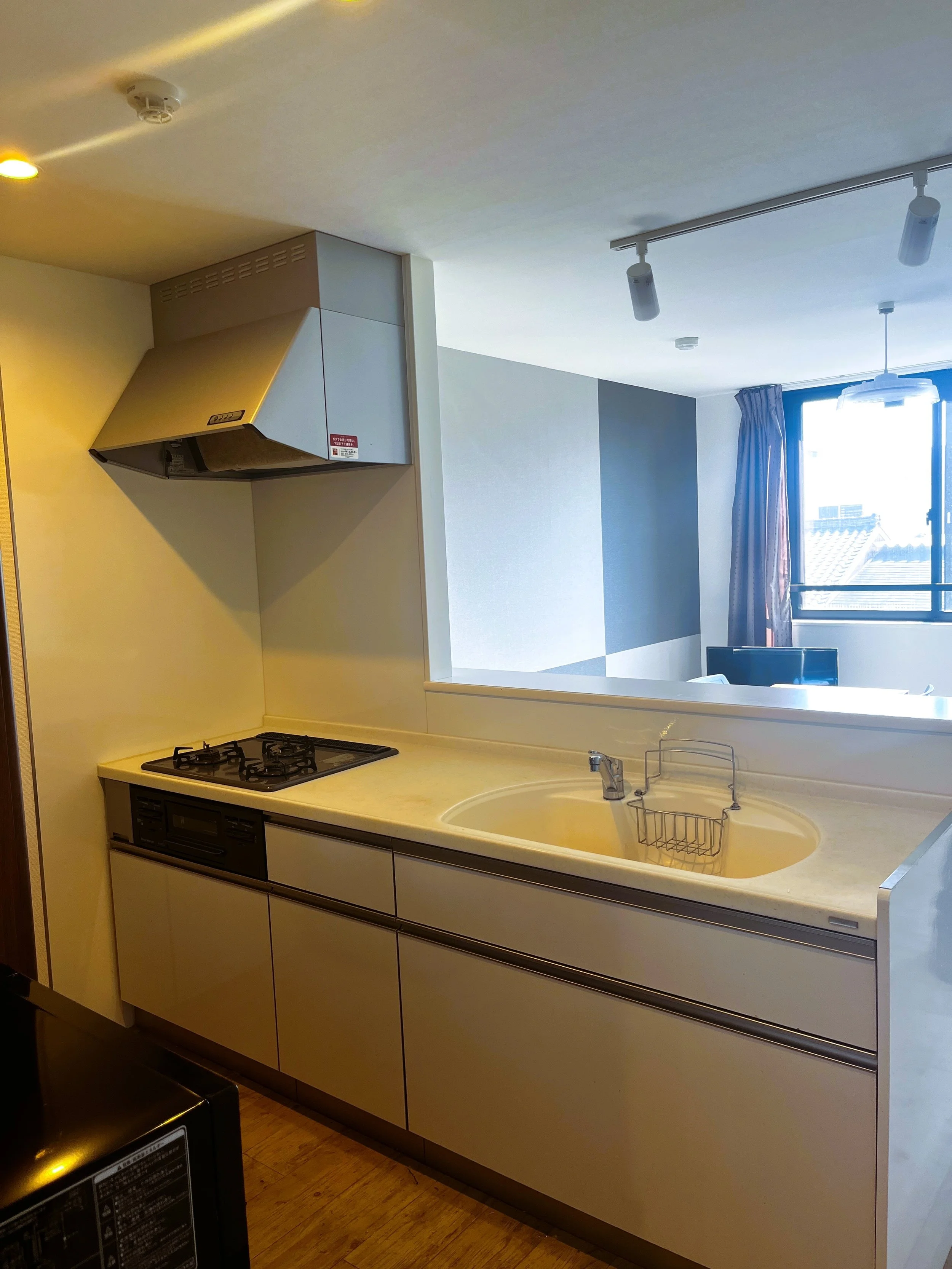
Many Japanese apartments use layouts such as LDK, meaning living, dining, and kitchen combined into one functional zone. This kind of planning reduces wasted corridors and allows one space to serve multiple purposes. Even if the actual area is compact, the eye travels farther, and the home immediately feels more open.
2. Sliding Doors Save Space Without Sacrificing Privacy
Sliding doors were another detail I found incredibly practical. Unlike regular doors, they do not need a swing area, so the floor remains usable. You can close off a room when you need privacy, but when the doors are open, the apartment feels connected and larger.
This is one of those design choices that feels simple until you live with it. In a small home, every inch matters. Sliding doors make the layout flexible, and flexibility is one of the biggest reasons Japanese homes work so well.
3. Minimal Furniture Creates Visual Calm
Japanese homes often feel spacious because people do not overfill them. The furniture tends to be practical, minimal, and chosen for daily use rather than decoration. During my time in Japan, I noticed how normal it was to live with less. The home did not feel empty; it felt breathable.
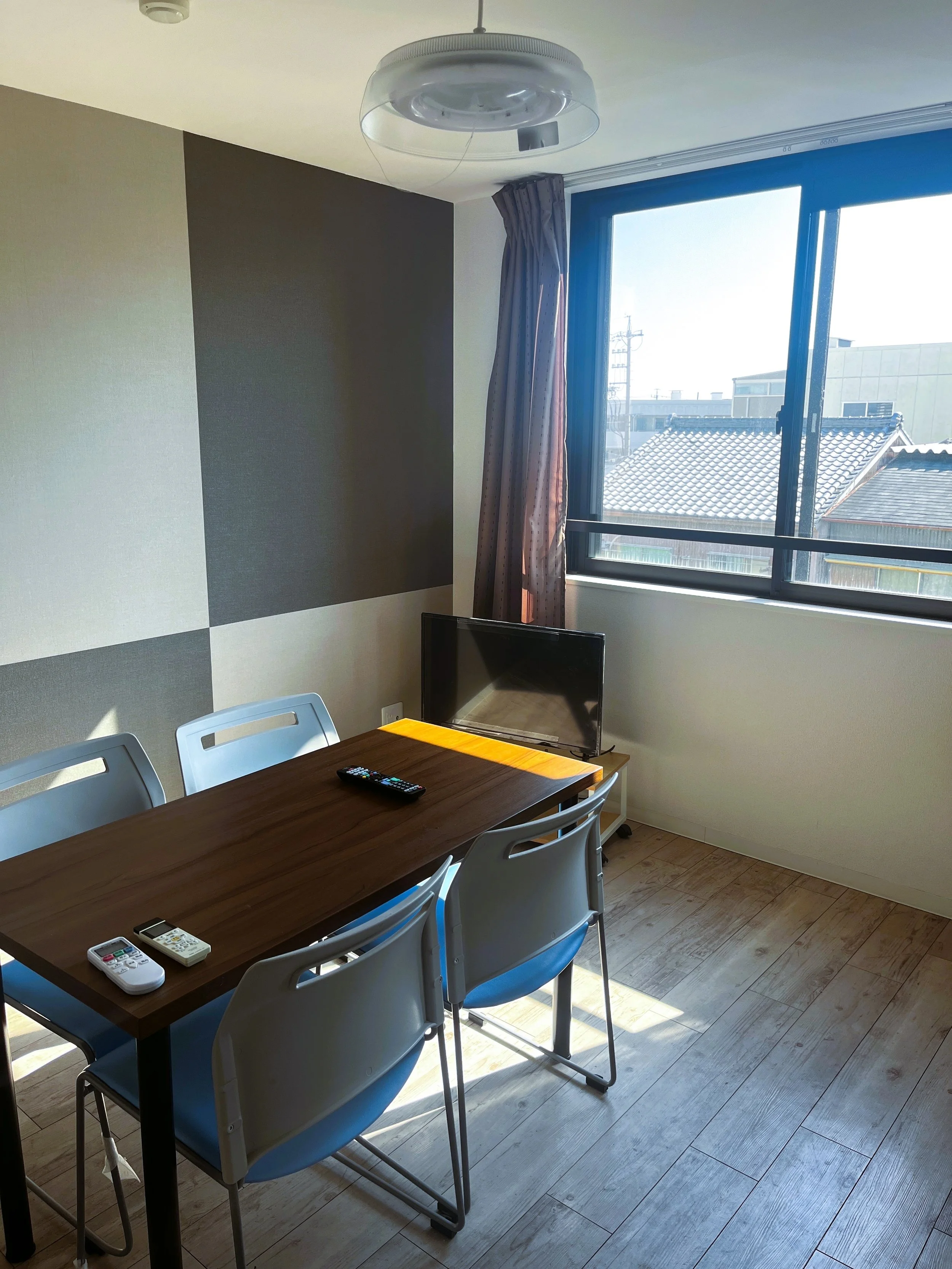
Minimalism in Japanese homes is not only an aesthetic choice. It is a way of protecting movement, light, and peace inside the home. When surfaces are clear and furniture is not bulky, even a compact room can feel relaxed.
4. White Interiors Reflect Light and Expand the Room
Our apartment had white walls, a white kitchen, and an overall clean color palette. That made a huge difference. White surfaces reflected light and gave the rooms a fresh, open feeling. Even with normal ceiling lights, the space never felt heavy.
I especially loved the warm yellow ceiling light. It softened the white interiors and made the apartment feel cozy instead of clinical. That balance of bright surfaces and warm lighting is one reason small Japanese apartments can feel both bigger and more comforting.
5. Storage Is Built Into the Way People Live
The entryway, or genkan, had a separate storage area, which I found very useful. It gave shoes, outdoor items, and small everyday things a clear place to go before entering the main living space. This small feature helped the apartment stay organized without extra furniture.
The entryway, or genkan, had a separate storage area, which I found very useful. It gave shoes, outdoor items, and small everyday things a clear place to go before entering the main living space. This small feature helped the apartment stay organized without extra furniture.
Japanese homes often feel bigger because clutter is managed at the source. Instead of adding storage later, the layout itself supports order. When storage is thoughtfully placed, the visible parts of the home remain clean and calm.
6. Separate Utility Zones Make Daily Life Easier
Another detail I loved was the separation of the bathroom and toilet. It may sound small, but it makes the home more functional, especially when two people live together. The washing area connected with the bathroom also made daily routines feel efficient and organized.
This kind of zoning is common in Japanese homes: bathing, washing, cooking, sleeping, and entering the house each have their own logic. When functions are clearly separated, the home feels easier to use. And when a home is easy to use, it automatically feels more spacious.
7. Quiet Windows and Clean Surroundings Add to the Feeling of Space
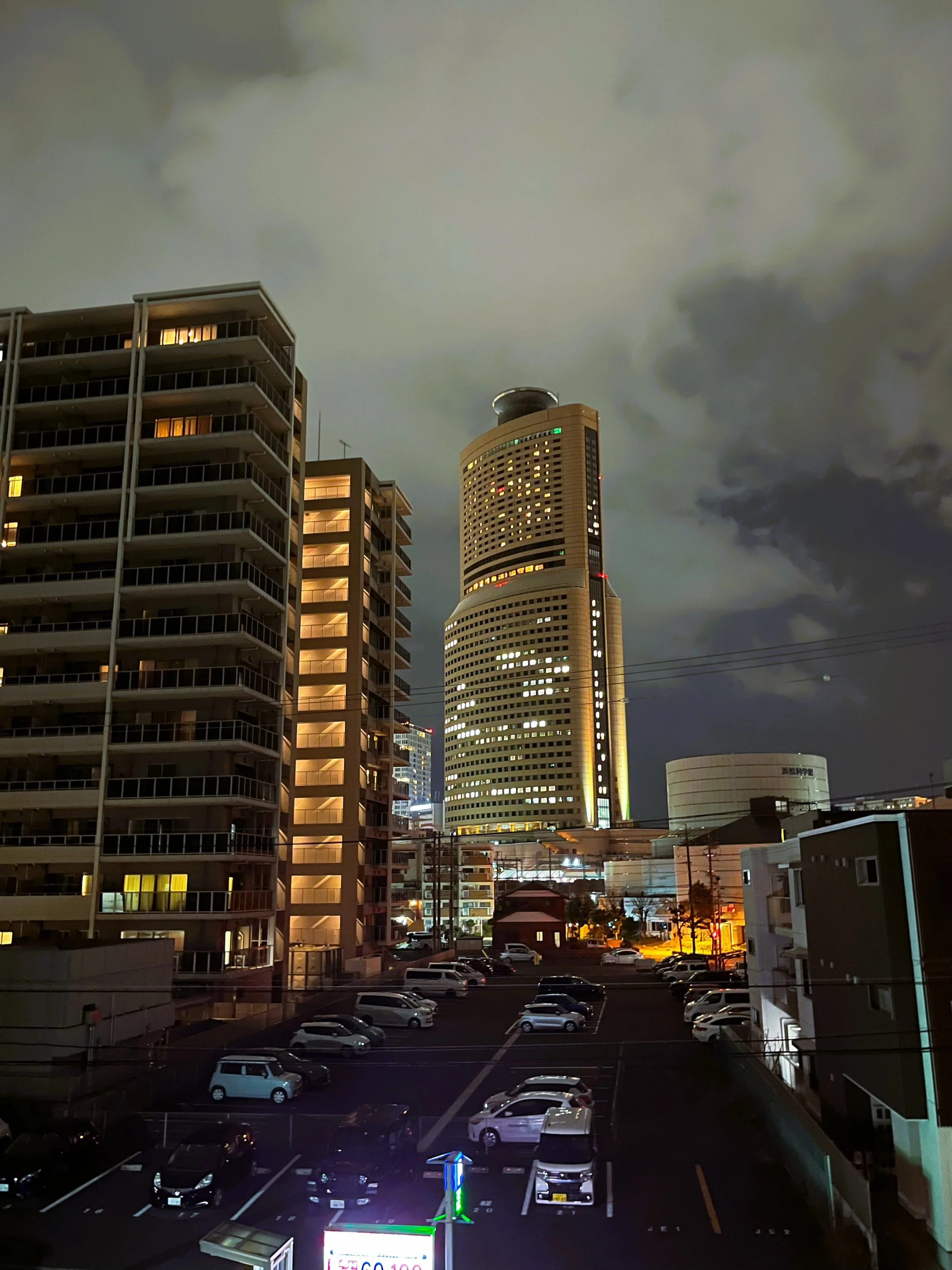
One unexpected thing I loved was the soundproof windows. They made the apartment feel peaceful, almost like a small retreat. Space is not only about what we see; it is also about what we hear. A quiet room feels larger because the mind can rest inside it.
Hamamatsu also gave me beautiful memories of clean weather and a calm everyday atmosphere. That feeling outside the home somehow entered the home too. The apartment felt nice not only because of its layout, but because the environment around it supported a simpler, cleaner way of living.
Img: view from our bedroom window ❤️
What Japanese Homes Taught Me About Space
Before living in Japan, I thought a bigger home automatically meant a better home. But my year in Hamamatsu taught me something different. A home feels large when it supports your daily life without getting in your way.
The open kitchen, sliding doors, white interiors, separate storage, practical bathroom layout, minimal furniture, and quiet windows all worked together. None of these details were loud or luxurious. But together, they created a home that felt thoughtful, comfortable, and surprisingly spacious.
Final Thoughts
Japanese homes feel larger despite being small because they are designed around clarity. There is less visual noise, less wasted space, and more respect for how people actually live. Every corner has a role. Every door, cabinet, and wall color contributes to the feeling of openness.
My apartment in Hamamatsu was not grand, but it was one of the nicest places I have lived in. It taught me that spaciousness is not always measured in square feet. Sometimes, it is measured in how peaceful, practical, and intentional a home feels.
