Common Japan Travel Mistakes to Avoid: Tips From a Year Living in Japan
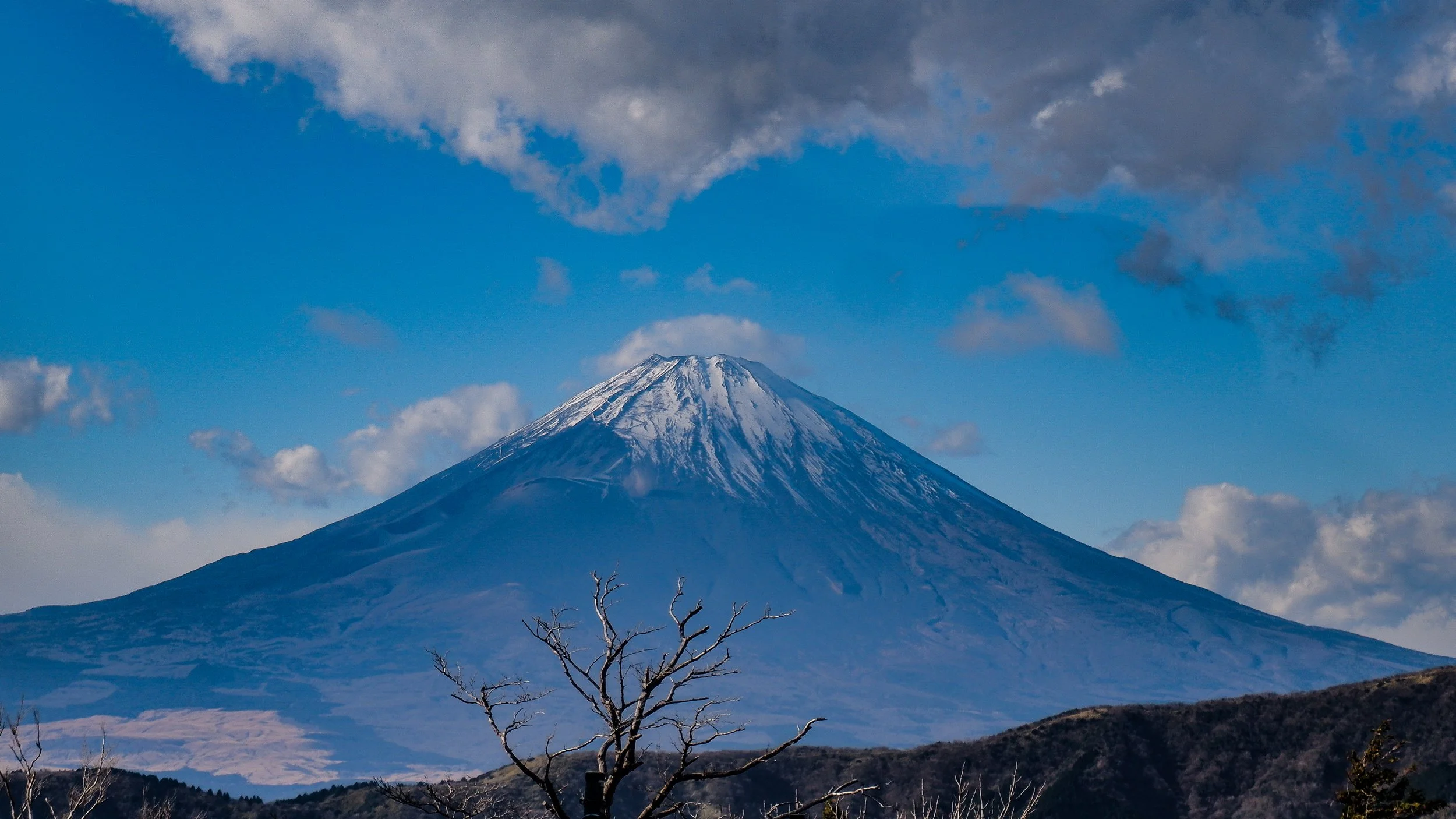
Hakone, Japan
Japan is a country that is incredibly easy to fall in love with, but planning a trip here can be very different from simply visiting as a tourist. There are little things you only learn once you've actually spent time navigating the country, figuring out train stations, walking through unfamiliar neighbourhoods, finding places to eat, and adjusting to the rhythm of everyday life.
I had the chance to live in Japan for a year, and during that time, I travelled across different parts of the country. From the busy streets of Tokyo to quieter towns, traditional destinations, and places far beyond the usual tourist routes, I learned that some of the best travel advice comes from the things you experience along the way.
Looking back, there are quite a few things I would do differently, or plan more carefully, if I were visiting Japan for the first time.
Some of these may seem like small details, but they can make a surprisingly big difference to how comfortable and enjoyable your trip feels.
So, if you're planning your first trip to Japan, here are some of the travel mistakes I learned to avoid during my year of living and travelling there.
1. Don't underestimate how much walking you'll do
This is probably one of the biggest mistakes I see people making when planning a Japan trip.
Japan is incredibly walkable, but that also means you can end up walking far more than you expect.
A typical day might involve walking from your hotel to the station, changing trains, walking through a huge station, exploring a neighbourhood, visiting a temple, walking through a shopping street, and then doing it all over again.
And Japanese train stations can be enormous.
One of the biggest lessons I learned from living and traveling in Japan is that comfortable shoes are not optional.
Leave the heels and uncomfortable sandals at home unless you have a specific occasion for them. Your best choice is a good pair of comfortable sports shoes or walking shoes.
You may think you'll only walk 10,000 steps a day. Then Japan happens.
By the end of the day, you'll be very grateful for those sneakers.
2. Don't pack only for the temperature

Japan's weather can be surprisingly unpredictable, and temperature isn't the only thing you need to consider.
Wind can make a perfectly comfortable day feel completely different.
During my time in Japan, I learned to keep a lightweight windcheater or windproof jacket handy, depending on the season. I personally find the UNIQLO Ultra Light Jacket a great option, it is incredibly lightweight, easy to carry, and can be folded and compressed into a tiny pouch that you can simply keep in your day bag. So even if the weather looks fine when you leave your hotel, you can carry it with you without adding much weight. And when the wind suddenly picks up, which happens quite often in Japan, you'll be very glad you have it with you.
This is especially useful during transitional seasons and periods of rain. Even when the temperature doesn't seem particularly low, strong winds can make it feel much colder.
And Japan can get very windy.
There were days when walking outside genuinely felt like I was living through a mini cyclone.
Of course, during the peak of summer, you probably won't want to carry a windcheater around all day. But for spring, autumn, and rainy or transitional periods, having a lightweight layer with you can be incredibly useful.
My advice: Don't just check the temperature before your trip. Check the wind, rain, and overall weather conditions as well.
3. Don't make a rough itinerary—plan your route in detail
One mistake I would definitely avoid when travelling around Japan is making a very general itinerary.
For example, writing:
9:00 AM – Imperial Palace
12:00 PM – Lunch
2:00 PM – Ginza
might look like a perfectly good plan.
But when I was living in Japan, I learned that planning a Japan itinerary works much better when you get very specific about the actual route.
If I was visiting a place such as the Imperial Palace, I wouldn't just write "Imperial Palace" in my itinerary. I would check exactly which entrance or exit I needed, which train station was closest to that particular gate, and which exit number I should take from the station.
So my itinerary would look more like:
Imperial Palace → Exit from [specific gate] → Walk to [nearest station] → Take Metro → Exit from [specific exit number] → Walk to restaurant
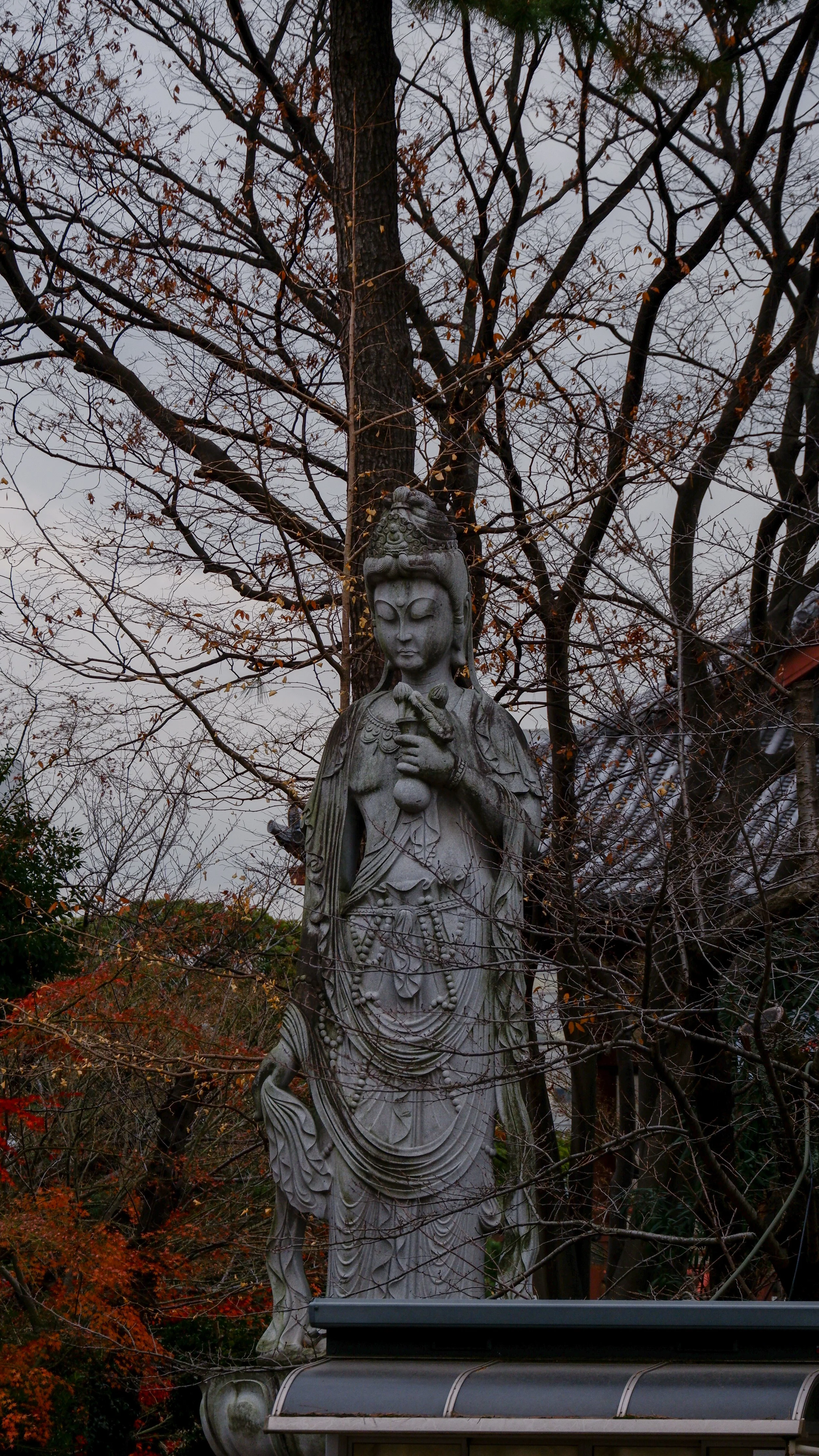
Imperial Palace, Tokyo, Japan
It may sound excessive when you're planning your trip at home, but once you're actually in Japan, you'll appreciate this level of preparation.
Large Japanese train stations can have multiple exits, and choosing the wrong one can sometimes mean adding a significant amount of unnecessary walking to your day. When you're already walking 15,000–20,000 steps, those extra minutes, and extra kilometres, really matter.
I would even recommend saving the exact station exit number in your itinerary.
Then, when you're ready to leave a place, you don't have to stand there figuring out where to go. You simply put the next destination or station exit into Google Maps and follow the route.
4. Plan your meals into the itinerary too
Another mistake is treating meals as something you'll "figure out later."
I wouldn't recommend that, especially when you're travelling around Japan with a packed itinerary.
You might think, "We'll have lunch whenever we get hungry."
But then you're exploring a neighbourhood, visiting a temple, taking photos, walking to the next attraction, and suddenly it's 3 PM and you haven't eaten anything.
This is especially important if you're vegetarian.
Japan is not a country where you can simply walk into any restaurant and expect to find a proper vegetarian meal. Many traditional Japanese dishes contain fish, seafood, or dashi (fish stock), even when the dish itself may appear vegetarian at first glance. So, if you're travelling as a vegetarian, you really need to plan your meals in advance. One option is to look for Indian restaurants, which are generally a reliable choice for vegetarian food. Another option I found useful was Saizeriya, an Italian family restaurant chain, where you can find a few vegetarian-friendly options.
When I was living there, I made sure to mark a specific restaurant in my itinerary for each day. Because we planned our meals this carefully, we never really had a problem finding lunch or dinner, even as vegetarians.
Instead of simply writing "Lunch – 1 PM" in our itinerary, we would decide beforehand where we were going to eat based on where we would be at that time.
For example:
11:30 AM – Finish visiting Attraction A
↓
Walk 10 minutes to Station X
↓
Take the metro for 2 stops
↓
Exit from Exit 3
↓
1:00 PM – Lunch at a specific Indian restaurant
↓
2:00 PM – Walk to Attraction B
We would often have a specific Indian restaurant marked in our itinerary for each day, depending on the area we were visiting. That meant we already knew where we could have a proper vegetarian meal without having to spend time searching for one when we were hungry.
And honestly, this made a huge difference.
We didn't have to reach a particular neighbourhood and then start searching, "Where can I find vegetarian food here?" We already knew the restaurant, its location, how to get there, and what time we would be there.
So when you're planning your Japan itinerary, don't just plan the attractions.
Plan the route, station, station exit, walking distance, restaurant, and meal time as well.
It may sound overly detailed when you're sitting at home planning your trip, but once you're actually in Japan, you'll realise how useful it is.
My Japan planning rule
If I were planning a Japan trip again, I would think about the itinerary in this order:
Attraction → Exit/gate → Nearest station → Station exit number → Train route → Restaurant → Next attraction [making sure to mention the travel time including walking]
Rather than simply:
Attraction → Attraction → Attraction
And if you're vegetarian, I'd add one more step:
Check the restaurant and vegetarian options before you leave.
After living in Japan for a year, this is one of those things I learned through experience. Japan's transportation system is incredibly efficient, but to make the most of it, you need to know exactly where you're going, where you're eating, and how you're getting there.
5. Don't assume Tokyo is the same as the rest of Japan
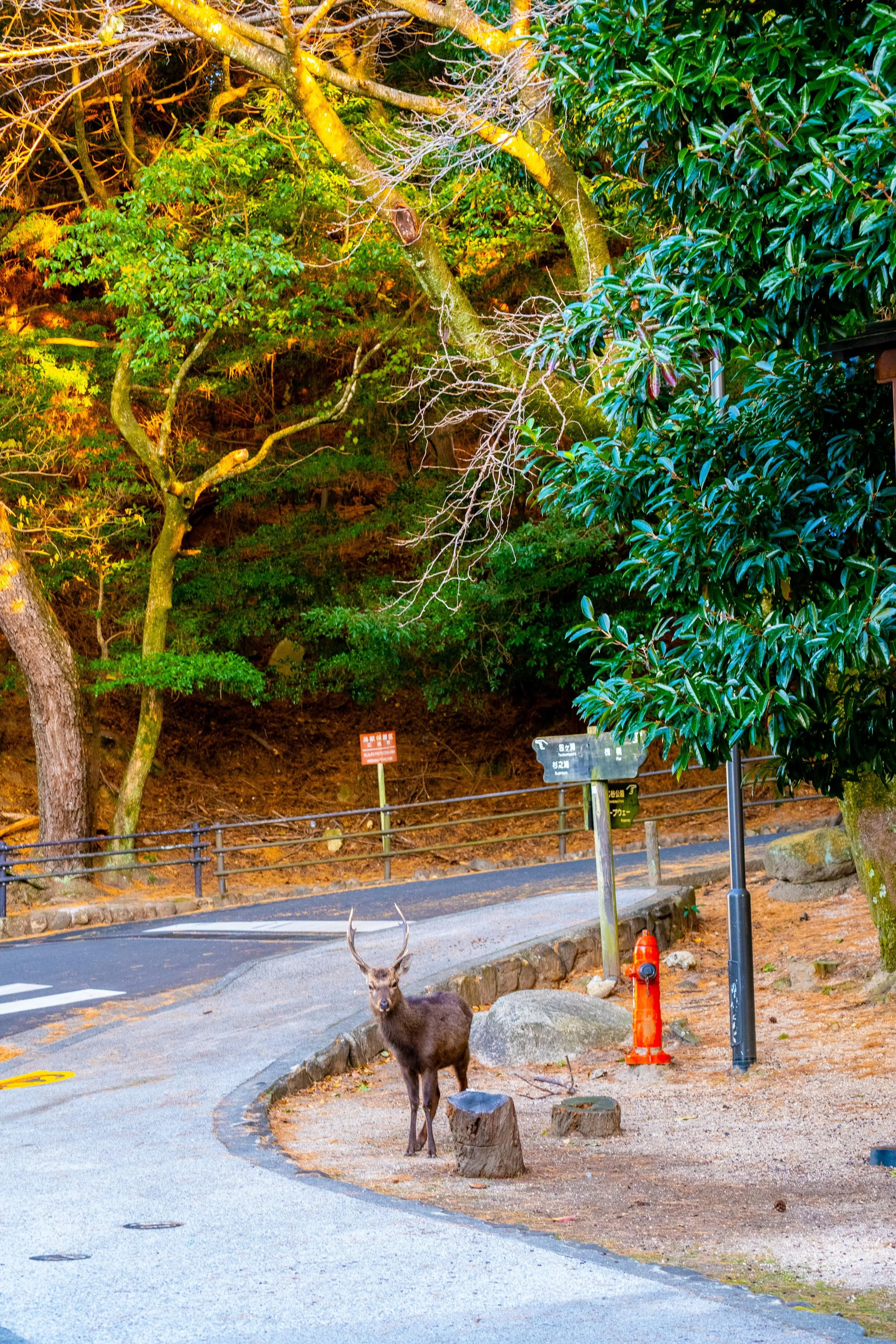
Miyajima Island/ Itsukushima, Japan
Tokyo is extraordinary, but it isn't a perfect representation of the entire country.
The pace, atmosphere, architecture, food culture, and even the overall feeling can change dramatically as you travel between different regions.
If your entire trip is limited to Tokyo, you'll experience one side of Japan—but there is so much more beyond the capital.
If you have enough time, consider adding destinations outside Tokyo to your itinerary.
Even travelling a few hours away can give you a completely different perspective on Japan.
6. Don't forget basic medication and something for those tired legs
Japan involves a lot of walking, and by the end of a long day, your feet and legs can definitely start hurting. I recommend carrying a compact pain-relief balm, patch, or any other leg or muscle pain relief that you normally use. It takes up very little space in your day bag and can be really useful after a long day of sightseeing.
I would also recommend carrying some basic medication with you for common situations such as fever, cold, headache, body ache, or stomach problems. Before travelling, speak to your usual doctor and ask what medications would be appropriate for you to carry during your trip. If you take any regular medication, make sure you have enough for the entire trip as well.
This is particularly useful in Japan because getting medication may not always be as straightforward as it is in India. Depending on the medicine, you may need to consult a doctor or obtain a prescription, and when you're on a holiday with a packed itinerary, you probably don't want to spend several hours trying to figure that out.
Having the appropriate medication with you means that if something minor happens during your trip, you already have an option available and don't have to lose valuable sightseeing time looking for a doctor or pharmacy.
Just make sure you check Japan's rules for bringing your particular medicines into the country and carry them in their original packaging, along with any prescription or doctor's documentation if required.
7. Don't rely entirely on taxis
Japan's public transportation system is one of the country's biggest advantages.
Trains, subways, and buses can take you almost everywhere you need to go, particularly in major cities.
Taxis can be convenient, but using them everywhere can quickly become expensive.
For most travellers, learning how to use Japan's train system will save both time and money.
That said, don't be afraid to use a taxi when it genuinely makes sense—especially when you're carrying heavy luggage, travelling late, or staying somewhere that isn't conveniently connected to public transportation.
8. Don't carry too much luggage
This is another lesson you'll appreciate once you've travelled around Japan.
If you're moving between several cities, your luggage will become your travel companion—and not always a pleasant one.
You'll be navigating train stations, stairs, narrow streets, hotel entrances, and sometimes crowded trains.
A huge suitcase can become a serious inconvenience.
If possible, travel with manageable luggage and take advantage of Japan's luggage-forwarding services when appropriate.
Packing light isn't just about convenience. It can make moving around Japan dramatically easier.
9. If you're travelling with parents, carry a portable stool
This is something I would strongly recommend if you're travelling with your parents or elderly family members.
In Japan, you will not only walk a lot, you will also stand a lot. Japan is a country of queues, and at popular attractions, restaurants, and especially theme parks such as Disneyland, DisneySea, and Universal Studios, you may find yourself standing in line for a long time.
If someone in your group cannot comfortably stand for an hour or two, this can become exhausting and can affect the entire day's plans.
I would recommend carrying a lightweight, foldable portable stool. There are small stools available that fold down compactly and can be carried like a small bag, so they don't take up much space and are easy to bring along while sightseeing.
It may sound like an unnecessary thing to pack when you're planning your trip, but trust me, having somewhere to sit while waiting in a long queue can make a huge difference.
If you're travelling with parents or anyone who finds prolonged standing difficult, a portable stool is one of those things you won't regret carrying.
10. Don't forget basic Japanese etiquette
You don't need to become fluent in Japanese before visiting Japan.
However, knowing a few basic etiquette rules can make your trip much smoother.
For example:
Avoid talking loudly on trains.
Don't eat while walking in places where it isn't customary.
Stand on the appropriate side of escalators where local practice requires it.
Don't litter.
Follow queues.
Don't enter restricted areas simply because other tourists are doing it.
Be mindful when taking photographs.
Keep your phone conversations quiet on public transportation.
Japan is a country where consideration for other people is deeply embedded in everyday life.
You don't need to know every rule. Just pay attention to what people around you are doing.
11. Don't expect tipping to work the way it does elsewhere
Japan generally does not have the same tipping culture found in countries such as the United States.
You don't normally need to leave an additional tip at restaurants, cafés, taxis, or hotels simply because you received good service.
In fact, trying to tip can sometimes create confusion.
Instead, a simple "arigatou gozaimasu", thank you, is more than enough.
12. Don't underestimate convenience stores
Japan's convenience stores, or konbini, deserve their own category.
Lawson, FamilyMart, 7-Eleven, and other convenience stores are incredibly useful when travelling.
You can find quick meals, snacks, drinks, toiletries, basic medicines, ATMs, and many other everyday necessities.
They're especially useful when you're travelling early in the morning or returning to your hotel late at night.
And yes, you should absolutely try some of the food.
13. Don't plan your entire trip around cherry blossoms

Universal Studios, Osaka, Japan
Cherry blossoms are beautiful, and understandably, many people dream of visiting Japan during sakura season.
But cherry blossom timing can vary depending on the year and location.
If you plan your entire trip around seeing peak blossoms on a specific date, there is always a chance nature won't cooperate.
Instead, think of cherry blossoms as a bonus rather than the sole reason for your trip.
Japan is beautiful in every season.
14. Don't forget that Japan has different climates across the country
Japan stretches a considerable distance from north to south, which means the weather can vary significantly between regions.
The conditions you're experiencing in Tokyo may be very different from what you'll find in Hokkaido, Okinawa, Kyoto, or other parts of the country.
If you're travelling across multiple regions, don't pack based only on the weather forecast for your arrival city.
Check each destination separately.
15. Don't expect everything to be open late
If you're used to cities where restaurants, shops, and attractions stay open late into the night, Japan may surprise you.
Opening hours can vary considerably, and some smaller restaurants and businesses close earlier than you might expect.
This is particularly important if you're visiting smaller towns or travelling outside major tourist areas.
Check opening hours before making a special trip.
Final Thoughts
After living in Japan for a year and travelling through different parts of the country, I've learned that the best Japan trips aren't necessarily the ones where you see the most places.
They're the ones where you give yourself enough time to actually experience them.
Wear comfortable shoes. Carry a light jacket when the weather calls for it. Don't overpack. Learn a little Japanese etiquette. Give yourself extra time at train stations. And most importantly, don't try to rush through the country.
Japan has a way of rewarding travellers who slow down and pay attention.
And if you make a few mistakes along the way, don't worry.
Some of the best travel lessons are the ones you only learn by being there.
