15 Passive Income Ideas for Artists That Actually Work (Even If You're Just Starting)

If you're an artist, you've probably had this thought at least once:
"What if I could make money even when I'm not actively creating new artwork?"
I know I have.
When I first started researching ways artists earn online, I assumed the only option was selling original paintings or taking commissions. But the deeper I went, the more I realized something important.
Many successful artists aren't making most of their income from selling originals anymore.
They're creating one piece of art and turning it into multiple income streams that continue paying them months, or even years later.
That completely changed how I look at creating art.
Instead of constantly asking, "What should I make next?" I started asking, "How many different ways can this artwork earn money?"
That's exactly what passive income is.
It doesn't mean you never work again.
It means you do the work once, and it continues generating income without starting from scratch every single time.
If you're an illustrator, painter, digital artist, calligrapher, designer, photographer, or simply someone who loves creating, this guide will walk you through the best passive income ideas in the simplest way possible.
Let's dive in.
What Is Passive Income?
Imagine you paint one beautiful watercolor flower.
Normally, you sell the original painting once.
You earn money one time.
Now imagine taking that same artwork and using it to create:
Art prints
Phone wallpapers
Stickers
Greeting cards
Calendars
Digital planners
Fabric patterns
Tote bags
Online classes
Suddenly, that one painting has become ten different products.
That's passive income.
You create once, but people can keep buying those products over and over again.
Of course, you'll still spend time setting everything up and occasionally updating your listings, but you won't have to recreate the artwork each time someone places an order.
Why Every Artist Should Build Passive Income
Being an artist is amazing, but it can also be unpredictable. Some months commissions are flowing in. Other months are completely quiet.
Passive income helps smooth out those ups and downs.
Here are a few reasons I believe every artist should start building at least one passive income stream:
You stop relying on client work alone.
You can earn while sleeping or traveling.
One artwork can make money for years.
You have more creative freedom.
Your income becomes more stable over time.
The best part?
You don't need thousands of followers to start.
Many artists begin with only a small audience.
1. Sell Digital Art Prints

This is one of the easiest passive-income ideas for artists.
Instead of mailing physical artwork, you sell a high-resolution digital file that customers can download instantly and print at home, at a local print shop, or through an online printing service.
Once your file is uploaded, customers can purchase it repeatedly without you having to pack, ship, or reproduce anything. This makes digital prints especially attractive for artists who want to build a scalable income stream.
You can sell digital art prints on platforms such as:
Etsy – One of the most popular marketplaces for printable wall art and digital downloads.
Creative Market – Great for illustrations, graphic art, and design-focused prints.
Gumroad – Useful if you want to sell directly to your audience without relying on a marketplace.
Payhip – An easy option for creating your own digital-product store.
Your own website – Platforms like Shopify or Squarespace allow you to sell digital downloads directly and keep more control over your branding and customers.
Redbubble, Society6, and Fine Art America – Better suited if you want your artwork printed and shipped to customers as physical wall art rather than selling the digital file itself.
People buy digital prints for:
Living rooms
Bedrooms
Nurseries
Home offices
Dorm rooms
Gallery walls
Gifts
Seasonal décor
Minimalist art, botanical illustrations, abstract artwork, line drawings, vintage-inspired designs, and motivational quotes can work particularly well as printable wall art.
A smart strategy is to create collections rather than individual prints, for example, a set of three botanical prints or a five-piece minimalist gallery wall. This increases the perceived value and gives customers an easy way to decorate an entire space.
2. Open a Print-on-Demand Shop
If you don't want to deal with inventory, packaging, or shipping, print-on-demand (POD) is an excellent option for artists.
Here's how it works:
Upload your artwork to a print-on-demand platform.
Choose the products you want to sell, such as T-shirts, mugs, tote bags, notebooks, posters, phone cases, or cushions.
Create your product listings and set your prices.
A customer places an order.
The print-on-demand company prints the product, packages it, and ships it directly to the customer.
You earn the profit or royalty from the sale.
Popular platforms where artists can sell print-on-demand products include:
Redbubble – Easy for beginners and offers a wide range of products.
Society6 – Particularly popular for art prints, home décor, and lifestyle products.
Printful – Lets you connect your designs to an online store and gives you more control over your branding.
Printify – Offers a large network of print providers and product options.
Gelato – Useful for international selling, with local production in multiple countries.
TeePublic – Particularly suitable for illustrations, graphic designs, and T-shirt artwork.
Zazzle – Offers a broad range of customizable products.
You can also connect platforms such as Printful, Printify, or Gelato to your own Shopify or Squarespace store, giving you more control over your brand and customer experience.
The biggest advantage is that you don't need to buy or store inventory upfront. The product is only made when someone places an order.
This makes print-on-demand one of the lowest-risk ways for artists to turn their artwork into physical productswithout investing heavily in stock, warehousing, or fulfillment.
3. Create Printable Products
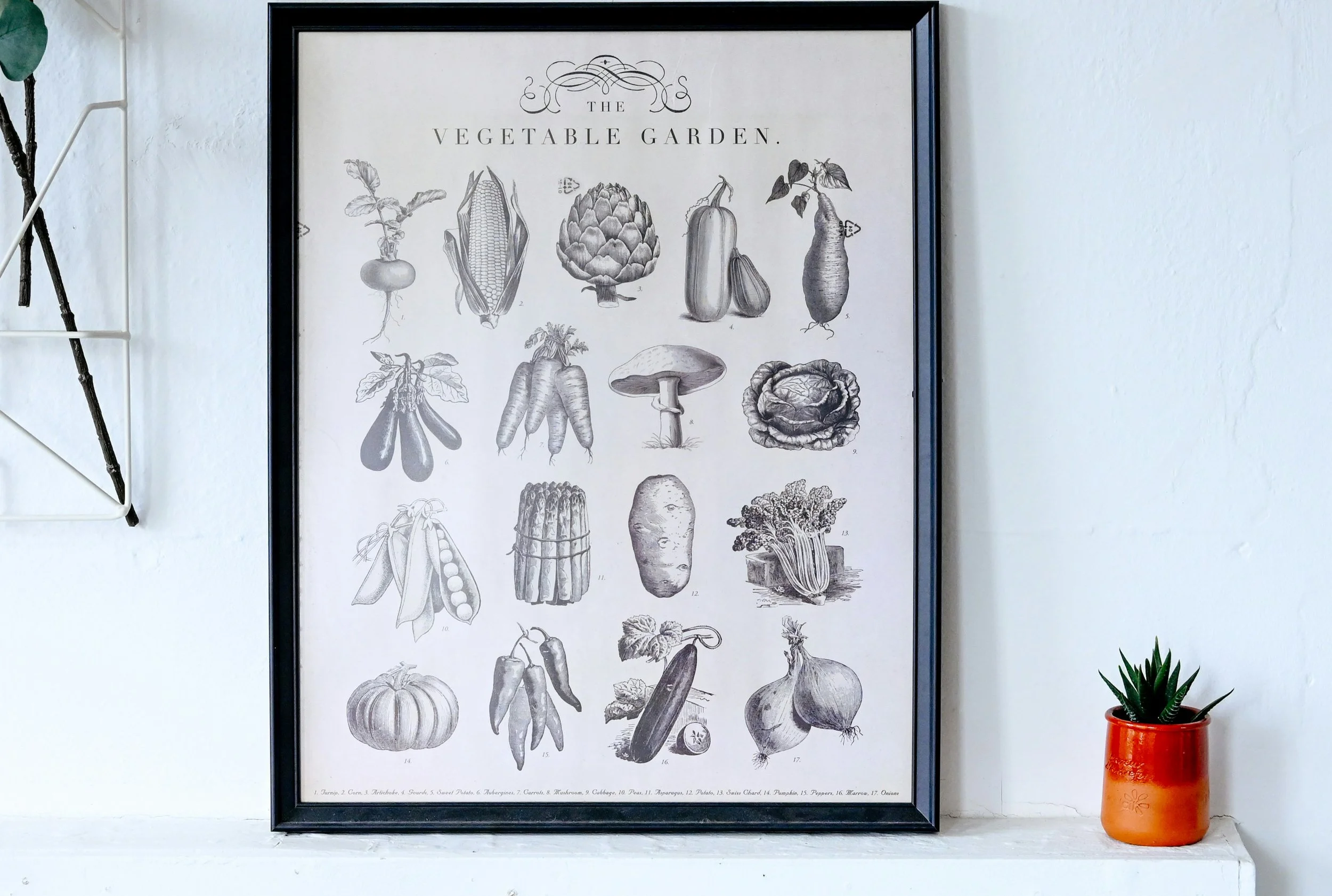
Printables are incredibly popular because they are affordable, instantly downloadable, and easy for customers to use at home. For artists, they are also a great way to turn creative skills into products that can be sold repeatedly without inventory or shipping.
You can create and sell:
Coloring pages
Printable wall art
Planners
Calendars
Habit trackers
Journaling pages
Wedding signs and stationery
Party decorations
Kids' activity sheets
Educational worksheets
Greeting cards
Quote prints
Digital scrapbook elements
You can sell these products on platforms such as:
Etsy – One of the best-known marketplaces for printable and digital products.
Creative Market – Suitable for artistic, graphic, and design-focused printables.
Gumroad – Good for selling directly to your audience.
Payhip – A simple option for setting up a digital-product store.
Teachers Pay Teachers – Particularly useful for educational worksheets and children's activity materials.
Your own website – Selling through Shopify or Squarespace gives you greater control over your branding and customer relationships.
You can also create bundles to increase the value of your products, for example, a 30-page coloring book, a complete wedding stationery set, or a printable planner bundle.
The best part is that you create the product once and can sell the same digital file repeatedly. With a good design, strong keywords, and an evergreen niche, one printable can continue generating sales for years with very little ongoing work.
4. License Your Artwork
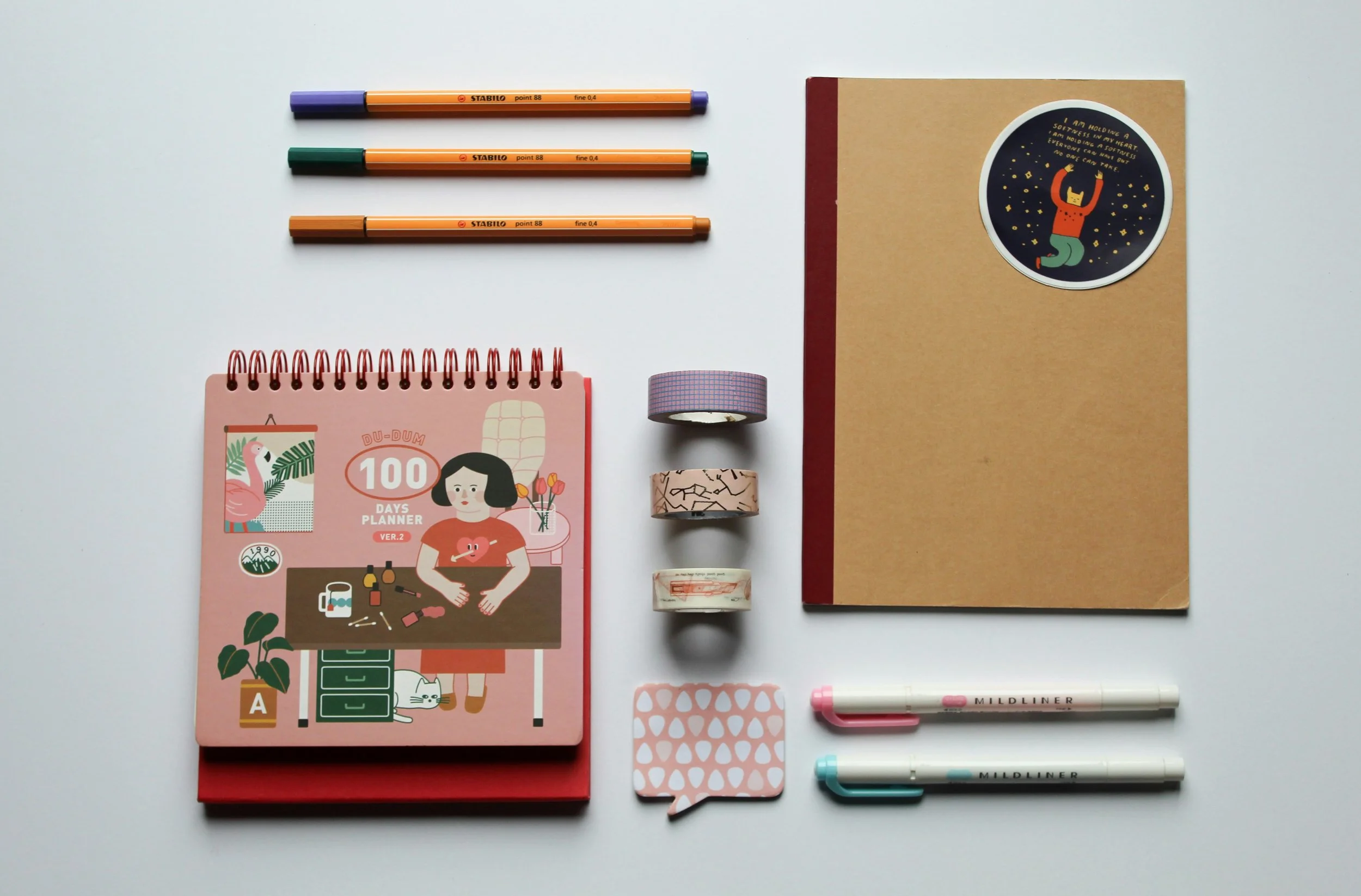
Art licensing is a great opportunity that many beginner artists don't even know exists.
Instead of selling your artwork permanently, you grant a company permission to use your designs for a specific purpose, product, period, or market while retaining ownership of the original artwork.
For example:
A greeting card company may license your floral illustration.
A stationery brand may use your artwork on notebooks, journals, or planners.
A fabric company may print your designs on textiles.
A home décor company may use your artwork on cushions, wallpaper, or bedding.
A gift company may use your illustrations on mugs, calendars, or other products.
A publishing company may license your illustrations for books or magazines.
You can find licensing opportunities through platforms and marketplaces such as:
ArtLicensing.com – A marketplace connecting artists with companies looking for artwork to license.
MHS Licensing – Represents artists and helps connect their work with manufacturers.
Jewel Branding & Licensing – Works with artists and brands on licensing opportunities.
Licensing Expo – A major industry event where artists, brands, manufacturers, and licensing professionals connect.
Your own website and portfolio – You can also approach brands directly with a professional licensing portfolio.
Depending on the agreement, you may earn a one-time licensing fee, ongoing royalties, or a combination of both.
The important thing is that licensing usually allows you to retain copyright ownership while giving the company specific rights to use your artwork.
This makes art licensing one of the most attractive long-term income streams for artists because the same artwork can potentially be licensed to different companies, products, markets, or territories, depending on the terms of your agreements.
5. Sell Surface Pattern Designs
If you enjoy creating repeating patterns, motifs, and decorative illustrations, surface pattern design can become a fantastic income stream for artists.
Your designs can be applied to a wide range of products, including:
Fabric
Wallpaper
Wrapping paper
Bedding
Cushions
Curtains
Rugs
Clothing
Tableware
Stationery
Home décor
Gift packaging

You can sell your patterns through platforms such as:
Spoonflower – One of the most popular platforms for selling surface patterns on fabric, wallpaper, and home décor.
Contrado – Allows artists to sell designs on a wide range of products and textiles.
Patternbank – A marketplace focused specifically on surface pattern and textile design.
Creative Market – Useful for selling digital pattern collections directly to designers and businesses.
Etsy – Suitable for selling downloadable seamless patterns and digital design bundles.
Your own website – You can sell pattern collections directly or use your portfolio to attract brands looking for licensing opportunities.
You can also approach fabric manufacturers, wallpaper companies, stationery brands, fashion companies, and home décor businesses directly and license your pattern collections.
A strong strategy is to create coordinated collections rather than individual patterns, for example, a collection with 6–12 complementary floral, geometric, or botanical designs. Brands are often more interested in cohesive collections that can be used across multiple products.
The best part is that a single pattern can potentially generate income across multiple products and markets, making surface pattern design a scalable income stream for artists who enjoy creating decorative artwork.
6. Create an Online Art Course

If you have a skill that you can teach, creating an online art course can turn your knowledge into a scalable source of income.
You could create a course around almost any artistic skill, such as:
Watercolor painting
Acrylic painting
Digital illustration
Sketching
Gouache painting
Calligraphy
Procreate
Drawing fundamentals
Composition
Color theory
Botanical illustration
Surface pattern design
You can record your lessons once and sell access to them repeatedly, without having to teach the same class live every time.
Platforms where you can create and sell online courses include:
Udemy – A large marketplace where students can discover and purchase courses.
Skillshare – Particularly popular for creative and artistic classes.
Teachable – Allows you to create your own branded online school and sell courses directly.
Thinkific – Useful for building a more customized course platform.
Podia – Lets you sell courses, digital products, memberships, and other content.
Your own website – You can sell courses directly through platforms such as Shopify or Squarespace with the appropriate digital-product or course integration.
You can also increase the value of your course by including workbooks, downloadable templates, practice sheets, project files, reference images, or bonus lessons.
For example, instead of simply creating a "Watercolor Basics" course, you could offer a complete 30-Day Watercolor Challenge with daily lessons, exercises, reference sheets, and a final project.
The initial work can be substantial, but once your course is created and marketed effectively, new students can continue enrolling without you having to recreate the lessons.
The key is to solve a specific problem or help students achieve a clear result. A focused course such as "Learn Botanical Watercolor in 30 Days" can be easier to market than a broad course simply called "Watercolor Painting."
7. Sell Brushes, Templates, and Design Resources
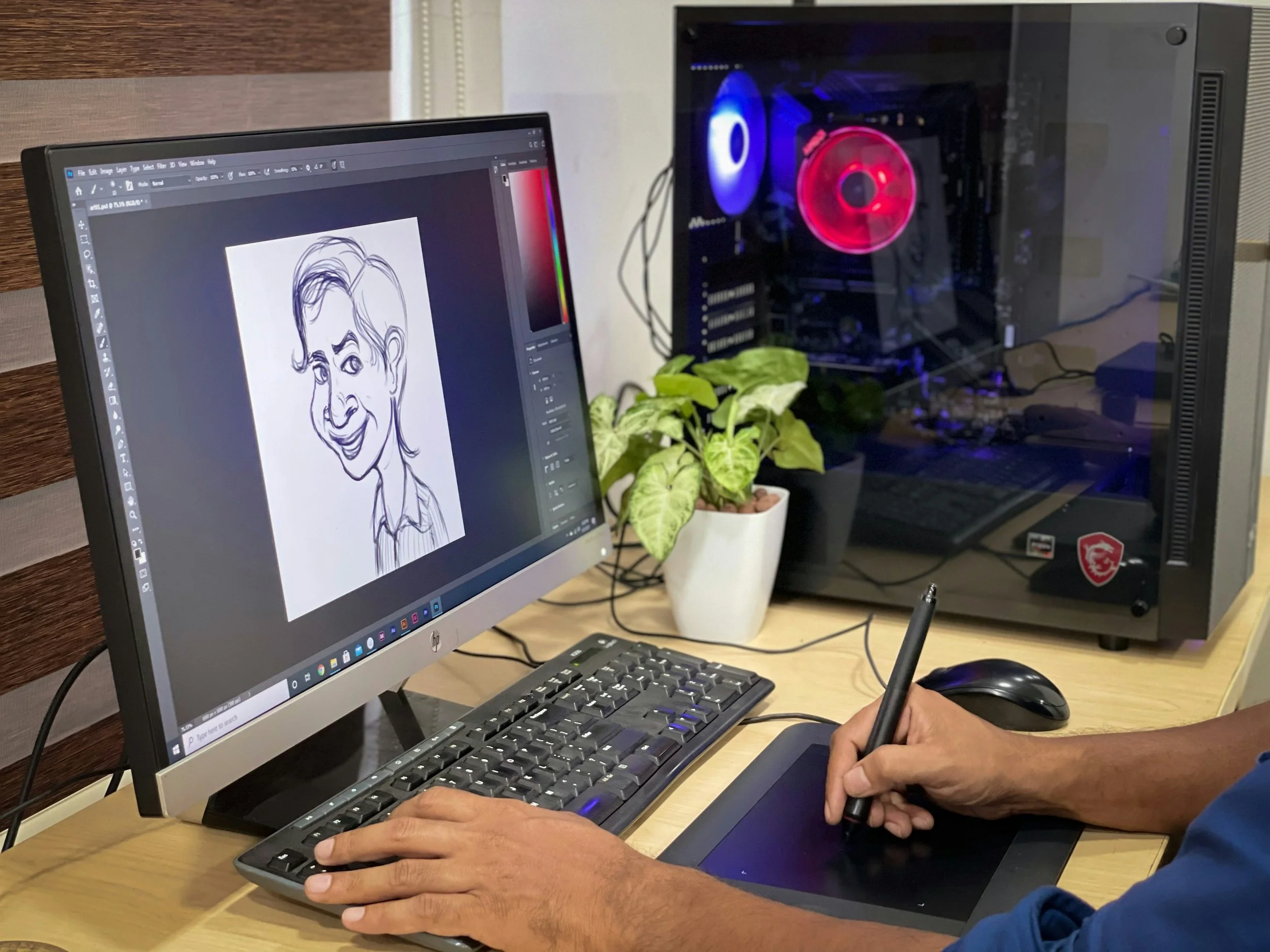
If you work digitally, selling creative resources and design assets can be a fantastic way to monetize your skills beyond selling finished artwork.
You can create and sell products such as:
Photoshop brushes
Procreate brushes
Illustrator brushes and assets
Clip-art collections
Texture packs
Digital paper
Seamless patterns
Mockups
Color palettes
Canva templates
Social media templates
Presentation templates
Fonts and lettering resources
Lightroom presets
Popular platforms for selling these resources include:
Creative Market – One of the most popular marketplaces for fonts, graphics, templates, illustrations, and other creative assets.
Envato Elements / GraphicRiver – Suitable for a wide range of design resources and digital assets.
Gumroad – Great for selling directly to your audience and building your own product catalog.
Etsy – Particularly useful for Procreate brushes, Canva templates, clip art, digital papers, and other downloadable products.
Design Bundles – Focused on graphics, fonts, SVGs, craft files, and design resources.
Creative Fabrica – Particularly useful for fonts, graphics, illustrations, patterns, and craft-related digital products.
Your own website – You can sell directly through your website and build your own brand rather than relying entirely on marketplaces.
You can also create bundles to increase the value of your products, for example, a "100 Botanical Procreate Brushes" bundle or a complete "Watercolor Texture Pack."
The biggest advantage is scalability. You create the digital resource once, and the same file can potentially be sold hundreds or thousands of times without manufacturing, inventory, or shipping costs.
For artists, this can be particularly powerful because you're not only selling your artwork, you are selling the tools and resources that other artists and designers can use to create their own work.
8. Publish a Coloring Book
Coloring books can be a great way for artists to turn their illustrations into a repeatable income stream, particularly if you enjoy creating line art, mandalas, botanical illustrations, animals, or intricate patterns.
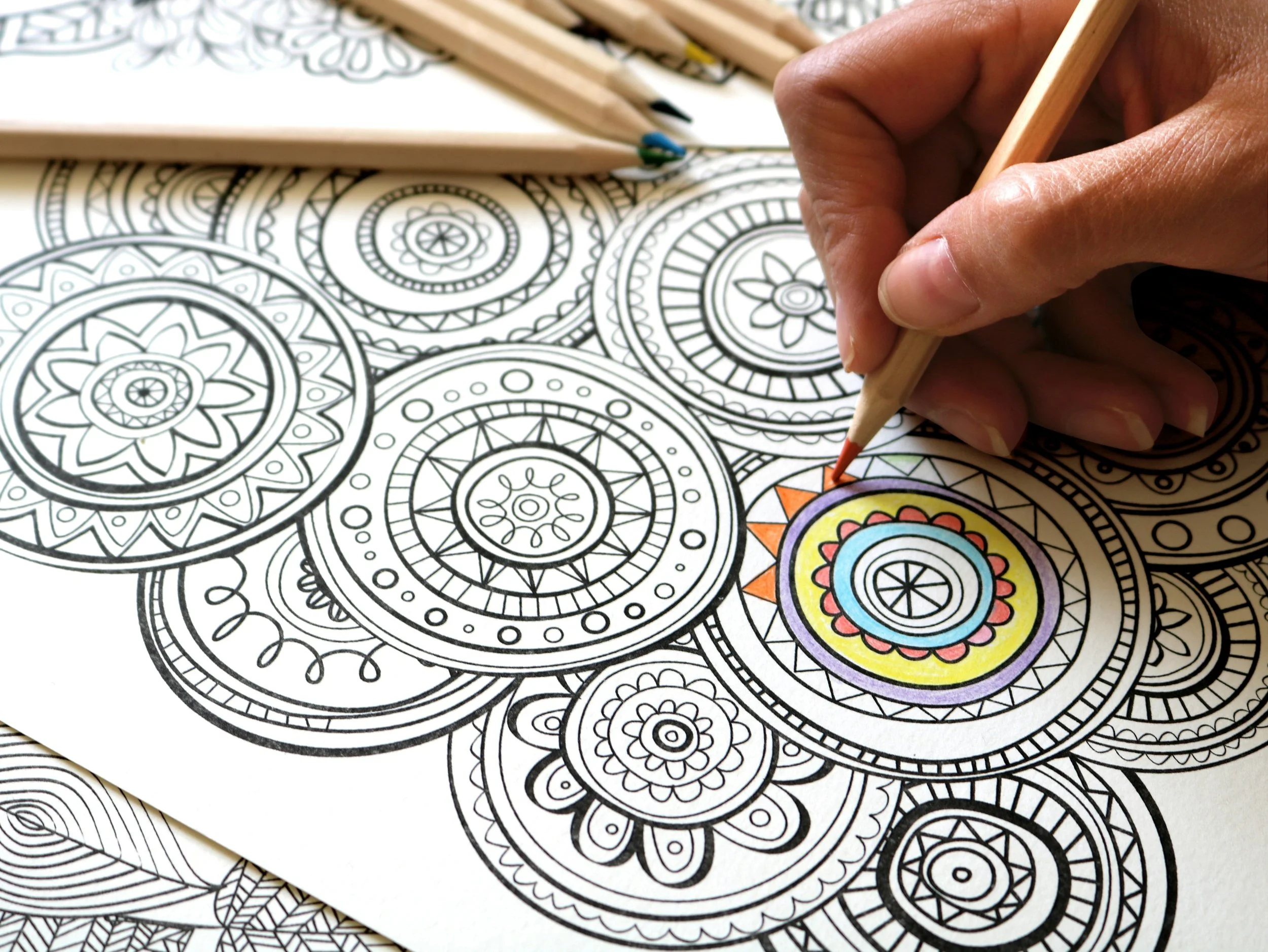
You can create coloring books for different audiences, such as:
Adult coloring books
Children's coloring books
Mandala and geometric designs
Floral and botanical coloring books
Animal and nature-themed books
Fantasy and magical illustrations
Mindfulness and relaxation coloring books
Seasonal and holiday coloring books
Educational coloring books
You can sell your coloring books in both physical and digital formats:
Printed books – Customers receive a professionally printed copy.
Digital PDF versions – Customers download and print the pages themselves.
Printable coloring bundles – Collections of individual coloring pages can be sold as digital downloads.
Popular platforms for publishing and selling coloring books include:
Amazon KDP (Kindle Direct Publishing) – One of the most popular options for self-publishing physical coloring books without holding inventory.
Etsy – Particularly useful for downloadable coloring pages and printable coloring books.
Gumroad – Good for selling digital coloring books directly to your audience.
Payhip – Another simple option for selling downloadable coloring books.
Your own website – You can sell digital editions directly and use your website to build your brand.
You can also create themed series rather than publishing just one book, for example, Botanical Coloring Book Vol. 1, Botanical Coloring Book Vol. 2, and so on.
The initial work involves creating, formatting, and publishing the book, but once it is available online, customers can continue purchasing it without you having to reproduce the artwork or manage individual orders. This makes coloring books a relatively low-maintenance way to turn your illustrations into a long-term digital or print product.
9. Start a YouTube Channel

If you love creating art, YouTube can turn your creative process into an audience, a brand, and eventually multiple income streams.
And here's the exciting part: your content doesn't disappear after you post it.
A video you create today can continue attracting viewers, and generating income, months or even years later through:
YouTube ad revenue
Affiliate links
Sponsorships
Digital product sales
Online courses
Art print sales
Memberships
Your own art products and merchandise
You don't necessarily need expensive equipment or a huge studio to get started. Your creative process itself can become the content.
You could create:
Art tutorials
Drawing and painting demonstrations
Satisfying time-lapse videos
"Paint with me" videos
Studio vlogs
Art challenges
Art supply reviews
Tips and techniques
Sketchbook tours
Behind-the-scenes videos
Room décor and artwork styling
You can also turn one piece of artwork into multiple pieces of content. For example, you could film yourself creating a painting, turn it into a YouTube video, make a short time-lapse for Instagram, create Pinterest pins from the finished artwork, and then sell the artwork as a print or digital download.
That's where YouTube becomes especially powerful: you're not just creating videos, you’re building an audience that can eventually support everything else you sell.
And unlike a one-time art sale, a well-made video can keep working for you long after you've finished creating it. Over time, your channel can become a library of evergreen content that brings in new viewers, customers, and income while you continue making art.
10. Write an Art Blog
This is one of my favorite long-term strategies, and honestly, this is the one I personally prefer.
I have a YouTube channel too, but creating videos takes a lot of time, filming, editing, adding music, creating thumbnails, and everything in between. So for now, I’ve decided to focus more on blogging and keep YouTube for later when I have more time.
The great thing about a blog is that you can create an article once and it can continue bringing visitors to your website for months or even years.
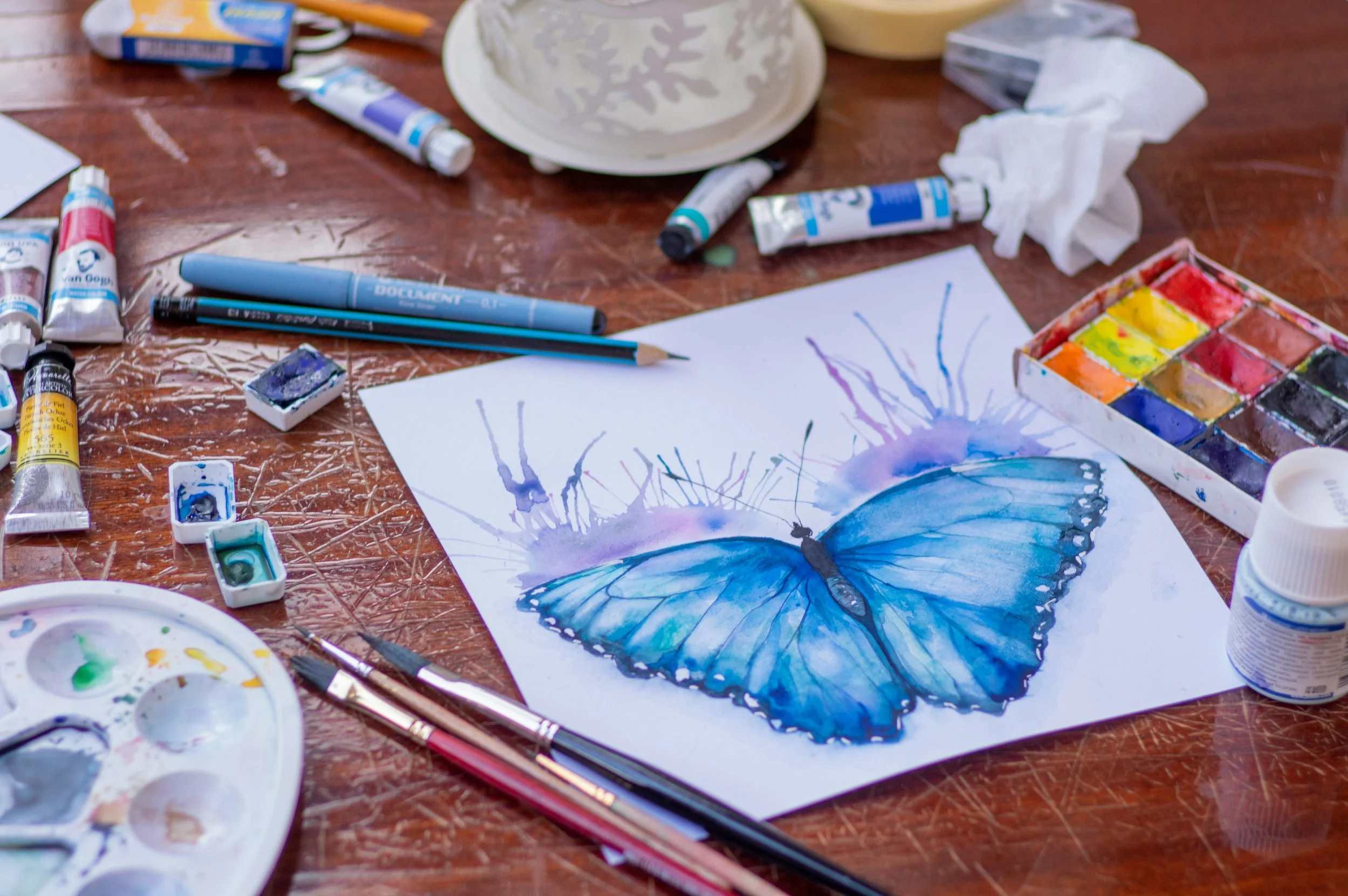
An art blog can make money through:
Display ads
Affiliate marketing
Sponsored content
Digital products
Art print sales
Online courses
Email marketing
Your own products or services
You can write about things people are already searching for, such as:
Beginner art guides
Art supply reviews
Painting tutorials
Drawing techniques
Art room and studio ideas
Home décor and styling
DIY art projects
How to choose art for your home
Creative business tips
Step-by-step art tutorials
And you don't have to be an expert writer to start. If you genuinely enjoy art and have things to share, your experience itself can become valuable content.
The best part is that, unlike social media posts that can disappear from people's feeds within a day or two, a useful blog post can continue showing up in Google and bringing new readers to your website long after you publish it.
For me, that's what makes blogging so appealing: I can create content at my own pace, without the time commitment of YouTube, while slowly building something that can keep working for me in the background.
11. Sell Stock Illustrations
If you enjoy creating illustrations, there’s another great way to make money from your artwork: selling stock illustrations.
Businesses, bloggers, publishers, website designers, marketers, and content creators are constantly looking for ready-made graphics they can use in their projects. Instead of creating something specifically for one client, you can upload your artwork to a stock marketplace and potentially earn from it every time someone downloads or licenses it.
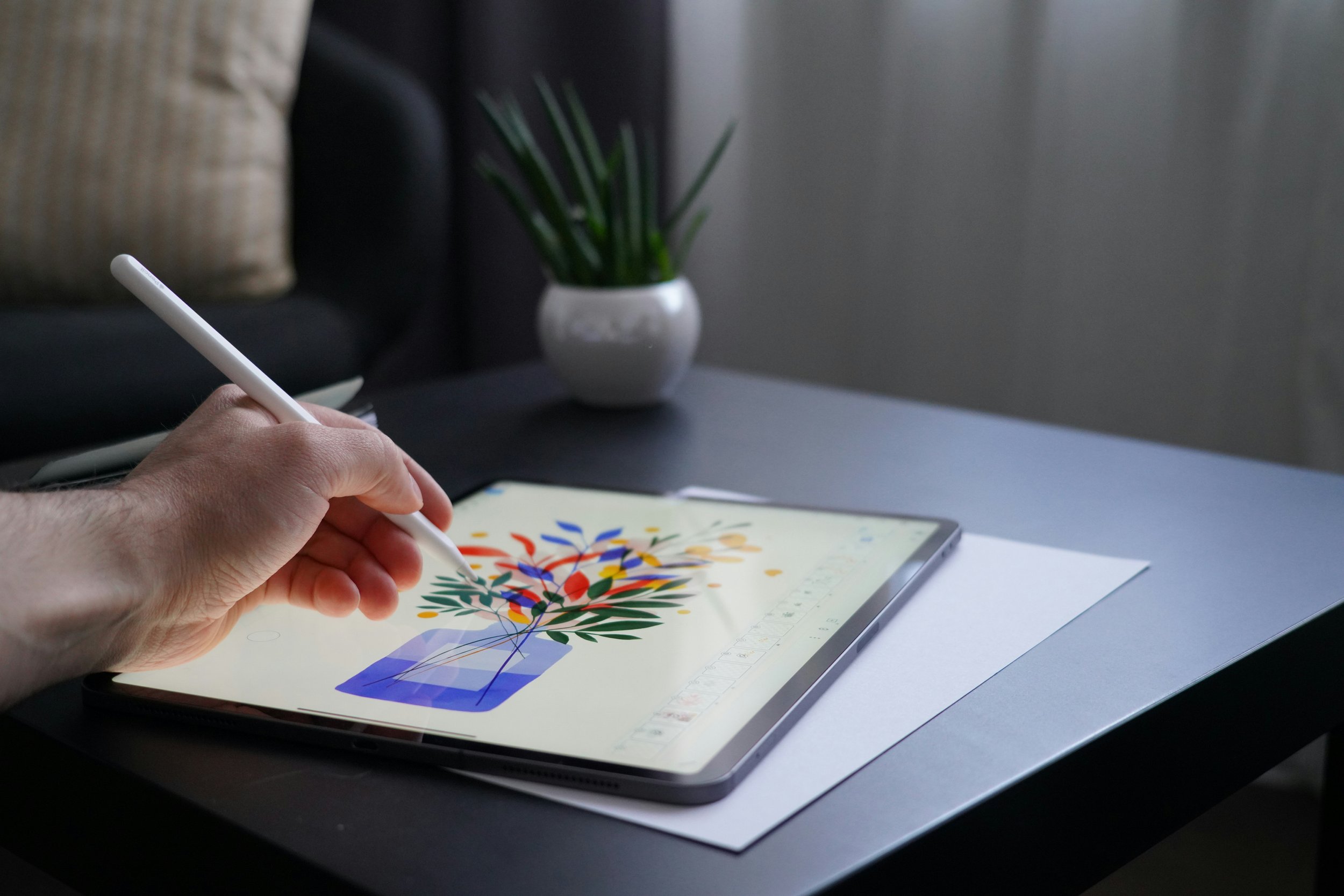
You can create and upload:
Icons
Illustrations
Backgrounds
Vectors
Textures
Patterns
Decorative elements
Infographics
Social media graphics
Business and lifestyle illustrations
Some popular platforms where artists can sell stock illustrations include:
Adobe Stock – Great for illustrations, vectors, graphics, and other creative assets.
Shutterstock – One of the largest stock-content marketplaces.
Freepik Contributor – Particularly useful for vectors, illustrations, templates, and graphic resources.
iStock / Getty Images – Another established marketplace for licensing creative content.
Creative Market – Better suited for premium illustrations, graphics, and design resources.
The exciting part is that you don't have to create something new every time you want to make a sale. You build your portfolio once, and those files can continue generating royalties over time.
For example, instead of uploading just one flower illustration, you could create a complete botanical collection with dozens of individual flowers, leaves, bouquets, and decorative elements. Each one becomes another potential source of income.
And just like with many other digital products, the larger and more useful your portfolio becomes, the more opportunities you have to generate recurring income.
12. Create Membership Content
If you already have an audience that enjoys your artwork, tutorials, or creative process, you can take things one step further by creating a monthly membership.
Instead of convincing someone to buy a new product every time, members pay you a small amount every month in exchange for exclusive content and resources.

You could offer things like:
Exclusive art tutorials
Monthly art challenges
Downloadable brushes and templates
Printable artwork
Coloring pages
Behind-the-scenes content
Sketchbook and studio updates
Early access to new artwork
Live Q&A sessions
Personal feedback or critiques
Members-only community discussions
Platforms such as Patreon, Ko-fi, Buy Me a Coffee, and YouTube Memberships can make this relatively easy to set up.
You don't necessarily need thousands of followers either. Imagine having 100 people paying $5 per month, that's $500 in recurring monthly revenue before platform fees.
The real advantage is that you're building something more valuable than a one-time sale: a community that wants to keep coming back.
Of course, membership content isn't completely passive, you need to keep giving members a reason to stay. But if you genuinely enjoy teaching, sharing your creative process, or building a community around your art, even a small but loyal audience can turn into a surprisingly steady income stream.
13. Design Fonts or Hand-Lettering Packs
If you have beautiful handwriting, enjoy calligraphy, or simply love playing around with typography, you can actually turn your lettering into a digital product.
Instead of keeping your lettering as artwork, you can turn it into a font that other people can use in their own projects.

Your fonts or lettering packs can be useful for:
Graphic designers
Small businesses
Wedding planners
Bloggers
Content creators
Marketing agencies
Stationery designers
Cricut and Silhouette users
Social media creators
DIY and craft enthusiasts
You could create different styles such as:
Handwritten fonts
Brush lettering
Calligraphy fonts
Signature-style fonts
Playful fonts
Elegant wedding fonts
Vintage typography
Decorative lettering
Hand-drawn alphabets
You can sell them on platforms such as Creative Market, Creative Fabrica, Fontspring, MyFonts, and Etsy. You can also sell directly through your own website.
And you don't have to stop at fonts. You can create hand-lettering packs containing individual words, phrases, quotes, alphabets, numbers, decorative elements, and SVG files.
The exciting part is that a font is a digital product with no inventory or shipping. Once you've created and uploaded it, the same font can be purchased by hundreds or even thousands of customers.
So if typography is something you genuinely enjoy, your handwriting itself could become a product that keeps earning long after you've created it.
14. Create Digital Stickers
If you enjoy creating cute illustrations, doodles, icons, or decorative artwork, digital stickers can be a fun and surprisingly profitable product to create.
With the popularity of digital planners and note-taking apps, people use digital stickers to decorate and personalize their digital notebooks, journals, planners, and calendars.
You can create sticker packs for:
Goodnotes
Notability
Samsung Notes
iPad planners
Digital journals
Digital scrapbooks
Other note-taking and planning apps
You can design stickers around almost any theme:
Floral and botanical
Minimalist
Art and creativity
Study and productivity
Wellness and self-care
Planning and organization
Cute and aesthetic
Christmas and holidays
Halloween
Birthdays and celebrations
Travel
Food and lifestyle
You can sell digital sticker packs on platforms such as Etsy, Creative Market, Creative Fabrica, Gumroad, and your own website.
You can also create themed bundles instead of selling individual stickers, for example, a "50 Floral Digital Planner Stickers" pack or a complete "2027 Digital Planner Sticker Bundle."
And because everything is digital, there is no printing, packaging, inventory, or shipping involved. Customers download the files immediately after purchasing.
Seasonal and occasion-based packs can be particularly interesting because you can create new collections around Christmas, Valentine's Day, weddings, birthdays, back-to-school, travel, and other events.
The best part? You create the sticker once, and it can be downloaded again and again without any additional production cost.
15. Build an Email List
This might not sound like a passive-income idea at first, but building an email list can become one of the most valuable things you do as an artist.
Think about it this way: social media followers aren't really your audience. Algorithms can change, your reach can suddenly drop, and you have very little control over who actually sees your posts.
An email list is different.
When someone gives you their email because they genuinely like your artwork, you have a direct way to stay connected with them.
You can send your subscribers:
New artwork
New art print collections
Product launches
New courses
Brushes and design resources
New printables
Special discounts
Behind-the-scenes updates
Exclusive content

You can encourage people to join your list by offering something valuable for free, for example, a free printable, mini art tutorial, phone wallpaper, coloring page, or downloadable art print.
You can build your email list using platforms such as Mailchimp, ConvertKit, Kit, MailerLite, or Beehiiv, and connect the signup form to your website or blog.
And here's where it gets really interesting: one subscriber can potentially buy from you multiple times.
Someone might first download your free printable, later purchase an art print, then buy a brush pack, and eventually enrol in your course.
So instead of constantly trying to find new customers, you're gradually building a community of people who have already shown an interest in your work.
Over time, a well-maintained email list can become one of your most reliable channels for repeat sales, and unlike social media, you have much more control over that relationship.
My Biggest Advice to New Artists
After researching successful artists and creators across different platforms, one pattern keeps appearing.
They don't rely on just one income source.
Instead, they build a small ecosystem.
For example:
One illustration can become:
A digital download
A physical print
A greeting card
A notebook cover
A phone wallpaper
A printable planner
A YouTube tutorial
A blog post
A social media pin
A course example
That's how artists maximize the value of every piece they create.
You don't need to do all of this at once. Start with one or two ideas, learn what works, and gradually expand. Small, consistent steps often lead to the most sustainable results.
Frequently Asked Questions
Can beginner artists earn passive income?
Absolutely. You don't need a huge audience or years of experience. Focus on creating useful, high-quality products, optimizing your listings, and improving over time.
How much can artists make from passive income?
It varies widely. Some artists earn enough to cover art supplies, while others build full-time businesses. Your results depend on factors like product quality, demand, marketing, and consistency.
Do I need my own website?
No. Many artists start by using online marketplaces or print-on-demand platforms. As your business grows, having your own website gives you more control over your brand and customer relationships.
Which passive income idea is best?
If you're just starting, digital art prints, printables, and print-on-demand products are often the easiest to launch because they require relatively low upfront investment and can be created from artwork you already have.
Final Thoughts
By now, you might be thinking, “This is a lot. Where am I even supposed to start?”
And honestly, it can feel overwhelming. There are so many ways to make money from art that you don't need to try all of them, or even most of them.
Start small, and start with what you genuinely enjoy.
If you love talking and feel comfortable in front of a camera, YouTube might be a better fit for you. If you don't enjoy being on camera but love writing, start a blog. If you enjoy doodling, sketching, or creating digital artwork, explore illustrations, digital prints, or stock graphics. If you love teaching, consider creating a course. And if you enjoy creating beautiful patterns, surface pattern design or art licensing could be worth exploring.
There is no single "right" path.
Start with one thing that matches your interests and skills, learn as you go, and give yourself time to see what works. Once you become comfortable with one income stream, you can always add another.
The goal isn't to turn your art into a dozen businesses overnight. It's to find one small way to start earning from something you already love creating, and build from there.
Your creativity is already an asset. You just need to find the right way to turn it into something that works for you.
