20 Small Living Room Ideas That Make a Big Impact
This post contains affiliate links, which means I may earn a small commission if you purchase a product through some of the links provided, at no additional cost to you.
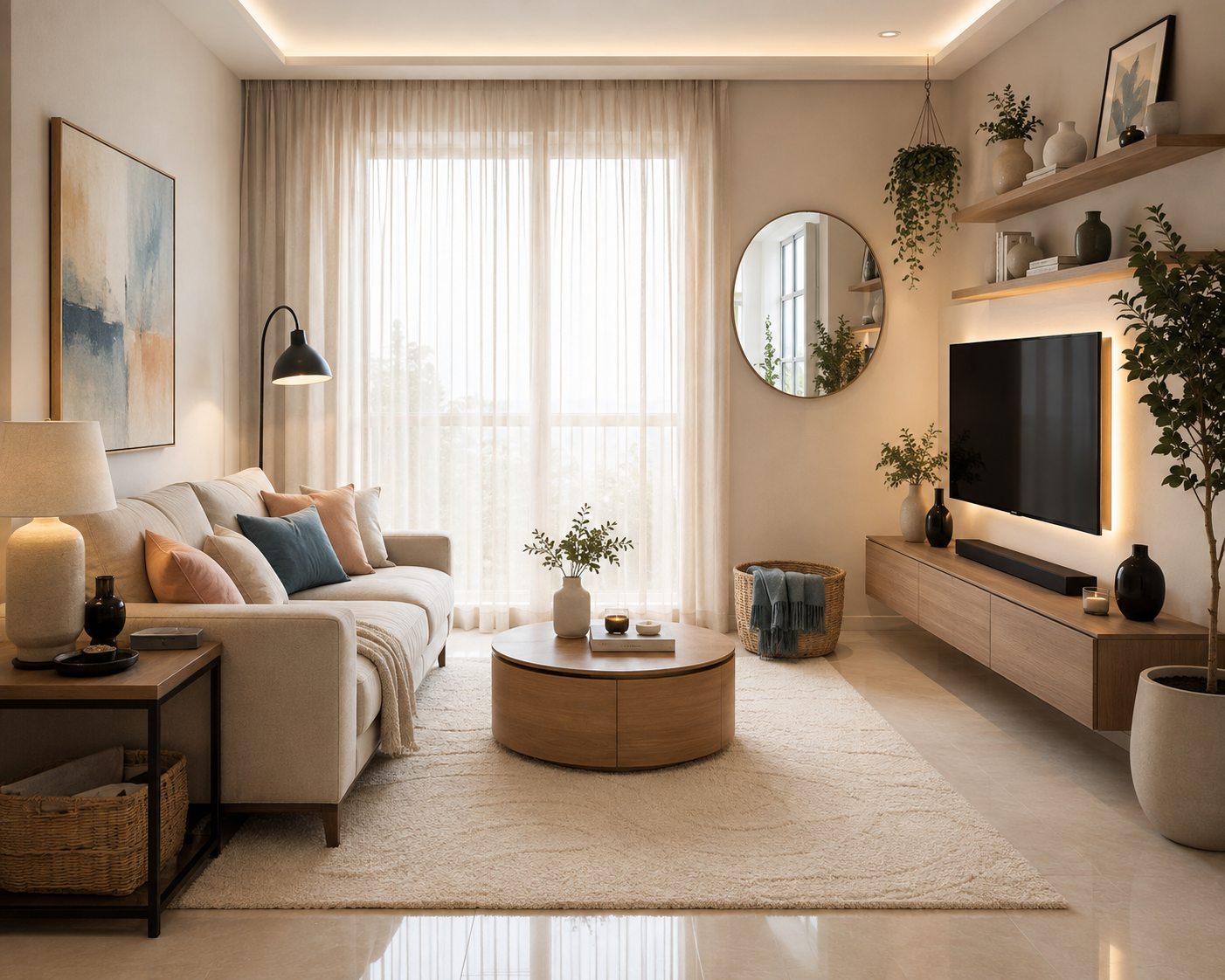
A small living room doesn't mean you have to compromise on comfort or style. In fact, some of the most beautiful homes make the smartest use of limited space. The key is choosing furniture that works harder, keeping the room visually light, and making every inch serve a purpose.
Whether you're decorating a compact apartment, a studio, or a small family home, these ideas will help you create a living room that feels open, organized, and welcoming.
1. Choose a Sofa That Does More Than Just Seating
In a small living room, your sofa is the hardest-working piece of furniture.
Instead of choosing a standard three-seater, consider a modular sectional with built-in storage or one that converts into a bed. These are especially useful if your living room occasionally doubles as a guest room or if your home simply lacks extra storage.
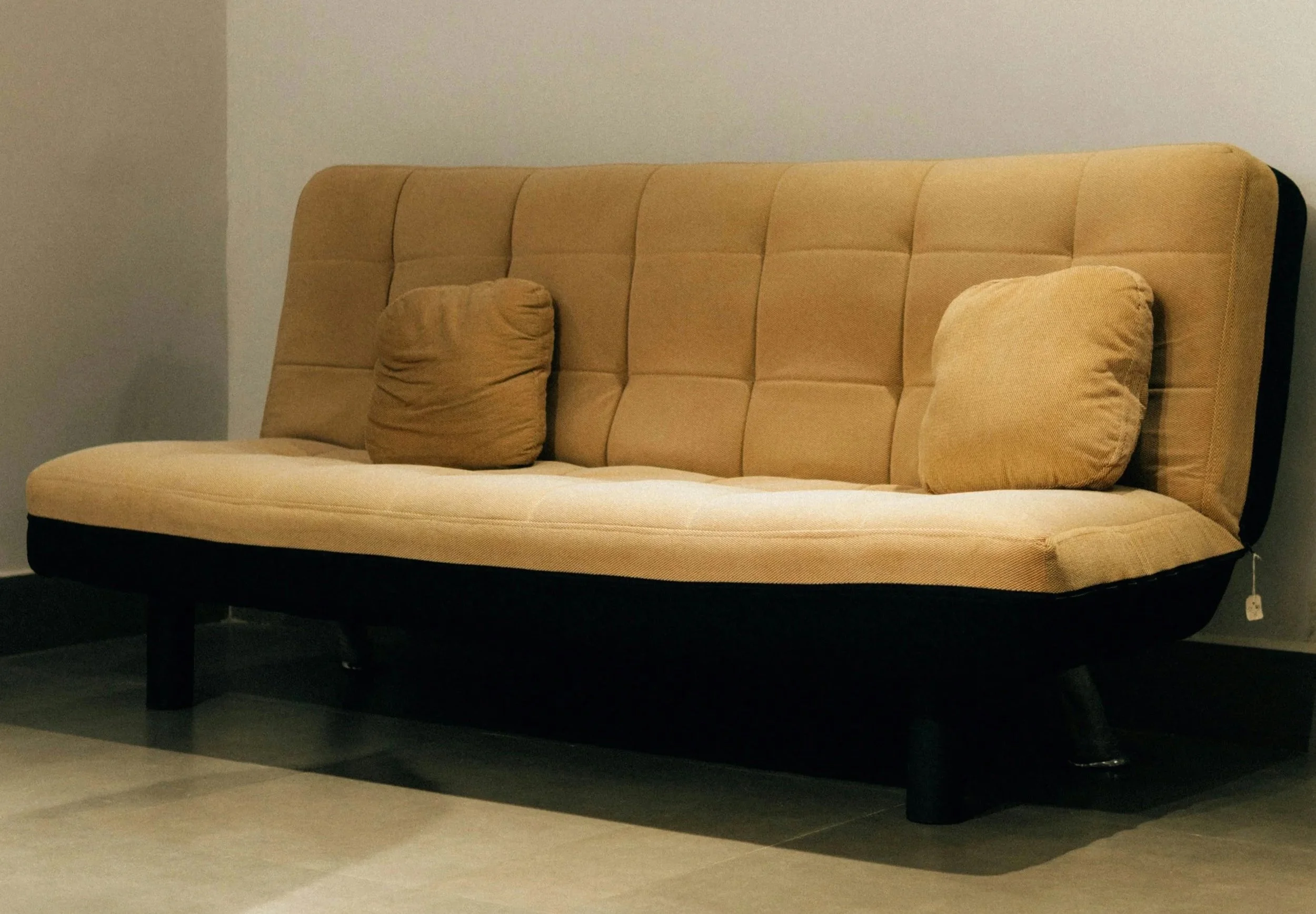
The goal isn't to buy the smallest sofa, it's to buy the smartest one. If you're looking for a practical option, this sofa offers the features mentioned above while fitting well in compact spaces.
2. Pick a Coffee Table That Earns Its Space
A bulky coffee table can quickly overwhelm a compact room.
Instead, choose a slim-profile coffee table with practical features such as:
Hidden storage for remotes and chargers
A lower shelf for books or baskets
Nesting stools tucked underneath for extra seating
Rounded corners for easier movement around the room
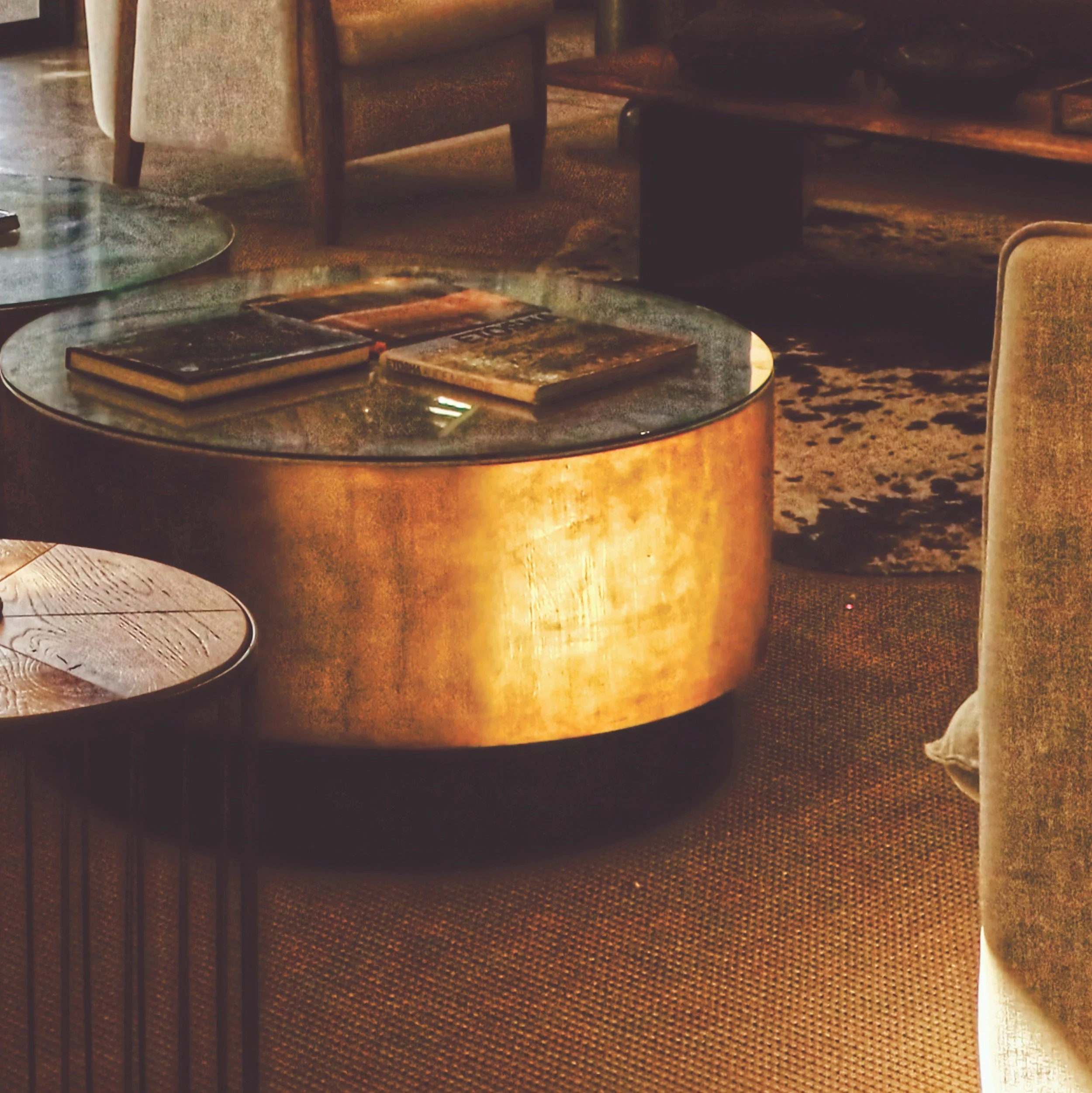
One well-designed coffee table can replace several separate pieces of furniture.
Here's a coffee table that combines smart storage with a compact design, making it a great fit for small living rooms.
3. Keep Furniture Visually Light
Furniture doesn't have to be physically small to make a room feel spacious.
Look for pieces with clean lines, slim frames, lighter upholstery, and minimal detailing. These have less visual weight than oversized, chunky furniture and allow the room to feel more open.
This principle applies to TV units, side tables, shelving, and accent chairs alike.
4. Choose Slim Accent Chairs
Extra seating is always useful, but oversized lounge chairs can dominate a small room.
Instead, opt for armless or slim-frame accent chairs that provide comfortable seating without blocking sightlines or making the room feel crowded.
If you only entertain occasionally, consider a chair that can easily move into another room when not in use.
5. Use Ottomans Instead of Extra Chairs
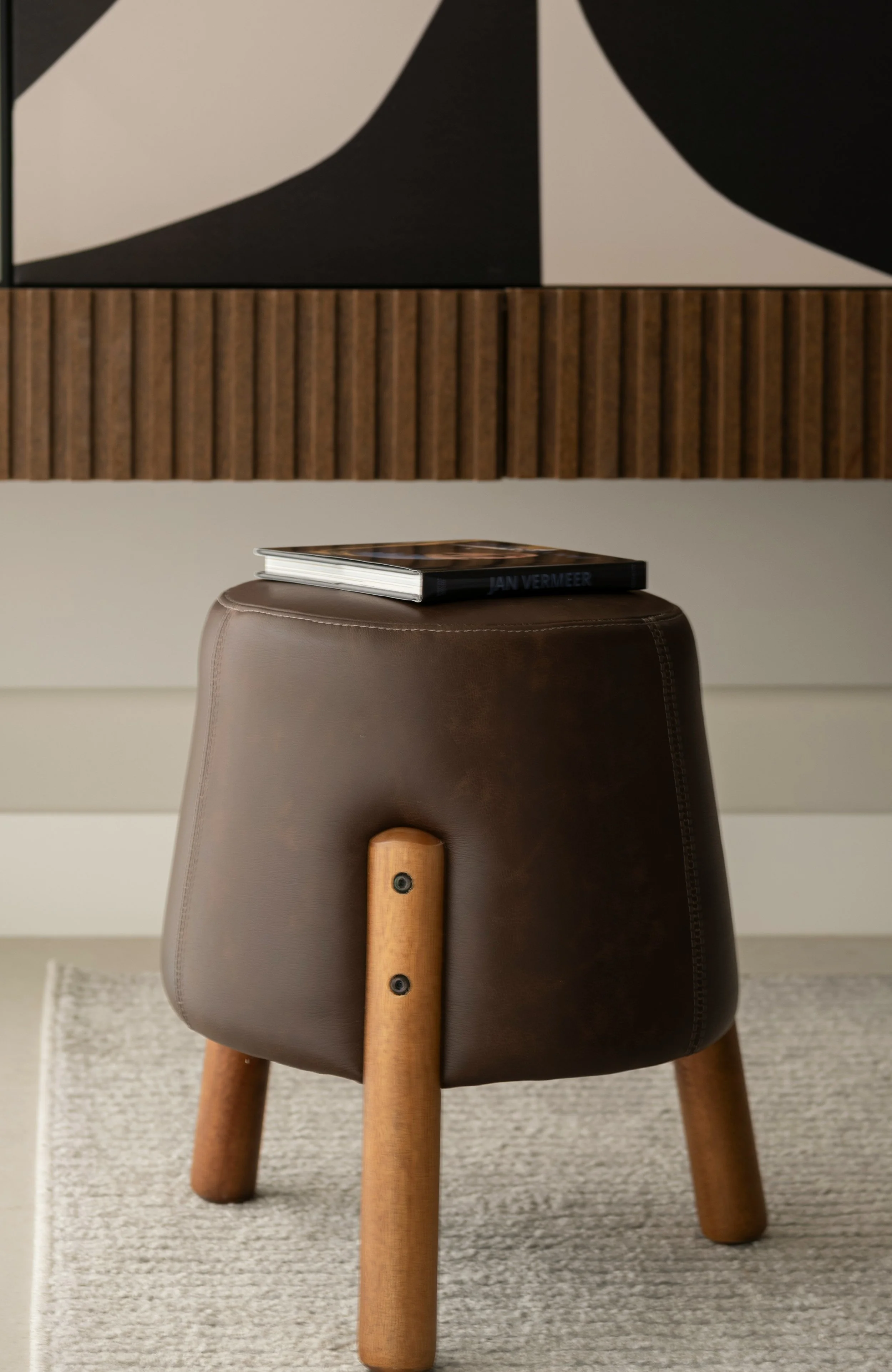
Ottomans are one of the most versatile pieces you can own.
They can function as:
Extra seating
A footrest
Hidden storage
A side table when topped with a tray
Choose upholstered ottomans that can slide neatly beneath a console table or beside the sofa when not in use.
If you're looking for a multifunctional piece, this ottoman offers a smart balance of style and everyday practicality.
6. Choose a Rug That Makes the Room Feel Bigger
Many people buy rugs that are too small, which visually chops up the room.
Instead, select a rug large enough that at least the front legs of your sofa rest on it. This helps anchor the furniture and creates a more unified layout.
Light shades such as ivory, beige, oatmeal, soft grey, or cream reflect more light and make the floor feel more expansive. Very dark rugs or heavily patterned designs can make compact rooms appear busier than they actually are.
7. Let Natural Light Be the Star
Natural light is one of the easiest ways to make a room feel larger.
Avoid placing tall cabinets or shelving units directly in front of windows. Choose sheer curtains or light linen drapes that allow sunlight to filter through while still providing privacy.
Hanging curtains closer to the ceiling rather than directly above the window also creates the illusion of greater height.
8. Layer Your Lighting
This tip applies to every type of home, and small living rooms are no exception. A single ceiling light often creates harsh shadows that make a room feel flat.
Instead, combine multiple light sources, such as:
A floor lamp beside the sofa
A table lamp on a console
LED strip lighting behind the TV
Wall sconces if surface space is limited
Layered lighting adds warmth, depth, and flexibility for different times of day.
9. Choose a Floating TV Unit
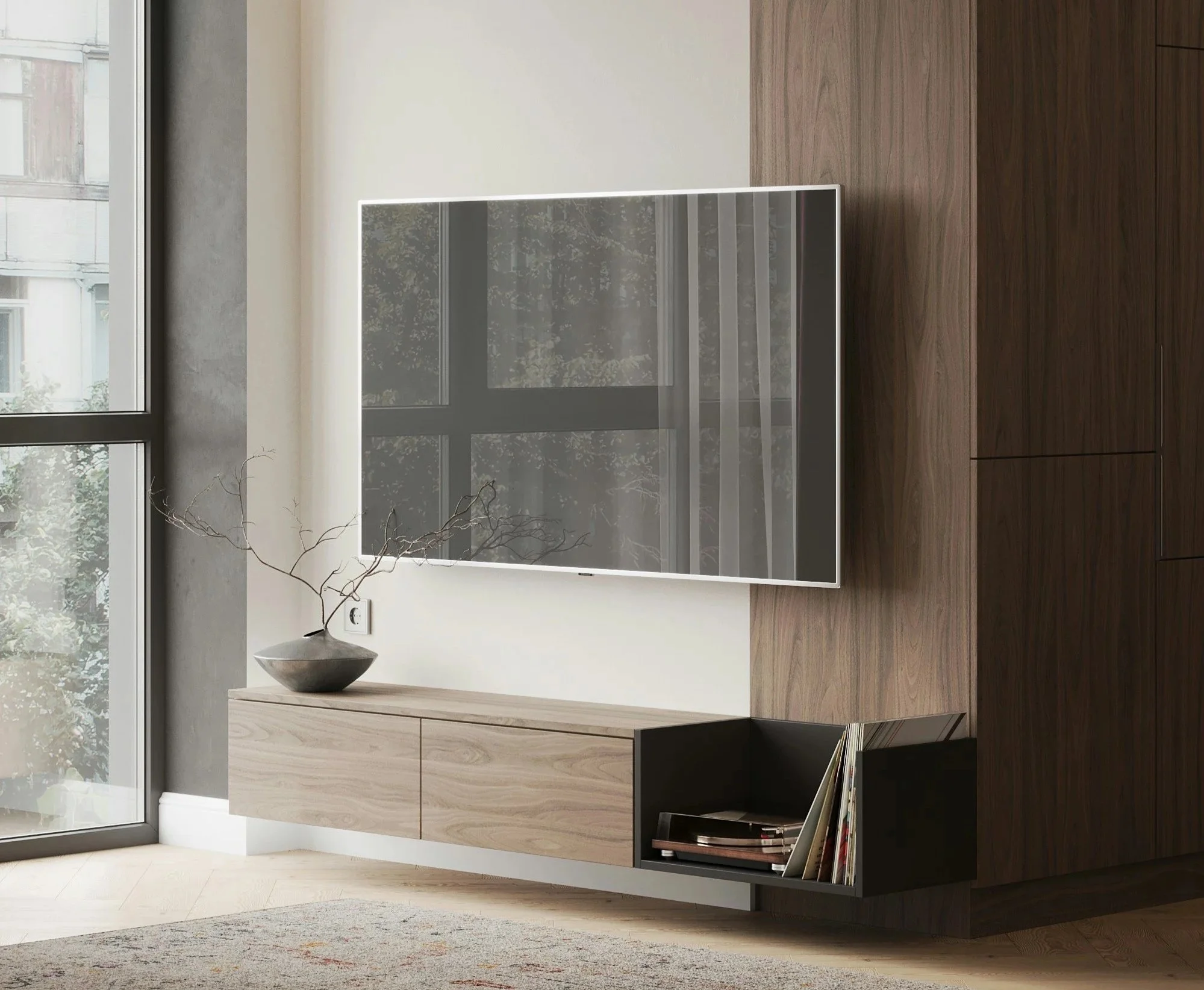
A floating TV console keeps more of the floor visible, making the room appear less crowded.
Look for a unit with closed storage to hide routers, gaming consoles, cables, and everyday clutter while maintaining a clean, streamlined appearance.
10. Hide Everyday Clutter
Even the most beautifully designed room can feel cramped if everyday items are left out.
Use decorative baskets, storage boxes, or concealed compartments to organize blankets, magazines, toys, chargers, and cables. If you are choosing coffee table with storage, that will be the best way to hide away the clutter. Closed storage generally works better than open shelving for keeping a compact living room looking calm.
11. Decorate Vertically
When floor space is limited, your walls become valuable storage.
Floating shelves, tall bookcases, and wall-mounted cabinets help keep essentials organized while leaving more walking space below.
Use the higher shelves for decorative items and the lower ones for objects you reach for regularly.
12. Add a Large Mirror Opposite a Window
A well-placed mirror can completely change how a room feels.
Position a large mirror opposite or adjacent to a window so it reflects daylight throughout the room. This creates the illusion of greater depth and helps brighten darker corners without adding more furniture. If the entryway is directly in front of the living room balcony or window, you can decorate it by placing a round mirror above the cabinet. This helps create a more cohesive look, making the entry feel intentional and well put together rather than forced.
13. Stick to a Calm Colour Palette
Too many contrasting colours can make a small space feel visually busy.
Choose two or three complementary shades for your larger furniture pieces, then introduce personality through cushions, throws, artwork, and ceramics. I like adding a little contrast to the decor because it helps create a more cohesive and visually interesting space instead of making it look bland. Start by selecting the base furniture pieces, such as the sofa, rug, and coffee table, and then layer in decor elements like a floor lamp, artwork beside the sofa, and coffee table accessories to introduce contrast and character.
The idea is to create visual balance by repeating colours throughout the room rather than adding a single colour that feels out of place. For example, if your TV is black, consider adding another black element somewhere else in the room, such as a black metal floor lamp, so it feels intentional rather than random.
Similarly, if your wall lamps have gold accents, you can add a gold decorative piece on the coffee table to tie the elements together. If your rug has blue and peach tones, you can bring those colours into the artwork beside the sofa or other decor pieces. These small colour connections help the entire room feel thoughtfully designed and cohesive. Keeping the larger elements cohesive creates a more spacious look.
14. Use Round Tables Where Space Is Tight
Sharp corners can interrupt movement in compact layouts.
Round coffee tables and side tables allow for smoother circulation, especially in narrow living rooms or homes with children. They also soften the overall appearance of a room filled with rectangular furniture.
15. Keep Décor Intentional
Resist the urge to decorate every available surface.
Instead of displaying dozens of small decorative objects, choose a few larger statement pieces such as a ceramic vase, a textured lamp, or a framed artwork. This creates impact without visual clutter.
16. Add Height With Curtains
Curtains can dramatically influence how spacious a room feels.
Mount the curtain rod 15–20 cm above the window frame and let the curtains reach the floor. This simple trick draws the eye upward and makes ceilings appear taller than they actually are. You can also consider going for floor-to-ceiling curtains. I have installed them in my own home, and they make a huge difference to the overall look and feel of the space. They create an illusion of height, making the room appear more spacious and giving it a much more luxurious and expensive feel.
Although, they can be a little more expensive if you are completely replacing traditional curtain rods with ceiling-mounted rails.
17. Introduce Greenery Without Losing Floor Space
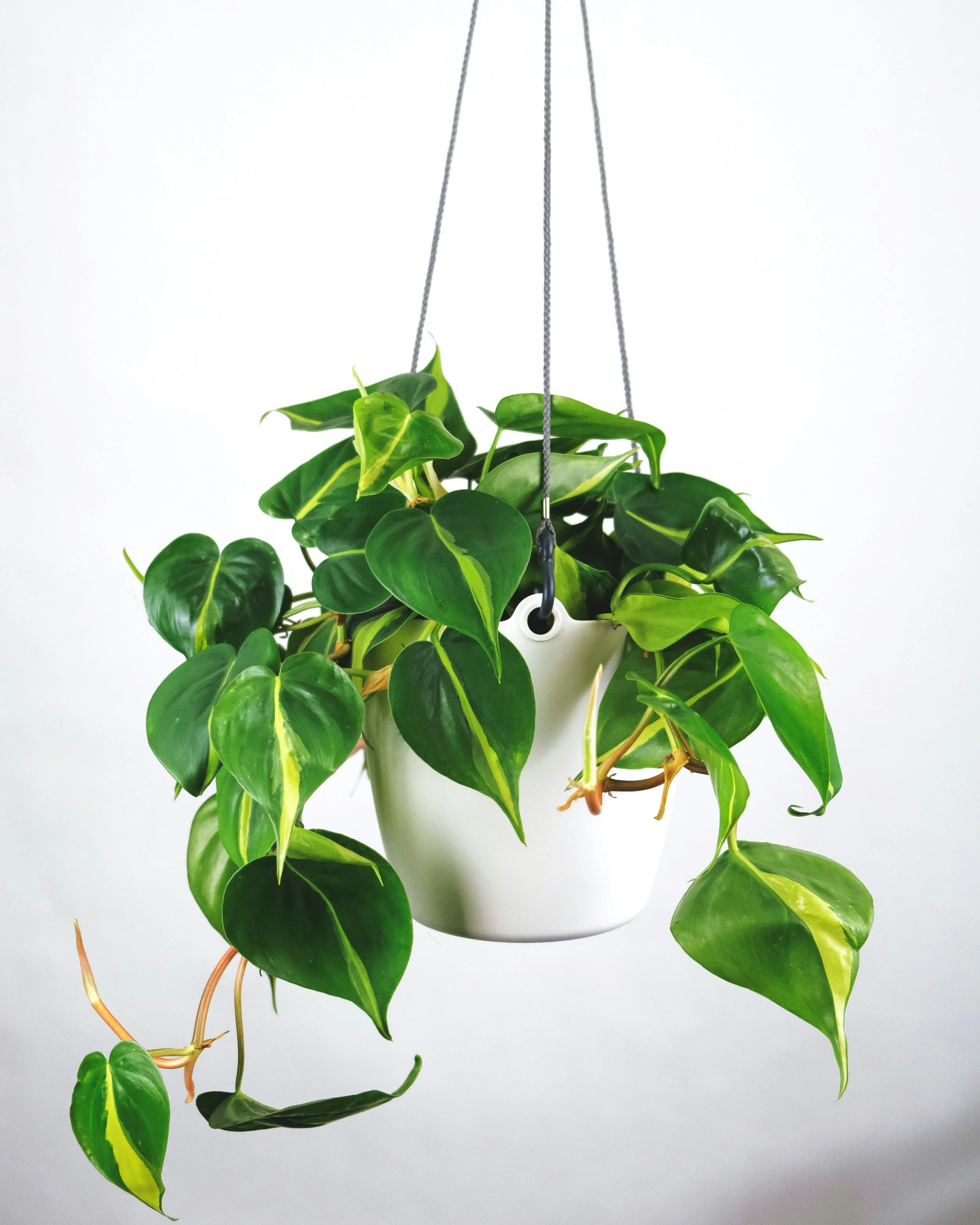
Plants instantly make a room feel more inviting, but several pots on the floor can crowd a small layout.
Instead, use:
Hanging planters
Wall-mounted planters
Floating shelves
One tall indoor plant placed in an unused corner
A single large plant often has more impact than multiple smaller ones.
18. Make Your Storage Look Like Furniture
Storage doesn't have to look utilitarian.
Choose sideboards, storage benches, or console tables that blend seamlessly with the rest of your décor. This allows you to store everyday essentials while maintaining a polished, cohesive aesthetic.
19. Create One Strong Focal Point
Every living room benefits from a focal point, whether it's a fireplace, TV wall, large artwork, or statement mirror.
Avoid competing focal points, as too many attention-grabbing elements can make a small room feel chaotic. Let one feature lead the design and keep the surrounding décor simple.
20. Leave Some Space Empty
One of the biggest mistakes people make is trying to fill every corner.
Empty space is just as important as furniture. Leaving breathing room around seating, avoiding oversized décor, and keeping walkways clear helps a small living room feel larger and more relaxing.
Remember, a thoughtfully edited room almost always feels bigger than one filled with too many pieces.
Final Thoughts
Designing a small living room isn't about squeezing in more furniture, it's about making smarter choices. Prioritize pieces that serve multiple purposes, keep the layout visually light, and invest in storage that blends seamlessly with your décor. Thoughtful details like layered lighting, well-proportioned rugs, and multifunctional furniture can transform even the smallest living room into a space that feels comfortable, stylish, and surprisingly spacious.
The best small living rooms aren't necessarily the biggest, they're the ones where every piece has a purpose.
